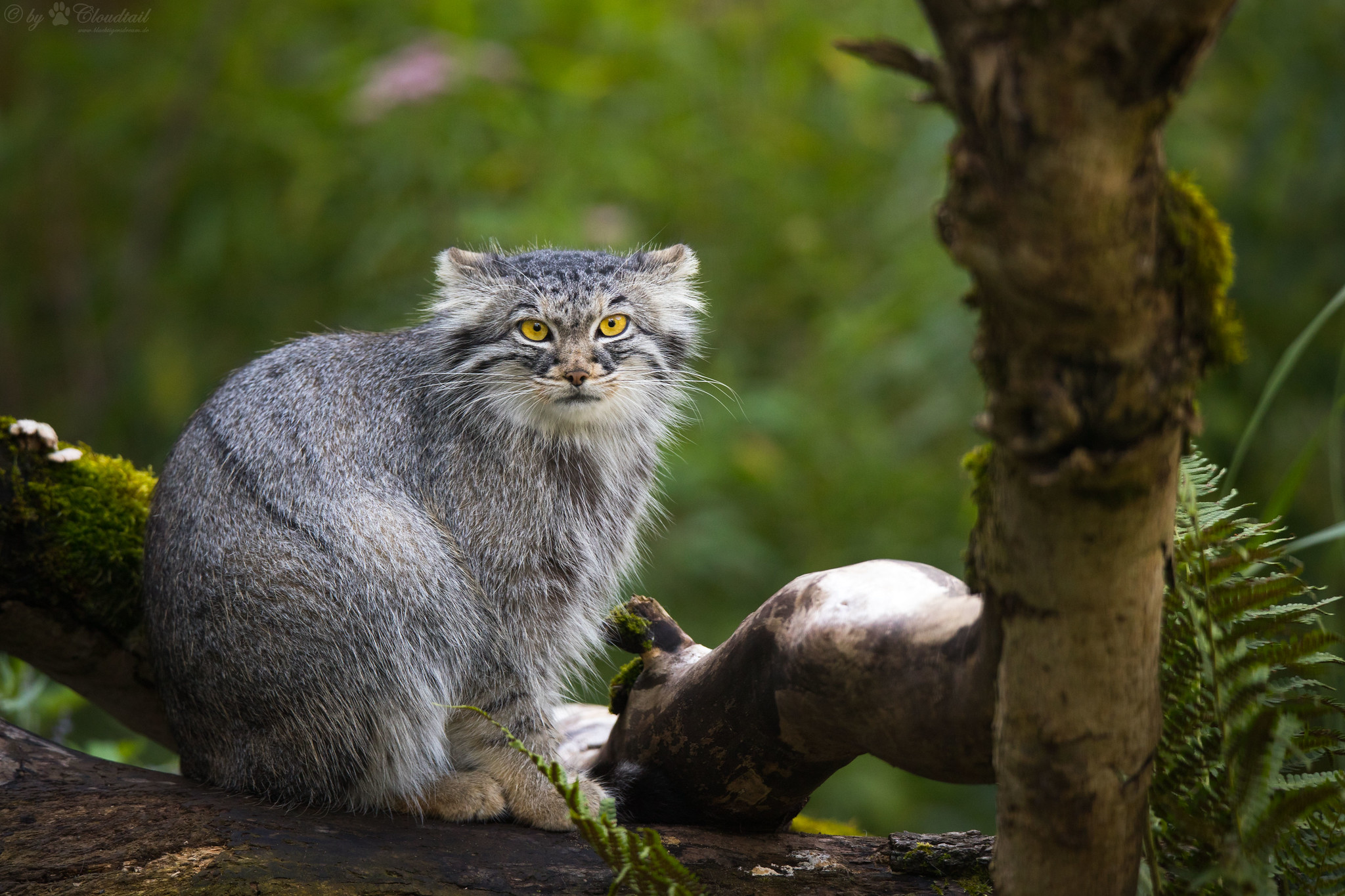
The Untamed Feline

The Untamed Feline

Posted on

The Enigmatic Wild cats: A Deep Dive into the World of Feline Predators

Wild cats, a diverse and captivating group of felines, roam the planet’s most challenging and beautiful landscapes. From the snow-capped peaks of the Himalayas to the dense rainforests of the Amazon, these apex predators play crucial roles in maintaining ecological balance. This exploration delves into the fascinating world of wild cats, examining their diverse species, adaptations, behaviors, and the challenges they face in a rapidly changing world.

The Taxonomy and Diversity of Wild Cats

The family Felidae, encompassing all cats, is broadly divided into two subfamilies: Pantherinae (big cats) and Felinae (small cats). This classification, while useful, is not always strictly based on size, as some “small cats” can be quite large.

Pantherinae: The Roaring Giants

The Tiger (Panthera tigris): The largest cat species, tigers are renowned for their power and distinctive striped coats. Found in diverse habitats across Asia, from Siberian forests to Sumatran rainforests, their populations have drastically declined due to habitat loss and poaching.

  • The Lion (Panthera leo): Known as the “king of the jungle” (despite primarily inhabiting savannas), lions are social cats, living in prides. Their iconic manes and powerful roars make them symbols of strength and majesty.
  • The Jaguar (Panthera onca): The largest cat in the Americas, jaguars are powerful predators adapted to a variety of habitats, including rainforests, swamps, and grasslands. Their spotted coats and powerful jaws allow them to take down large prey.
  • The Leopard (Panthera pardus): Highly adaptable, leopards are found across Africa and Asia, inhabiting a wide range of environments. Their elusive nature and spotted coats make them masters of camouflage.
  • The Snow Leopard (Panthera uncia): Adapted to high-altitude environments, snow leopards are found in the mountains of Central Asia. Their thick, smoky-gray fur and powerful build allow them to thrive in harsh conditions.

  • Felinae: The Diverse Smaller Cats

    The Untamed Feline
    European wildcat – Wikipedia

    The Cheetah (Acinonyx jubatus): The fastest land animal, cheetahs are built for speed, with slender bodies and long legs. They are found in open grasslands and savannas of Africa and a small population in Iran.

  • The Puma (Puma concolor): Also known as the cougar or mountain lion, pumas are found throughout the Americas, from Canada to the Andes. They are highly adaptable and can survive in a variety of habitats.
  • The Lynx (Lynx lynx, Lynx canadensis, Lynx pardinus, Lynx rufus): Lynx species are characterized by their tufted ears, short tails, and large paws. They are adapted to cold climates and are found in North America, Europe, and Asia.
  • The Ocelot (Leopardus pardalis): Found in Central and South America, ocelots are nocturnal predators with beautiful spotted coats. They inhabit a variety of habitats, including rainforests and savannas.
  • The Caracal (Caracal caracal): Found in Africa and Asia, caracals are known for their distinctive black ear tufts. They are adaptable predators that can survive in a variety of habitats, including deserts and savannas.
  • The Serval (Leptailurus serval): Found in Africa, servals are characterized by their long legs and large ears. They are adapted to hunting in grasslands and savannas.
  • The Wildcat (Felis silvestris): The ancestor of domestic cats, wildcats are found in Europe, Asia, and Africa. They are adaptable predators that can survive in a variety of habitats.
  • The Fishing Cat (Prionailurus viverrinus): Adapted to wetland environments, fishing cats are found in South and Southeast Asia. They are skilled swimmers and hunters, catching fish, frogs, and crustaceans.
  • The Sand Cat (Felis margarita): Adapted to desert environments, sand cats are found in North Africa and the Middle East. They are characterized by their wide paws, which help them to move easily on sand.
  • The Asian Golden Cat (Catopuma temminckii): Found in Southeast Asia, Asian golden cats are elusive predators that inhabit forests and woodlands.
  • The Marbled Cat (Pardofelis marmorata): Found in Southeast Asia, marbled cats are small, arboreal predators that inhabit rainforests.

  • Adaptations for Survival

    Wild cats have evolved a remarkable array of adaptations that allow them to thrive in diverse environments.

    Physical Adaptations

    Camouflage: Spotted, striped, or solid coats provide excellent camouflage, allowing cats to blend into their surroundings and ambush prey.

  • Powerful Muscles: Strong muscles allow cats to run, jump, and climb with agility and power.
  • Retractable Claws: Sharp, retractable claws are used for grasping prey and climbing trees.
  • Exceptional Vision: Cats have excellent night vision, allowing them to hunt in low-light conditions.
  • Acute Hearing: Sensitive hearing allows cats to detect the slightest sounds of prey.
  • Specialized Teeth: Sharp, pointed teeth are used for tearing and slicing meat.

  • Behavioral Adaptations

    Solitary Hunting: Many wild cats are solitary hunters, relying on stealth and ambush to capture prey.

  • Territoriality: Cats often establish and defend territories to ensure access to resources.
  • Communication: Cats communicate through vocalizations, body language, and scent marking.
  • Nocturnal Activity: Many cats are nocturnal, hunting primarily at night.

  • Ecological Roles

    image.title
    Cool Wild Cats You Probably Don’t Know

    Wild cats play crucial roles in maintaining ecological balance.

    Apex Predators

    As apex predators, wild cats regulate prey populations, preventing overgrazing and maintaining biodiversity.

    Ecosystem Engineers

    By controlling prey populations, wild cats indirectly influence plant communities and other aspects of the ecosystem.

    Challenges and Conservation

    Wild cats face numerous challenges, including habitat loss, poaching, and human-wildlife conflict.

    Habitat Loss

    Deforestation, agriculture, and urbanization are destroying and fragmenting wild cat habitats.

    Poaching

    Wild cats are poached for their fur, bones, and other body parts, which are sold in the illegal wildlife trade.

    Human-Wildlife Conflict

    As human populations expand, conflicts between humans and wild cats increase, often resulting in the killing of cats.

    Conservation Efforts

    Conservation efforts are crucial to protect wild cats and their habitats.

    Habitat Protection

    Establishing and managing protected areas is essential for conserving wild cat populations.

    Anti-Poaching Measures

    Strengthening law enforcement and implementing anti-poaching measures are crucial to combat the illegal wildlife trade.

    Community Engagement

    Engaging local communities in conservation efforts is essential for long-term success.

    Research and Monitoring

    Conducting research and monitoring wild cat populations is essential for understanding their ecology and developing effective conservation strategies.

    The Future of Wild Cats

    The future of wild cats depends on our ability to address the challenges they face. By protecting their habitats, combating poaching, and promoting coexistence, we can ensure that these magnificent creatures continue to roam the wild for generations to come. The beauty and ecological importance of these animals should be a strong motivator for all of us to ensure their survival.

    Leave a Reply

    Your email address will not be published. Required fields are marked *