“`html
The Enigmatic Long-Tailed Feline: A Deep Dive
The Enigmatic Long-Tailed Feline: A Deep Dive
The world of felids, the cat family, is a tapestry woven with threads of diverse forms, behaviors, and ecological roles. Among the most captivating of these variations is the prevalence of the long tail. This seemingly simple appendage plays a crucial role in the lives of numerous feline species, from the familiar domestic cat to the elusive wild inhabitants of remote forests and savannas. This article delves into the fascinating world of long-tailed felines, exploring their evolution, anatomy, behavior, and ecological significance.
Evolutionary Origins of the Long Tail
The long tail, a hallmark of many feline species, is not a mere decorative feature. Its origins trace back to the earliest feliforms, the ancestral carnivores that gave rise to modern cats. These early creatures, often arboreal or semi-arboreal, relied on their long tails for balance and agility. As felids diversified and adapted to various habitats, the long tail continued to serve as a vital tool for survival.
Arboreal Adaptations

For species inhabiting forested environments, the long tail acts as a counterweight, allowing for precise movements and stability while climbing and leaping among branches. This is particularly evident in arboreal species like the margay and the clouded leopard, where the tail’s length and flexibility are essential for navigating the complex canopy.
Terrestrial Adaptations
Even in terrestrial species, the long tail plays a significant role. In open habitats, such as savannas and grasslands, the tail aids in balance during high-speed chases, allowing for sharp turns and rapid changes in direction. This is evident in the cheetah, where the long tail acts as a rudder, stabilizing the body during its incredible sprints.
Anatomy and Function of the Long Tail
The long tail of a feline is a complex structure, composed of numerous vertebrae, muscles, tendons, and nerves. This intricate design allows for a wide range of movements and functions, contributing to the overall agility and adaptability of the animal.
Vertebral Structure
The tail’s vertebral column, an extension of the spine, consists of a series of caudal vertebrae. The number of these vertebrae varies among species, directly influencing the tail’s length. The muscles and ligaments attached to these vertebrae allow for precise control over the tail’s movements.
Musculature and Movement
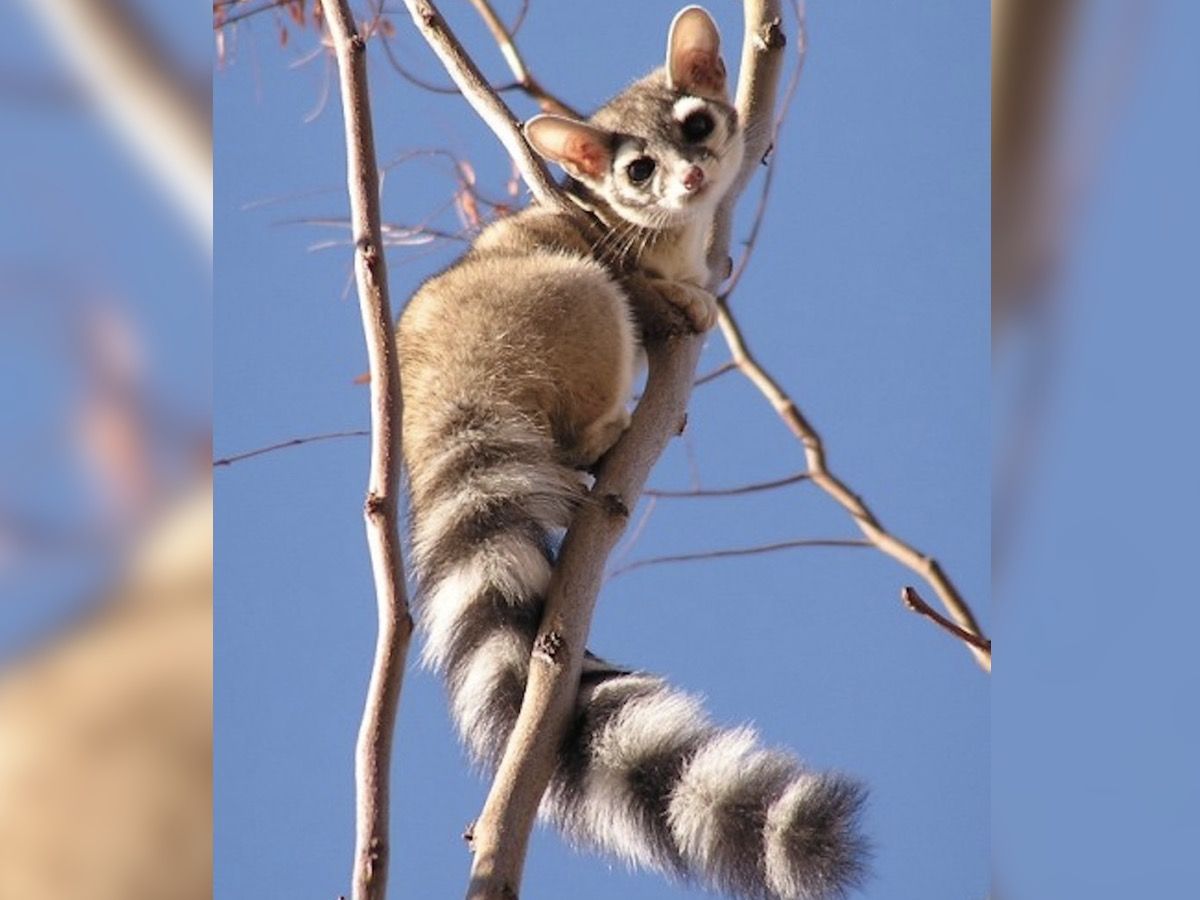
The tail’s musculature is highly developed, enabling a wide range of movements, including raising, lowering, swishing, and curling. These movements are crucial for balance, communication, and even hunting. The tail’s flexibility allows for fine adjustments, ensuring stability and control in various situations.
Sensory Function
In some species, the tail also serves a sensory function. The presence of tactile hairs on the tail’s surface allows for the detection of subtle changes in air currents and contact with objects. This sensory input can be particularly important for navigating in low-light conditions or dense vegetation.
Behavioral Significance of the Long Tail
Beyond its physical functions, the long tail plays a crucial role in feline behavior, particularly in communication and social interactions.
Communication
The tail is a powerful tool for visual communication. Its position and movements convey a range of emotions and intentions, from friendliness and playfulness to aggression and fear. A raised tail often indicates confidence or excitement, while a tucked tail signals fear or submission. Swishing or twitching the tail can indicate agitation or focus.
Social Interactions
In social species, the tail plays a vital role in maintaining group cohesion and hierarchy. Tail movements can signal dominance or submission, helping to establish and maintain social order. In domestic cats, tail movements are a primary means of communication with humans and other animals.
Hunting and Predation
During hunting, the tail contributes to balance and stability, allowing for precise movements and rapid changes in direction. In some species, the tail may also be used to distract or confuse prey. For example, the ocelot may twitch its tail to attract the attention of small mammals or birds, making them easier to catch.
Ecological Roles of Long-Tailed Felines
Long-tailed felines play diverse ecological roles, contributing to the balance and health of their respective ecosystems.
Predator-Prey Dynamics
As predators, long-tailed felines help regulate populations of prey species, preventing overgrazing and maintaining biodiversity. Their hunting activities contribute to the flow of energy and nutrients through the ecosystem.
Seed Dispersal
Some long-tailed felines, particularly those inhabiting forested environments, play a role in seed dispersal. By consuming fruits and berries, they help distribute seeds throughout their territories, contributing to the regeneration and diversity of plant life.
Ecosystem Engineers
In some ecosystems, long-tailed felines can act as ecosystem engineers. Their activities, such as digging dens or creating trails, can alter the physical environment, creating habitats for other species. For example, the bobcat’s den sites can provide shelter for smaller mammals and reptiles.
Examples of Long-Tailed Feline Species
The diversity of long-tailed felines is vast, encompassing a wide range of species with unique adaptations and behaviors.
Domestic Cat (Felis catus)
The familiar domestic cat, descended from the African wildcat, is a prime example of a long-tailed feline. Its tail plays a crucial role in balance, communication, and social interactions.
Margay (Leopardus wiedii)
The margay, a small arboreal cat found in Central and South America, possesses an exceptionally long tail, accounting for a significant portion of its body length. This adaptation allows for remarkable agility in the forest canopy.
Clouded Leopard (Neofelis nebulosa)
The clouded leopard, inhabiting the forests of Southeast Asia, is another arboreal specialist with a long, bushy tail. This adaptation aids in balance and stability while climbing and leaping among trees.
Cheetah (Acinonyx jubatus)
The cheetah, the fastest land animal, possesses a long, slender tail that acts as a rudder during high-speed chases. This adaptation allows for rapid changes in direction and stability at incredible speeds.
Bobcat (Lynx rufus)
The bobcat, found throughout North America, is a versatile predator with a relatively short but distinctively marked tail. This tail, though shorter than those of other long-tailed felines, still plays a role in balance and communication.
Conservation Challenges
Despite their ecological importance, many long-tailed feline species face significant conservation challenges. Habitat loss, fragmentation, and human-wildlife conflict are among the primary threats. Conservation efforts, including habitat protection, anti-poaching measures, and community engagement, are essential for ensuring the survival of these magnificent animals.
Conclusion
The long tail, a seemingly simple appendage, is a testament to the evolutionary ingenuity of felines. Its diverse functions, from balance and communication to hunting and social interactions, highlight its importance in the lives of these remarkable animals. By understanding and appreciating the ecological roles of long-tailed felines, we can contribute to their conservation and ensure their continued presence in the world’s ecosystems.
“`