“`html
The Enigmatic Feline: A Comprehensive Look at the cat
The Enigmatic Feline: A Comprehensive Look at the Cat
Cats, those sleek and mysterious creatures, have captivated human hearts for millennia. From ancient Egyptian deities to modern internet sensations, their presence in our lives is undeniable. This article delves into the multifaceted world of cats, exploring their history, behavior, breeds, and the unique bond they share with humans.
A Journey Through Time: The Cat’s History
The story of the domestic cat begins thousands of years ago, with the wildcat, Felis silvestris lybica. Archaeological evidence suggests that the domestication process started in the Fertile Crescent, where early agricultural societies attracted wildcats drawn by the abundance of rodents. These opportunistic felines gradually formed a symbiotic relationship with humans, who appreciated their pest-control abilities.

Ancient Egypt held cats in particularly high esteem. They were associated with the goddess Bastet, depicted with the head of a cat or lioness, and were considered sacred animals. Mummified cats have been discovered in Egyptian tombs, highlighting their revered status. From Egypt, cats spread to other parts of the world, carried by traders and travelers, eventually becoming integral members of households across continents.
Understanding Feline Behavior: A World of Nuances
Cats are known for their independent and often enigmatic behavior. Understanding their communication and social cues is crucial for building a harmonious relationship.
Communication: Vocalizations and Body Language
Cats communicate through a variety of vocalizations, including meows, purrs, hisses, and growls. Meows can express a range of emotions, from greetings to demands for food. Purring, often associated with contentment, can also indicate stress or pain. Hisses and growls are clear signs of aggression or fear.
Body language is equally important. A cat’s tail, ears, and posture can reveal their mood. A raised tail typically signifies happiness or greeting, while a tucked tail indicates fear or submission. Flattened ears suggest aggression or anxiety. Rubbing against objects or people is a way for cats to mark their territory and show affection.
Social Behavior: Territoriality and Hierarchy
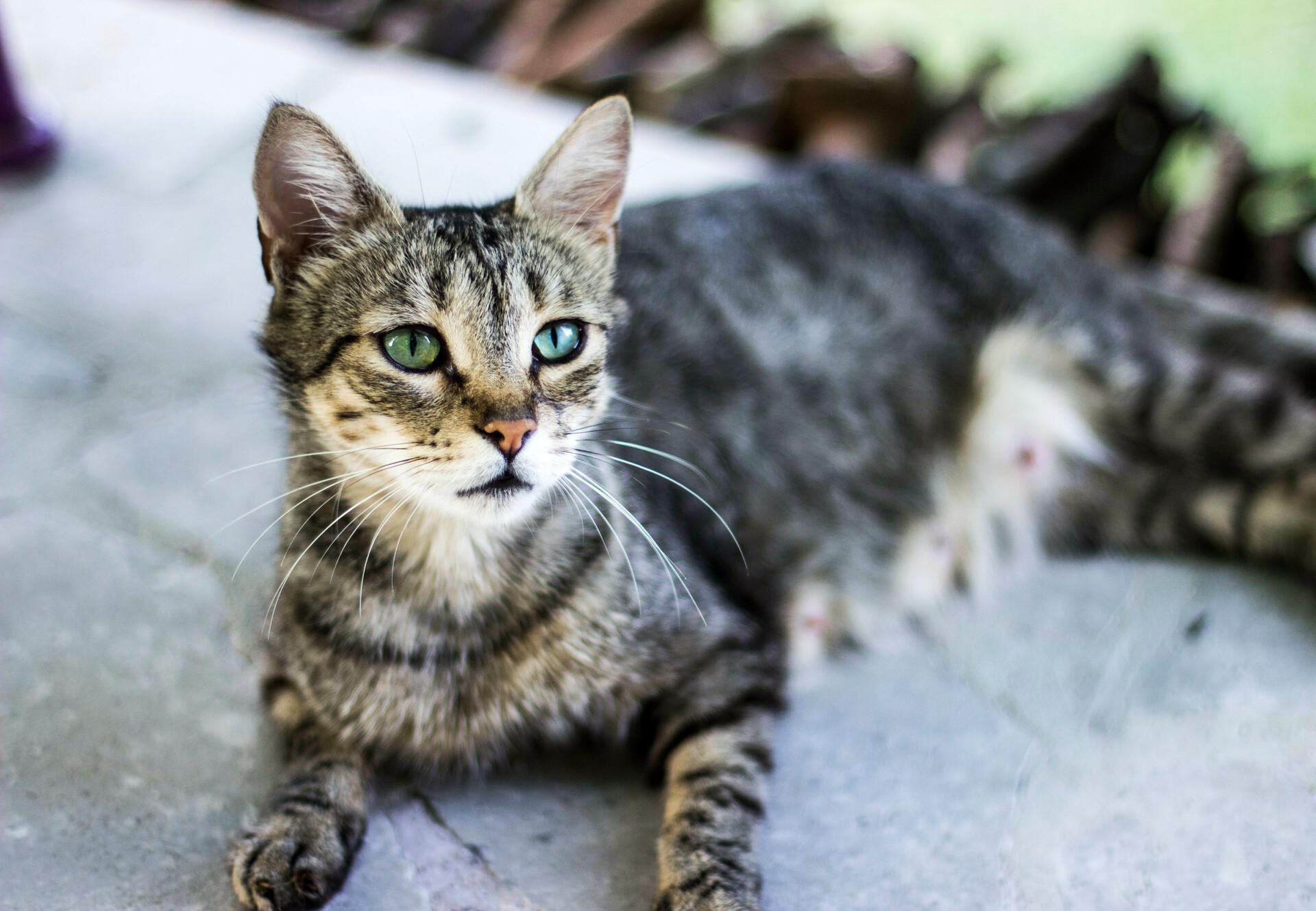
Cats are naturally territorial animals. They establish and defend their territory through scent marking, scratching, and visual displays. In multi-cat households, a social hierarchy may emerge, with dominant cats asserting their control over resources and space.
While often perceived as solitary creatures, cats can form strong bonds with other cats and with humans. They engage in social grooming, play, and mutual affection. However, their social behavior can vary depending on their individual personalities and experiences.
Hunting Instincts: Play and Predation
Even domesticated cats retain their hunting instincts. Play is an essential part of a cat’s life, mimicking the actions of hunting. Stalking, pouncing, and chasing toys provide physical and mental stimulation.
Outdoor cats may engage in actual hunting, catching rodents, birds, and insects. While this behavior is natural, it can have implications for local wildlife populations. Responsible cat owners should consider keeping their cats indoors or providing supervised outdoor access.
A World of Breeds: Diversity and Distinctiveness
Over the centuries, selective breeding has resulted in a wide variety of cat breeds, each with its own unique characteristics. From the long-haired Persian to the hairless Sphynx, there’s a breed to suit every preference.
Popular Breeds: A Glimpse into Variety
The Persian, with its luxurious coat and gentle temperament, is a perennial favorite. The Maine Coon, known for its large size and friendly demeanor, is another popular breed. The Siamese, with its distinctive vocalizations and striking blue eyes, is admired for its intelligence and sociability. The Ragdoll, known to go limp when held, is a favorite for those seeking a relaxed and affectionate companion. The Bengal, with its wildcat-like appearance and energetic personality, is loved by those seeking a more active pet. The Sphynx, with its hairless body and warm skin, is a unique breed that requires special care.
Breed-Specific Traits: Temperament and Care
Different breeds have different temperaments and care requirements. Some breeds are more active and playful, while others are more laid-back and affectionate. Long-haired breeds require regular grooming to prevent matting, while hairless breeds need protection from the sun and cold.
Understanding a breed’s specific traits is essential for providing appropriate care and ensuring a good match between cat and owner.
The Human-Cat Bond: A Mutual Affection
The relationship between humans and cats is a unique and enduring bond. Cats provide companionship, comfort, and entertainment, while humans offer food, shelter, and affection.
Benefits of Cat Ownership: Companionship and Well-being
Studies have shown that cat ownership can have numerous benefits for human health and well-being. Cats can reduce stress, lower blood pressure, and provide emotional support. Their presence can be particularly beneficial for individuals living alone or experiencing mental health challenges.
The act of caring for a cat can also provide a sense of purpose and responsibility. The playful antics and affectionate gestures of cats can bring joy and laughter to our lives.
Responsible Cat Ownership: Providing a Good Life
Responsible cat ownership involves providing appropriate care, including nutritious food, fresh water, a clean litter box, and regular veterinary checkups. Cats also need mental and physical stimulation, which can be provided through toys, scratching posts, and interactive play.
Spaying or neutering cats is essential for preventing unwanted litters and reducing the risk of certain health problems. Microchipping and providing identification tags can help reunite lost cats with their owners.
The Future of Feline Companionship: Adapting to Modern Life
As our lifestyles continue to evolve, the role of cats in our lives may also change. With increasing urbanization and smaller living spaces, indoor cats are becoming more common. Providing enriching environments for indoor cats is crucial for their well-being.
Technology is also playing a role in cat care, with automated litter boxes, interactive toys, and remote monitoring systems becoming increasingly available. As our understanding of feline behavior and needs continues to grow, we can expect to see further advancements in cat care and companionship.
Conclusion: The Enduring Appeal of the Cat
Cats, with their independent spirits, graceful movements, and affectionate natures, continue to fascinate and delight us. From their ancient origins to their modern-day roles as cherished companions, cats have woven themselves into the fabric of human society. By understanding their history, behavior, and needs, we can deepen our appreciation for these remarkable animals and strengthen the bond we share.
“`