“`html
The Enigmatic Feline: A Deep Dive into the World of cats
The Enigmatic Feline: A Deep Dive into the World of Cats
Cats, those sleek, independent creatures, have captivated human hearts for millennia. From ancient Egyptian deities to modern-day internet sensations, their presence in our lives is undeniable. But what lies beneath the surface of their enigmatic purrs and playful pounces? This article delves into the fascinating world of cats, exploring their history, behavior, physiology, and the unique bond they share with humans.
A History Etched in Time: From Wild Ancestors to Domestic Companions
The story of the domestic cat begins with its wild ancestor, Felis silvestris lybica, the African wildcat. Archaeological evidence suggests that the domestication process began in the Fertile Crescent around 10,000 years ago, coinciding with the rise of agriculture. As humans began storing grain, they inadvertently attracted rodents, which in turn attracted wildcats. These cats, drawn to the readily available prey, gradually became accustomed to human presence. The mutual benefit of this relationship – cats providing pest control and humans offering food and shelter – solidified the bond that continues to this day.

In ancient Egypt, cats were elevated to a status of reverence, becoming symbols of grace, protection, and even divinity. Bastet, the cat-headed goddess, was worshipped as a protector of the home and a symbol of fertility. Mummified cats have been discovered in Egyptian tombs, testament to the deep respect they commanded. From Egypt, cats spread throughout the ancient world, carried by traders and travelers, eventually becoming integral parts of cultures across continents.
The Feline Form: A Masterpiece of Evolution
The cat’s physical form is a testament to its evolutionary success. Their lithe bodies, sharp claws, and exceptional senses are perfectly adapted for their role as skilled predators.
Skeletal Structure and Movement
Cats possess a remarkably flexible spine and a unique skeletal structure that allows for incredible agility. Their retractable claws, a defining feature, allow them to move silently and maintain sharp points for hunting. The powerful muscles in their hind legs enable them to leap great distances and achieve impressive bursts of speed.
Sensory Perception: A World of Enhanced Senses
Cats’ senses are finely tuned for their predatory lifestyle. Their vision, particularly in low light, is exceptional, thanks to a high concentration of rod cells in their retinas and a reflective layer called the tapetum lucidum. Their hearing is also remarkably acute, allowing them to detect a wide range of frequencies, including the ultrasonic sounds of rodents. Their sense of smell is far superior to that of humans, playing a crucial role in communication and hunting.
Vocalization and Communication
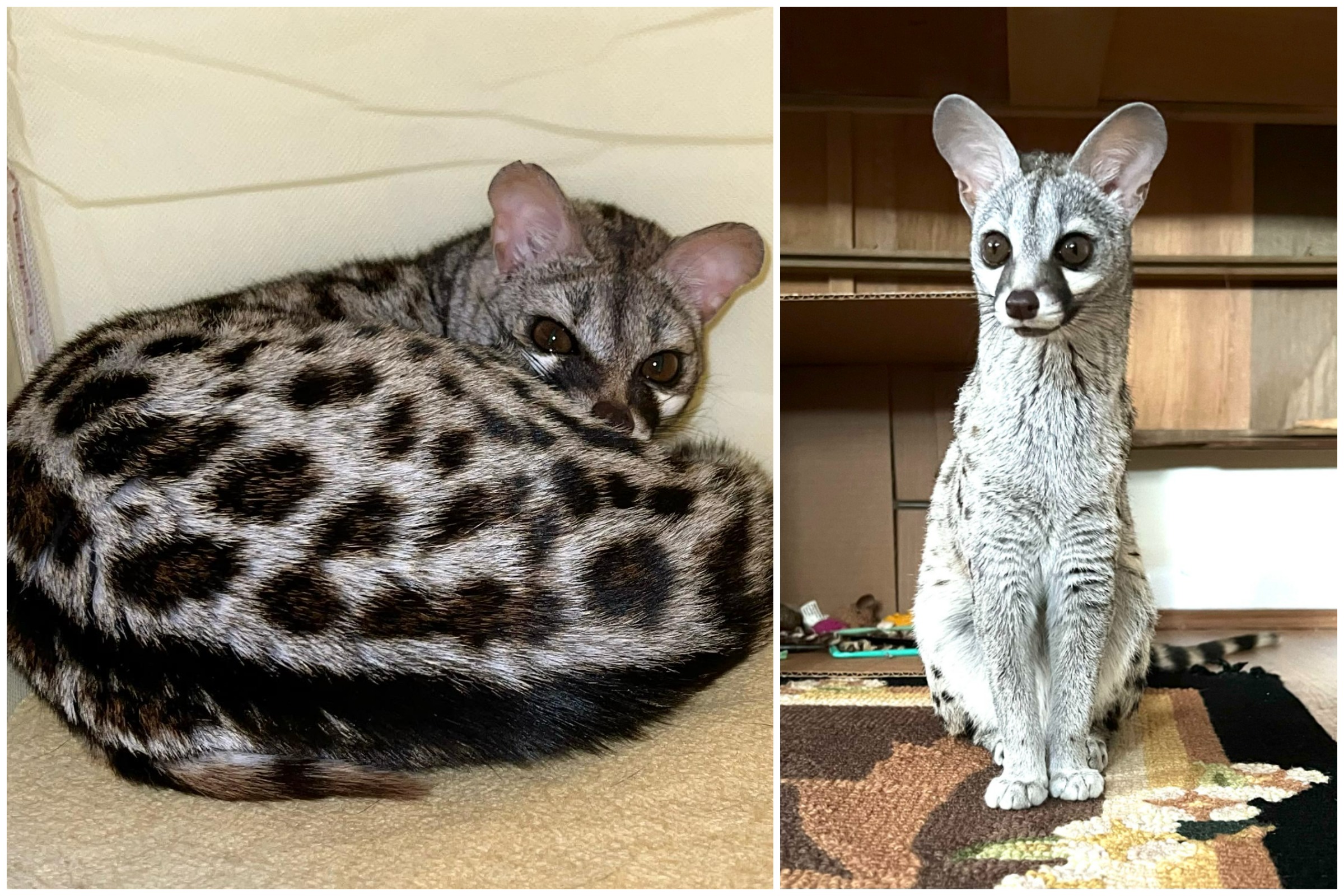
Cats communicate through a variety of vocalizations, including meows, purrs, hisses, and growls. Each sound conveys a specific message, from greeting and affection to warning and aggression. Body language, including tail movements, ear positions, and posture, also plays a vital role in feline communication.
The Feline Mind: A Study in Behavior and Cognition
Cats are known for their independent and often enigmatic behavior. Understanding their cognitive abilities and social dynamics can provide valuable insights into their world.
Territoriality and Social Structure
Cats are naturally territorial animals, marking their territory with scent from glands on their paws, cheeks, and flanks. While some cats are solitary, others form complex social structures, particularly in feral colonies. Understanding their territorial instincts is crucial for maintaining harmony in multi-cat households.
Play and Hunting Behavior
Play is an essential part of a cat’s life, serving as a way to practice hunting skills and develop physical coordination. Even domesticated cats retain their innate hunting instincts, which are often expressed through playful stalking and pouncing.
Cognitive Abilities and Learning
Cats are intelligent animals capable of learning and problem-solving. They can be trained to perform various tasks, although their independent nature can sometimes make training challenging. Understanding their learning styles and using positive reinforcement techniques can enhance training success.
The Bond Between Humans and Cats: A Mutual Affection
The relationship between humans and cats is a unique and enduring bond, characterized by mutual affection and companionship. Cats offer a sense of comfort and emotional support, while humans provide food, shelter, and care.
The Purr: A Symphony of Comfort
The cat’s purr is a source of comfort and relaxation, both for the cat and its human companion. While the exact mechanism of purring is still being researched, it is believed to involve the muscles of the larynx and diaphragm. Studies suggest that purring may have healing properties, promoting bone growth and reducing stress.
The Importance of Play and Interaction
Regular play and interaction are essential for maintaining a healthy and happy relationship with your cat. Playtime provides physical and mental stimulation, strengthens the bond between cat and owner, and helps prevent boredom and destructive behavior.
Understanding Feline Needs
Providing proper care for a cat involves understanding its specific needs, including nutrition, grooming, and veterinary care. Regular veterinary checkups are crucial for maintaining a cat’s health and preventing disease. Providing a stimulating environment with scratching posts, toys, and climbing structures can help satisfy a cat’s natural instincts.
The Modern Cat: A Global Phenomenon
In the modern world, cats have become ubiquitous companions, sharing our homes and hearts. From social media stars to therapy animals, their presence is felt in every aspect of our lives.
The Rise of the Internet Cat
The internet has played a significant role in elevating cats to global stardom. From viral videos to meme-worthy images, cats have captured the hearts of millions online, becoming symbols of humor and companionship.
Cats as Therapy Animals
Cats are increasingly being used as therapy animals, providing comfort and support to individuals in hospitals, nursing homes, and other settings. Their calming presence and affectionate nature can have a profound impact on mental and emotional well-being.
Responsible Cat Ownership
With the growing popularity of cats as pets, responsible ownership is more important than ever. This includes providing proper care, spaying or neutering to prevent overpopulation, and ensuring the safety and well-being of both the cat and the community.
Conclusion: The Enduring Appeal of the Feline
Cats, with their enigmatic charm and independent spirit, continue to captivate and fascinate us. Their history, behavior, and physiology offer a glimpse into the remarkable adaptations that have made them successful companions. As we continue to learn more about these fascinating creatures, the bond between humans and cats will undoubtedly continue to evolve, enriching our lives in countless ways.
“`