“`html
The Captivating World of Zoo cats
The Captivating World of Zoo Cats
Zoos, those microcosms of the wild, serve as vital hubs for conservation, education, and research. Among the most charismatic and captivating residents of these institutions are the felids, commonly known as zoo cats. From the majestic tigers and lions to the elusive snow leopards and jaguars, these magnificent creatures hold a special place in the hearts of visitors and play a crucial role in global conservation efforts. This article delves into the multifaceted world of zoo cats, exploring their biology, behavior, conservation status, and the challenges and triumphs of maintaining them in captivity.
Biology and Diversity
The term “zoo cat” encompasses a wide range of felid species, each with unique adaptations and characteristics. These animals belong to the family Felidae, a diverse group of carnivores found on nearly every continent. From the powerful build of the African lion to the sleek agility of the clouded leopard, zoo cats exhibit an astonishing array of physical and behavioral adaptations.
The Big Cats: Apex Predators
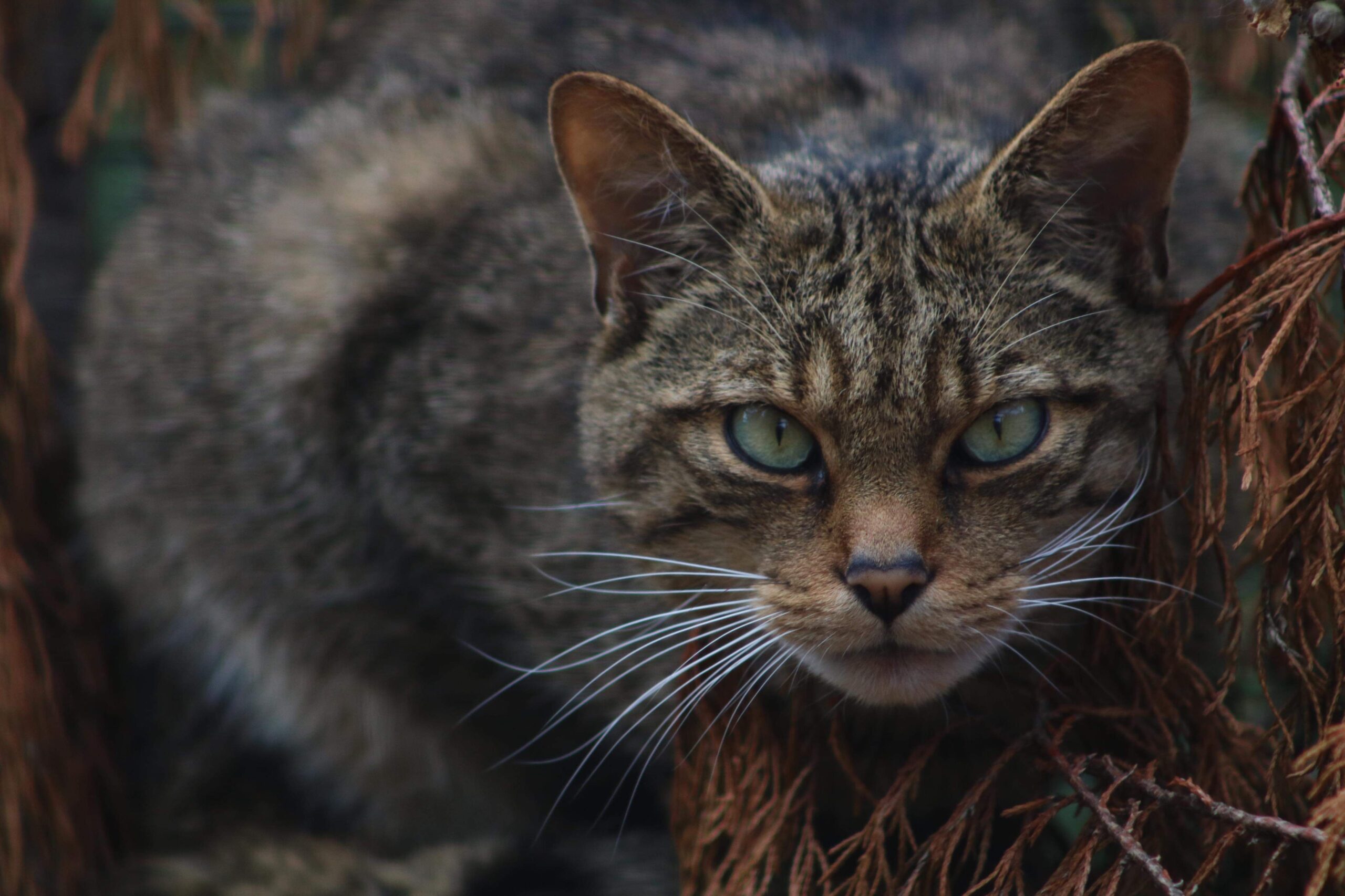
The big cats, including tigers, lions, jaguars, and leopards, are often the star attractions of any zoo. These apex predators are characterized by their large size, powerful build, and specialized hunting techniques. Tigers, for example, are the largest cat species and are known for their solitary nature and preference for dense forests. Lions, on the other hand, are social animals that live in prides and are adapted to open grasslands. Jaguars, with their robust build and powerful jaws, are skilled swimmers and hunters in the rainforests of Central and South America. Leopards, adaptable and elusive, can be found in a variety of habitats, from forests to mountains.
The Smaller Felids: Hidden Gems
Beyond the big cats, zoos also house a variety of smaller felid species, each with its own unique charm. These include the snow leopard, a master of camouflage in the high mountains of Central Asia; the cheetah, the fastest land animal; the ocelot, a beautifully spotted cat found in the Americas; and the caracal, a medium-sized cat with distinctive tufted ears. These smaller felids often require specialized care and exhibit fascinating adaptations to their specific environments.
Behavior and Enrichment
Maintaining the physical and psychological well-being of zoo cats is a crucial aspect of their care. These animals are naturally active and inquisitive, and providing them with appropriate enrichment is essential to prevent boredom and promote natural behaviors. Enrichment can take many forms, including providing opportunities for hunting, climbing, exploring, and social interaction.
Hunting and Feeding
Simulating natural hunting behaviors is a key component of enrichment. This can be achieved by providing puzzle feeders, hiding food, or using scent trails. Zoo keepers also consider the natural diet of each species when planning their feeding regimes, ensuring that the animals receive the necessary nutrients and variety.
Climbing and Exploration
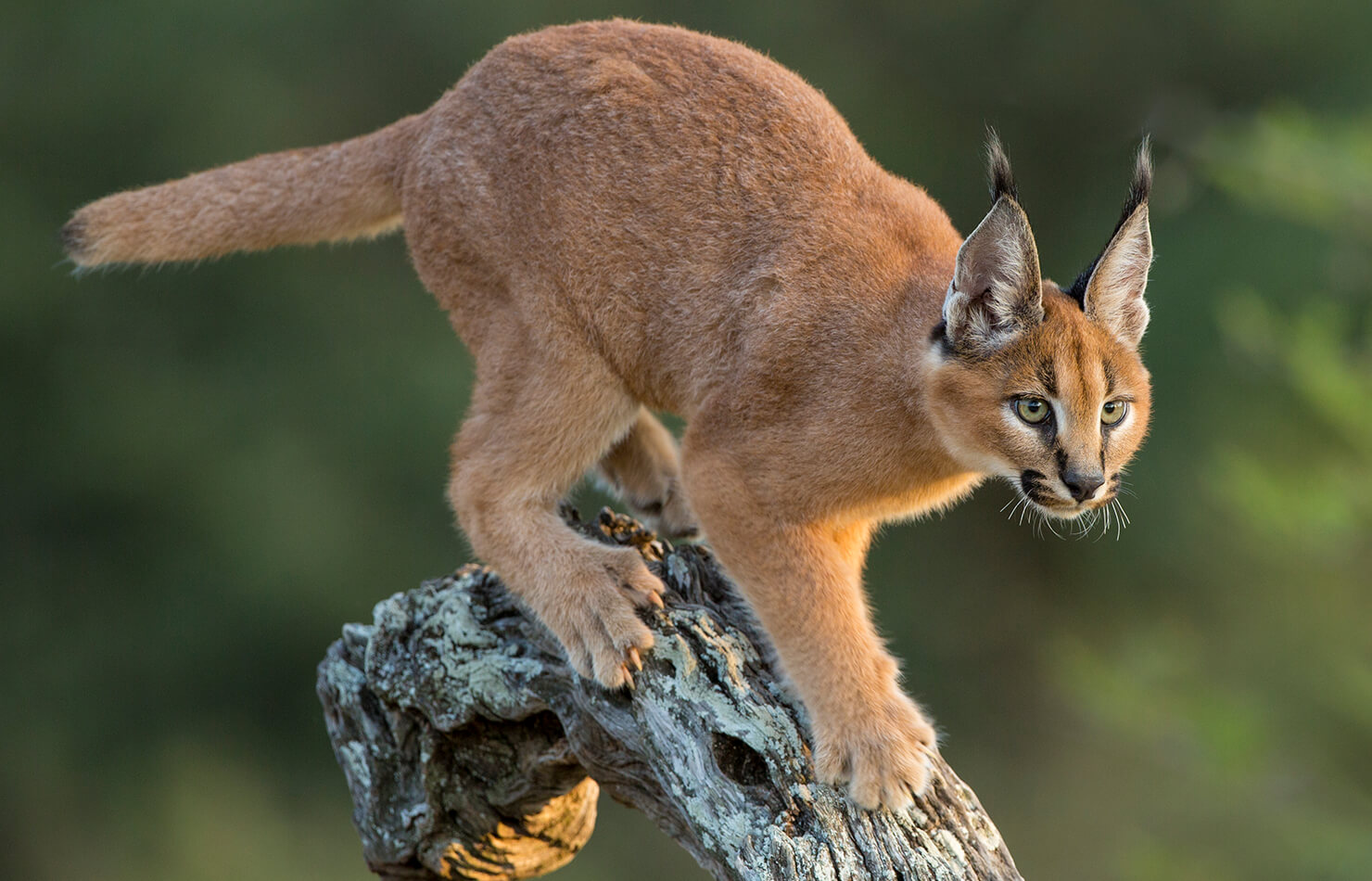
Many felids are skilled climbers, and providing them with climbing structures is essential for their physical and mental health. These structures can range from simple platforms to complex climbing frames. Providing opportunities for exploration, such as through the use of varied terrain and hidden areas, also encourages natural behaviors.
Social Interaction
For social species like lions, providing opportunities for interaction with other members of their species is crucial. Zoo keepers carefully manage social dynamics to ensure that all individuals in a pride or group are compatible and healthy. Even solitary cats benefit from visual and olfactory stimulation from neighboring animals.
Conservation Status and Breeding Programs
Many felid species are facing significant threats in the wild, including habitat loss, poaching, and human-wildlife conflict. Zoos play a vital role in the conservation of these animals through breeding programs, research, and education. These programs aim to maintain healthy and genetically diverse populations of endangered species, providing a safety net against extinction.
Species Survival Plans (SSPs)
The Association of Zoos and Aquariums (AZA) and other similar organizations manage Species Survival Plans (SSPs) for many endangered felid species. These plans coordinate breeding efforts among zoos to maintain genetic diversity and ensure the long-term health of captive populations. SSPs also involve research into felid biology, behavior, and health, providing valuable information for conservation efforts in the wild.
Reintroduction Programs
In some cases, zoo-bred animals may be released into the wild as part of reintroduction programs. These programs are carefully planned and executed, involving habitat restoration, community engagement, and post-release monitoring. Reintroduction programs are a complex and challenging undertaking, but they offer hope for the recovery of endangered felid populations.
Education and Public Awareness
Zoos play a critical role in educating the public about the threats facing felid species and the importance of conservation. Through exhibits, presentations, and educational programs, zoos raise awareness about the need to protect these magnificent animals and their habitats. By inspiring visitors to care about wildlife, zoos contribute to a global movement for conservation.
Challenges and Ethical Considerations
Maintaining zoo cats in captivity presents a number of challenges and ethical considerations. These include providing adequate space, ensuring appropriate enrichment, and managing the health and well-being of the animals. Zoo keepers and veterinarians work tirelessly to provide the best possible care, but they must also grapple with the ethical implications of keeping wild animals in captivity.
Space and Habitat
Providing adequate space for large, active animals like tigers and lions can be challenging. Zoos strive to create habitats that mimic the natural environments of these animals, but they must also balance the needs of the animals with the constraints of space and resources. Enclosures are designed to provide opportunities for exercise, exploration, and natural behaviors.
Health and Veterinary Care
Zoo cats require specialized veterinary care to ensure their health and well-being. Zoo veterinarians are trained to diagnose and treat a wide range of diseases and injuries, and they work closely with zoo keepers to monitor the health of the animals. Preventive care, such as vaccinations and parasite control, is also essential.
Ethical Considerations
The ethics of keeping wild animals in captivity is a complex and ongoing debate. Zoos must balance the needs of the animals with the goals of conservation, education, and research. While zoos provide valuable opportunities for public education and conservation, they must also ensure that the animals are treated with respect and dignity. The welfare of the animals is paramount, and zoos must continually strive to improve their standards of care.
The Future of Zoo Cats
The future of zoo cats depends on the continued commitment of zoos, conservation organizations, and the public to their well-being and conservation. By supporting zoos and their conservation efforts, we can help ensure that these magnificent animals continue to thrive, both in captivity and in the wild. The role of zoos is evolving, with an increasing focus on conservation and education. As our understanding of felid biology and behavior deepens, we can continue to improve the care and management of these animals, ensuring that they remain a vital part of our natural heritage.
In conclusion, zoo cats are more than just captivating attractions. They are ambassadors for their wild counterparts, playing a crucial role in conservation, education, and research. By understanding their biology, behavior, and needs, we can work together to ensure their survival for generations to come. The continued dedication of zoo staff, conservationists, and the public is essential to safeguarding the future of these magnificent animals.
“`