The Enigmatic Feline: A Deep Dive into the Domestic cat‘s Nature
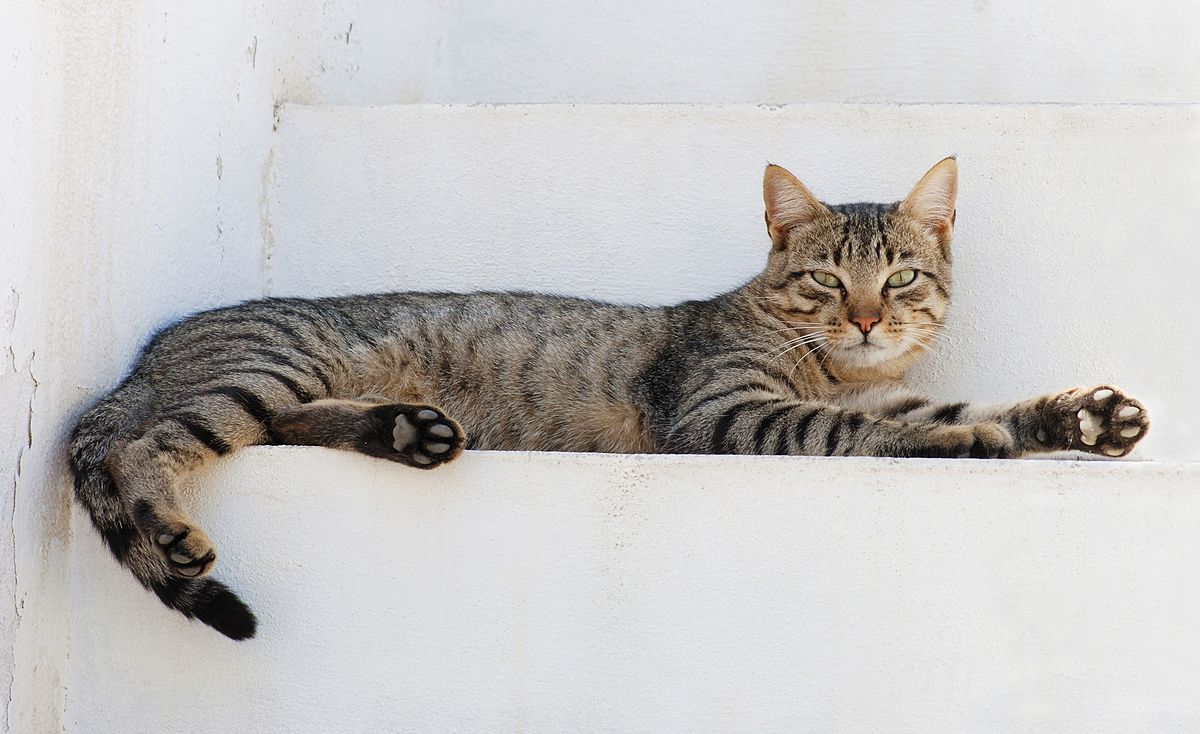
The domestic cat, Felis catus, occupies a unique space in our world. It’s a creature of paradox, simultaneously a beloved companion and a fiercely independent predator. This duality raises a fundamental question: is the cat truly a domesticated animal, or something else entirely? This exploration delves into the cat’s history, behavior, and genetics to unravel the complexities of its relationship with humans.
A History of Mutual Convenience, Not Domestication?
The conventional narrative of domestication involves a gradual process of human selection, shaping wild animals to fit specific needs. Dogs, for instance, were bred for herding, hunting, and guarding. However, the cat’s story unfolds differently. Archaeological evidence suggests that cats began associating with humans around 10,000 years ago, coinciding with the rise of agriculture in the Fertile Crescent.
The Rodent Connection: The initial attraction was likely mutual. As humans stored grain, they attracted rodents, which in turn attracted wildcats. These early cats, Felis silvestris lybica, found a reliable food source, while humans benefited from natural pest control. This partnership was less about control and more about shared advantage.
Self-Domestication: Unlike other domesticated animals, cats were not actively bred for specific traits for millennia. Their genetic makeup remained remarkably similar to their wild ancestors. This suggests a process of “self-domestication,” where cats adapted to a human-associated environment without significant human intervention.
The Egyptian Cat: Ancient Egyptians revered cats, elevating them to near-divine status. However, even in this context, evidence suggests a more symbiotic relationship than complete domestication. Cats were depicted in artwork alongside humans, but not necessarily under their direct control.
The Behavioral Dichotomy: Wild Instincts and Domestic Affection
Cat – Wikipedia
The cat’s behavior further complicates its classification. While they can display affectionate behaviors towards humans, their inherent wild instincts remain prominent.
Predatory Prowess: Cats are obligate carnivores, meaning they require a diet of meat to survive. Their hunting instincts are deeply ingrained, even in well-fed domestic cats. The “gift” of a dead mouse or bird is not a sign of malice, but a manifestation of their natural hunting behavior.
Territoriality: Cats are inherently territorial creatures. They establish and defend their territory, marking it with scent through urine spraying and scratching. This behavior, while often frustrating for owners, is a fundamental aspect of their feline nature.
Independent Nature: Unlike dogs, which often seek constant interaction, cats are content with solitude. They are masters of self-sufficiency, capable of entertaining themselves and managing their own needs. This independence is a hallmark of their semi-domesticated status.
Social Complexity: While often perceived as solitary, cats do exhibit complex social behaviors. Feral cat colonies demonstrate intricate social hierarchies and cooperative behaviors. However, their social structures differ significantly from those of highly social animals like dogs.
Vocalization and Communication: Cats have a wide range of vocalizations, from purrs and meows to hisses and growls. They also rely heavily on body language, including tail movements, ear positions, and posture, to communicate with humans and other cats. This complex communication system highlights their sophisticated social capabilities.
Play as Practice: Kitten play is not just for fun; it’s essential for developing hunting and social skills. Even adult cats engage in play, which helps them maintain their physical and mental agility.
Genetic Insights: Minimal Divergence from Wild Ancestors
Genetic studies provide compelling evidence for the cat’s unique domestication trajectory.
Limited Genetic Bottleneck: Unlike dogs, which experienced a significant genetic bottleneck during domestication, cats show relatively little genetic diversity loss. This indicates a less intense and more recent domestication process.
Retention of Wild Traits: Cats retain a high degree of genetic similarity to their wild ancestors, particularly in genes related to hunting and sensory perception. This explains their exceptional hunting abilities and keen senses of smell and hearing.
Taming vs. Domestication: Genetic analysis suggests that cats were primarily “tamed” rather than fully domesticated. Taming involves acclimating an animal to human presence, while domestication involves significant genetic changes through selective breeding.
The Role of Genes in Behavior: Research into cat genetics is ongoing, but studies have identified genes associated with tameness and sociability. However, these genes represent subtle variations rather than major evolutionary shifts.
The Modern Cat: A Blend of Wild and Domestic
Cats Are Not Small Dogs Catology
The modern domestic cat is a fascinating amalgamation of wild instincts and domesticated behaviors.
Adaptability: Cats have proven remarkably adaptable to a wide range of environments, from urban apartments to rural farms. This adaptability is a testament to their inherent resilience and resourcefulness.
The Indoor-Outdoor Debate: The debate over whether cats should be kept indoors or allowed to roam outdoors reflects the tension between their wild instincts and domestic safety. While outdoor access satisfies their natural curiosity and hunting drives, it also exposes them to risks such as traffic accidents, predators, and diseases.
The Importance of Enrichment: Providing cats with enrichment, such as scratching posts, toys, and climbing structures, is crucial for satisfying their natural instincts and preventing boredom and behavioral problems.
The Human-Cat Bond: Despite their independence, cats form strong bonds with their human companions. This bond is often characterized by mutual respect and affection, rather than dominance and submission.
The Future of the Feline: As our understanding of cat behavior and genetics deepens, we are gaining a greater appreciation for their unique nature. The future of the feline likely involves a continued balance between their wild instincts and their role as beloved companions.
Conclusion: A Semi-Domesticated Marvel
In conclusion, the domestic cat occupies a liminal space between wild and domesticated. It is a creature that has chosen to coexist with humans, rather than being fully subjugated by them. Its history, behavior, and genetics all point to a process of self-domestication, driven by mutual convenience and a shared environment. While cats exhibit affection and adapt to domestic life, their wild instincts remain deeply ingrained.
The cat’s independence, predatory prowess, and territoriality are not signs of defiance, but rather expressions of its inherent nature. Understanding and respecting these traits is essential for fostering a harmonious relationship with our feline companions. The cat is not merely a pet, but a semi-domesticated marvel, a testament to the enduring power of natural selection and the complex interplay between humans and the animal world.
Is your cat bad? The problem is likely not with Fluffy — it could