“`html
Animal Plasma in cat Food: A Comprehensive Guide
Animal Plasma in Cat Food: A Comprehensive Guide
The pet food industry is constantly evolving, with manufacturers seeking innovative ingredients to enhance the nutritional value and palatability of their products. One such ingredient that has gained attention in recent years is animal plasma. While it might sound unusual, animal plasma offers several potential benefits for cats when incorporated into their diets. This comprehensive guide will delve into the intricacies of animal plasma in cat food, exploring its composition, benefits, potential drawbacks, and its role in feline nutrition.
What is Animal Plasma?
Animal plasma is the liquid component of blood that remains after red and white blood cells, and platelets have been removed. It’s a complex mixture of proteins, enzymes, antibodies, and other vital substances. In the pet food industry, porcine (pig) and bovine (cow) plasma are the most commonly used sources. These sources are chosen because they are readily available and their plasma composition is well-understood.
Plasma is collected in a controlled environment during the processing of livestock, ensuring the safety and quality of the final product. It undergoes various purification and drying processes to create a powdered form that can be easily incorporated into cat food formulations.
Composition of Animal Plasma
The nutritional value of animal plasma stems from its rich composition, which includes:
Proteins:
Plasma is a significant source of functional proteins, including albumin, globulins, and fibrinogen. These proteins play crucial roles in various physiological processes, such as immune function, blood clotting, and nutrient transport.
Immunoglobulins (Antibodies):
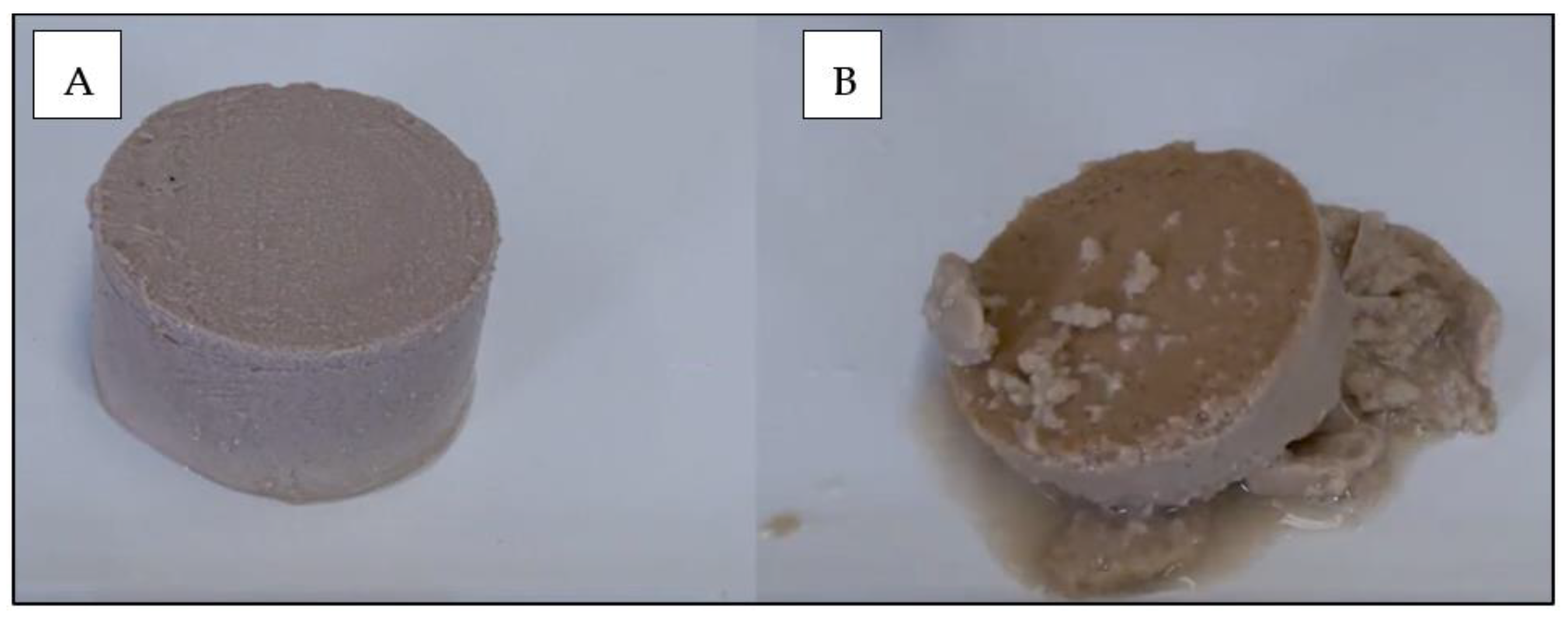
Immunoglobulins, also known as antibodies, are essential components of the immune system. They help protect against pathogens and bolster the cat’s natural defenses. The presence of immunoglobulins in animal plasma can contribute to improved immune function in cats.
Bioactive Peptides:
Plasma contains various bioactive peptides, which are short chains of amino acids that have specific biological activities. These peptides can influence various physiological processes, including gut health and inflammation.
Minerals and Electrolytes:
Plasma is also a source of essential minerals and electrolytes, such as sodium, potassium, and chloride, which are crucial for maintaining electrolyte balance and overall health.
Benefits of Animal Plasma in Cat Food
The unique composition of animal plasma offers several potential benefits for cats when included in their diets:
Enhanced Palatability:
Animal plasma can significantly improve the palatability of cat food. Its rich protein content and unique flavor profile can make meals more appealing, especially for picky eaters or cats with reduced appetites.
Improved Digestive Health:
Bioactive peptides and immunoglobulins in plasma can contribute to improved gut health. They can help maintain the integrity of the intestinal barrier, reduce inflammation, and promote a healthy gut microbiome.
Immune System Support:
The presence of immunoglobulins in animal plasma can bolster the cat’s immune system, making them more resistant to infections and diseases. This is particularly beneficial for kittens, senior cats, and cats with compromised immune systems.
Protein Source:
Animal plasma is a high-quality protein source, providing essential amino acids that are crucial for muscle development and maintenance. This is especially important for growing kittens and active adult cats.
Reduced Inflammation:
Certain bioactive peptides in plasma have anti-inflammatory properties, which can help reduce inflammation throughout the body. This can be beneficial for cats with inflammatory conditions, such as inflammatory bowel disease (IBD).
Enhanced Nutrient Absorption:
Improved gut health can lead to better nutrient absorption, ensuring that cats receive the maximum benefit from their diet.
Potential Drawbacks and Considerations
While animal plasma offers numerous benefits, there are some potential drawbacks and considerations to keep in mind:
Allergies and Sensitivities:
Like any protein source, animal plasma can potentially trigger allergies or sensitivities in some cats. It’s essential to monitor cats for any signs of adverse reactions, such as skin irritation, digestive upset, or respiratory issues.
Source and Quality:
The quality and source of animal plasma are crucial. It’s essential to choose cat food products that use plasma from reputable suppliers with stringent quality control measures to ensure safety and purity.
Processing Methods:
The processing methods used to produce animal plasma can affect its nutritional value. It’s important to select products that use gentle processing techniques to preserve the integrity of the proteins and other bioactive compounds.
Cost:
Cat food products containing animal plasma may be more expensive than conventional options. However, the potential benefits may justify the higher cost for some cat owners.
Ethical Considerations:
Some cat owners may have ethical concerns about the use of animal by-products in pet food. It’s important to consider these concerns and choose products that align with personal values.
How Animal Plasma is Used in Cat Food
Animal plasma is typically added to cat food in powdered form. It can be incorporated into both dry and wet cat food formulations. The amount of plasma used will vary depending on the specific product and its intended purpose. Manufacturers carefully formulate their products to ensure that the plasma provides the desired benefits without causing any adverse effects.
Dry Cat Food:
In dry cat food, animal plasma is typically added to the kibble during the manufacturing process. It can help improve the palatability and nutritional value of the kibble.
Wet Cat Food:
In wet cat food, animal plasma can be incorporated into the gravy or sauce. It can enhance the flavor and texture of the wet food, making it more appealing to cats.
Supplements:
Animal plasma is also available as a standalone supplement for cats. These supplements can be used to provide additional support for immune function, gut health, and overall well-being.
Choosing the Right Cat Food with Animal Plasma
When choosing a cat food product that contains animal plasma, consider the following factors:
Ingredient List:
Carefully review the ingredient list to ensure that animal plasma is listed and that it’s from a reputable source.
Nutritional Adequacy:
Ensure that the cat food provides a complete and balanced diet that meets the nutritional needs of your cat’s life stage and activity level.
Manufacturer Reputation:
Choose products from reputable manufacturers with a proven track record of producing high-quality pet food.
Veterinary Consultation:
Consult with your veterinarian to determine if animal plasma is appropriate for your cat’s specific needs and health conditions.
Conclusion
Animal plasma is a valuable ingredient that can offer numerous benefits for cats when incorporated into their diets. Its rich composition of proteins, immunoglobulins, and bioactive peptides can contribute to improved palatability, digestive health, immune function, and overall well-being. While there are some potential drawbacks and considerations, choosing high-quality products from reputable manufacturers and consulting with your veterinarian can help ensure that your cat receives the maximum benefit from animal plasma. As the pet food industry continues to evolve, animal plasma is likely to remain a valuable tool for enhancing feline nutrition.
“`