“`html
The Wild Runway: Animal catwalks Through History and Culture
The Wild Runway: Animal Catwalks Through History and Culture
The concept of a “catwalk” conjures images of sleek human models strutting down a brightly lit runway, showcasing haute couture and setting fashion trends. But the art of parading, of displaying one’s best attributes, is not exclusive to humans. Throughout history and across cultures, animals have taken their own turns on the “wild runway,” participating in events that range from practical livestock shows to elaborate ceremonial displays. This article explores the diverse world of animal catwalks, delving into their historical significance, cultural impact, and contemporary manifestations.
From Livestock to Luxury: The Evolution of Animal Shows
The earliest forms of animal “catwalks” likely stemmed from practical needs. Farmers and herders needed to assess the quality of their livestock, leading to the development of animal shows and competitions. These events, often rooted in agricultural traditions, served as platforms for evaluating breeding stock, showcasing the best specimens of various breeds, and facilitating trade.
Agricultural Roots: Livestock Shows and Competitions

Livestock shows, prevalent in many agricultural societies, provided a structured way to compare animals based on specific criteria. Judges assessed factors like size, conformation, health, and temperament, awarding prizes to the finest specimens. These events were not merely displays of animal beauty; they were crucial for improving livestock quality and ensuring the productivity of farms and ranches.
In many cultures, these shows evolved into significant social gatherings, attracting farmers, breeders, and community members alike. They became opportunities for sharing knowledge, exchanging ideas, and celebrating rural life. The tradition of livestock shows continues to this day, with events like the Royal Agricultural Winter Fair in Canada and the National Western Stock Show in the United States drawing large crowds and showcasing the best of modern agriculture.
The Rise of the Show Dog: From Working Animal to Pedigree Star
As societies became more urbanized, the role of animals shifted. While livestock remained essential for food production, companion animals, particularly dogs, gained prominence. This led to the development of dog shows, where pedigree and beauty took center stage.
The Kennel Club in the United Kingdom, established in 1873, played a pivotal role in standardizing dog breeds and organizing dog shows. The Westminster Kennel Club Dog Show in the United States, first held in 1877, became a prestigious event, showcasing the elegance and refinement of purebred dogs. These shows emphasized adherence to breed standards, with judges evaluating dogs on their conformation, movement, and temperament.
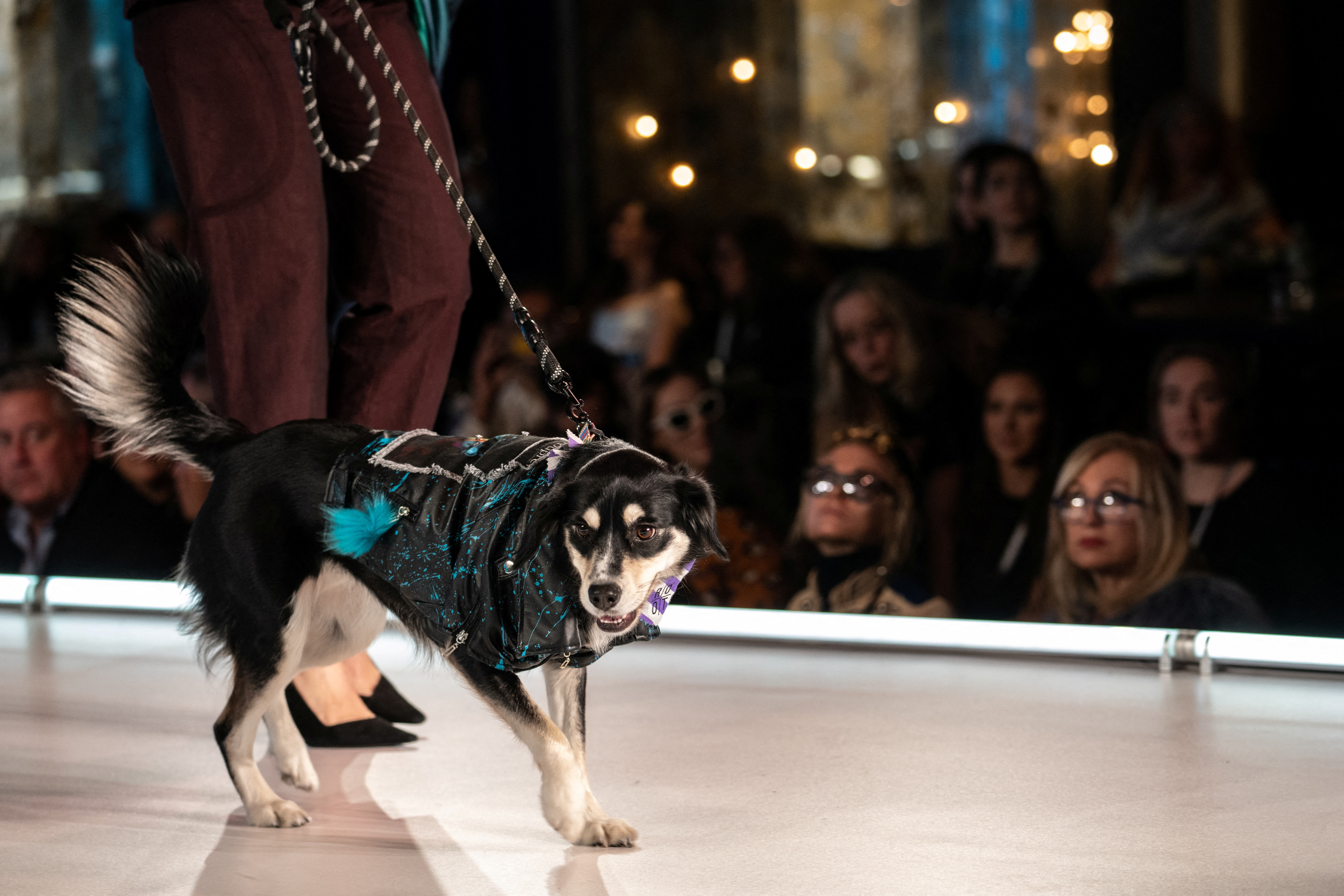
Dog shows transformed the perception of dogs, elevating them from working animals to objects of beauty and status. They also fueled the development of the pet industry, with breeders, groomers, and pet supply companies catering to the growing demand for pedigree dogs.
Ceremonial Spectacles: Animals in Cultural Rituals
Beyond practical and competitive contexts, animals have played significant roles in ceremonial displays across various cultures. These events often involved elaborate processions, rituals, and costumes, transforming animals into symbols of power, prestige, and spiritual significance.
Royal Processions and Parades: Animals as Symbols of Power
Throughout history, rulers and monarchs have used animals to project their power and authority. Elephants, horses, and other majestic creatures were often featured in royal processions, symbolizing wealth, strength, and dominion.
In ancient Egypt, pharaohs were often depicted riding chariots drawn by horses, showcasing their military prowess and divine right to rule. In India, elephants adorned with elaborate decorations were integral to royal processions, signifying the grandeur and splendor of the ruling dynasty. These ceremonial displays were not merely spectacles; they were carefully orchestrated performances designed to reinforce the ruler’s legitimacy and inspire awe among the populace.
Religious Rituals and Festivals: Animals as Sacred Beings
Many cultures incorporate animals into religious rituals and festivals, recognizing their spiritual significance and symbolic power. Animals may be revered as deities, messengers of the gods, or embodiments of natural forces.
In Hinduism, cows are considered sacred animals, symbolizing abundance and prosperity. During the Pongal festival in South India, cows are adorned with garlands and painted with vibrant colors, participating in processions and rituals. In many Indigenous cultures, animals play central roles in creation myths and spiritual practices. The Eagle Dance of the Pueblo people, for example, is a ceremonial performance that honors the eagle as a sacred messenger.
These rituals and festivals transform animals into participants in sacred dramas, imbuing them with spiritual significance and reinforcing the connection between humans and the natural world.
Contemporary Catwalks: Animal Shows in the Modern Era
In the modern era, animal catwalks have taken on new forms, reflecting evolving societal values and technological advancements. While traditional livestock shows and dog shows continue to thrive, new events have emerged, showcasing the diversity and adaptability of the animal world.
The Rise of Pet Competitions: From Pageants to Agility Trials
Pet competitions have become increasingly popular, offering pet owners opportunities to showcase their animals’ talents, beauty, and personalities. These events range from traditional conformation shows to more unconventional competitions like pet pageants and agility trials.
Pet pageants, often featuring dogs and cats dressed in elaborate costumes, emphasize the aesthetic appeal of pets. Agility trials, on the other hand, test the physical prowess and obedience of dogs, challenging them to navigate obstacle courses with speed and precision. These competitions reflect the growing bond between humans and their pets, celebrating the unique qualities and abilities of individual animals.
The Internet Age: Viral Animal Videos and Social Media Stars
The internet and social media have created new platforms for showcasing animals, transforming them into viral sensations and social media stars. Videos of cats performing acrobatic feats, dogs displaying remarkable intelligence, and other animals engaging in entertaining antics have captivated audiences worldwide.
Animals like Grumpy Cat, Lil Bub, and Jiffpom have achieved internet fame, accumulating millions of followers and generating substantial revenue through merchandise and endorsements. These animals have become cultural icons, demonstrating the power of social media to elevate animals to celebrity status.
Ethical Considerations: Animal Welfare and Responsible Spectatorship
As animal catwalks and shows continue to evolve, ethical considerations regarding animal welfare and responsible spectatorship have become increasingly important. Concerns about the treatment of animals in competitions, the potential for exploitation, and the impact of these events on animal behavior and well-being have prompted calls for greater regulation and oversight.
Organizations like the American Society for the Prevention of Cruelty to Animals (ASPCA) and the Royal Society for the Prevention of Cruelty to Animals (RSPCA) advocate for animal welfare in competitions and shows, promoting ethical guidelines and best practices. Responsible spectatorship involves supporting events that prioritize animal welfare, avoiding events that exploit or mistreat animals, and educating oneself about the needs and behaviors of the animals on display.
Conclusion: The Enduring Appeal of the Animal Catwalk
Animal catwalks, in their various forms, reflect the enduring fascination humans have with the animal world. From the practical displays of livestock shows to the elaborate ceremonies of royal processions, animals have captivated audiences for centuries. In the modern era, animal shows continue to evolve, reflecting changing societal values and technological advancements.
Whether it’s the elegance of a pedigree dog, the power of a royal elephant, or the charm of a viral internet sensation, animals continue to grace the “wild runway,” reminding us of their beauty, diversity, and enduring connection to the human experience. As we move forward, it’s essential to ensure that these events are conducted ethically and responsibly, prioritizing the well-being of the animals involved and celebrating their unique contributions to our world.
“`