“`html
The Enchanting World of Kittens
The Enchanting World of Kittens
Kittens, those tiny bundles of fur and boundless energy, hold a special place in our hearts. Their playful antics, soft purrs, and inquisitive nature make them irresistible companions. From their first wobbly steps to their graceful leaps, kittens embark on a remarkable journey of growth and discovery, captivating us with their charm every step of the way. This comprehensive exploration delves into the fascinating world of kittens, covering everything from their developmental stages and behaviors to their care and the profound bond they form with humans.
The Magical Beginnings: Birth and Neonatal Stage
A kitten’s life begins in the warm, safe environment of the mother cat‘s womb. After a gestation period of approximately 63 days, a litter of kittens, typically ranging from three to five, is born. These newborns, blind and deaf, rely entirely on their mother for warmth, nourishment, and protection. Their primary senses are touch and smell, which guide them to their mother’s milk, the essential source of antibodies and nutrients for their fragile immune systems. This neonatal stage, lasting for the first two weeks of life, is a period of rapid growth and development. The kittens’ tiny bodies double in size, and their primary focus is on sleeping and feeding.
Eyes and Ears Open: Transitioning to Awareness
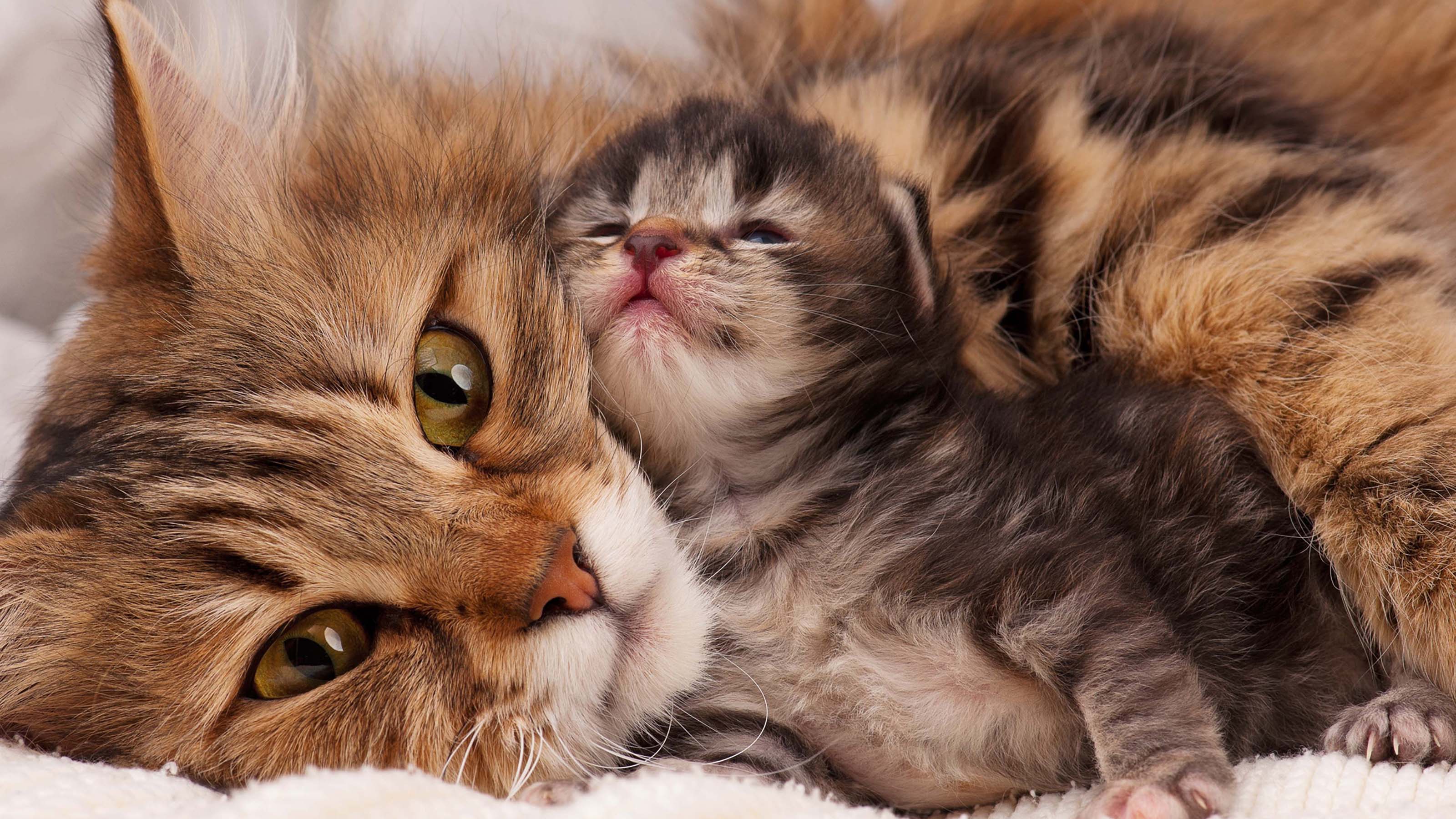
Around the age of two weeks, a significant milestone occurs: the kittens’ eyes begin to open, revealing their bright, blue gaze. Their ears also unfold, allowing them to perceive the world of sound for the first time. This newfound awareness sparks a surge of curiosity and exploration. The kittens start to move more purposefully, taking their first tentative steps and exploring their immediate surroundings. They begin to interact with their siblings, engaging in playful wrestling and grooming, which are crucial for developing social skills.
The Playful Explorer: Socialization and Development
From three to eight weeks of age, kittens enter the crucial socialization period. This is when they learn to interact with their mother, siblings, and humans, shaping their personalities and behaviors for life. Exposure to a variety of sights, sounds, and experiences during this time is essential for developing well-adjusted and confident cats. Play is a vital component of socialization, allowing kittens to practice their hunting skills, develop coordination, and learn social boundaries. They chase, pounce, and bat at anything that moves, honing their reflexes and agility. This period is also when kittens begin to learn about litter box training and basic grooming habits from their mother.
Weaning and Independence: The Transition to Solid Food
Around four to six weeks of age, kittens begin the weaning process, gradually transitioning from their mother’s milk to solid food. This is a crucial dietary change, as kittens require a diet rich in protein and nutrients to support their rapid growth. Specially formulated kitten food provides the necessary balance of nutrients for their developing bodies. By eight weeks, most kittens are fully weaned and ready to embark on their independent lives.
Understanding Kitten Behavior: A Window into Their World
Kittens exhibit a wide range of behaviors that reflect their innate instincts and developing personalities. Understanding these behaviors is essential for building a strong bond and providing appropriate care.
The Purrfect Communication: Vocalizations and Body Language
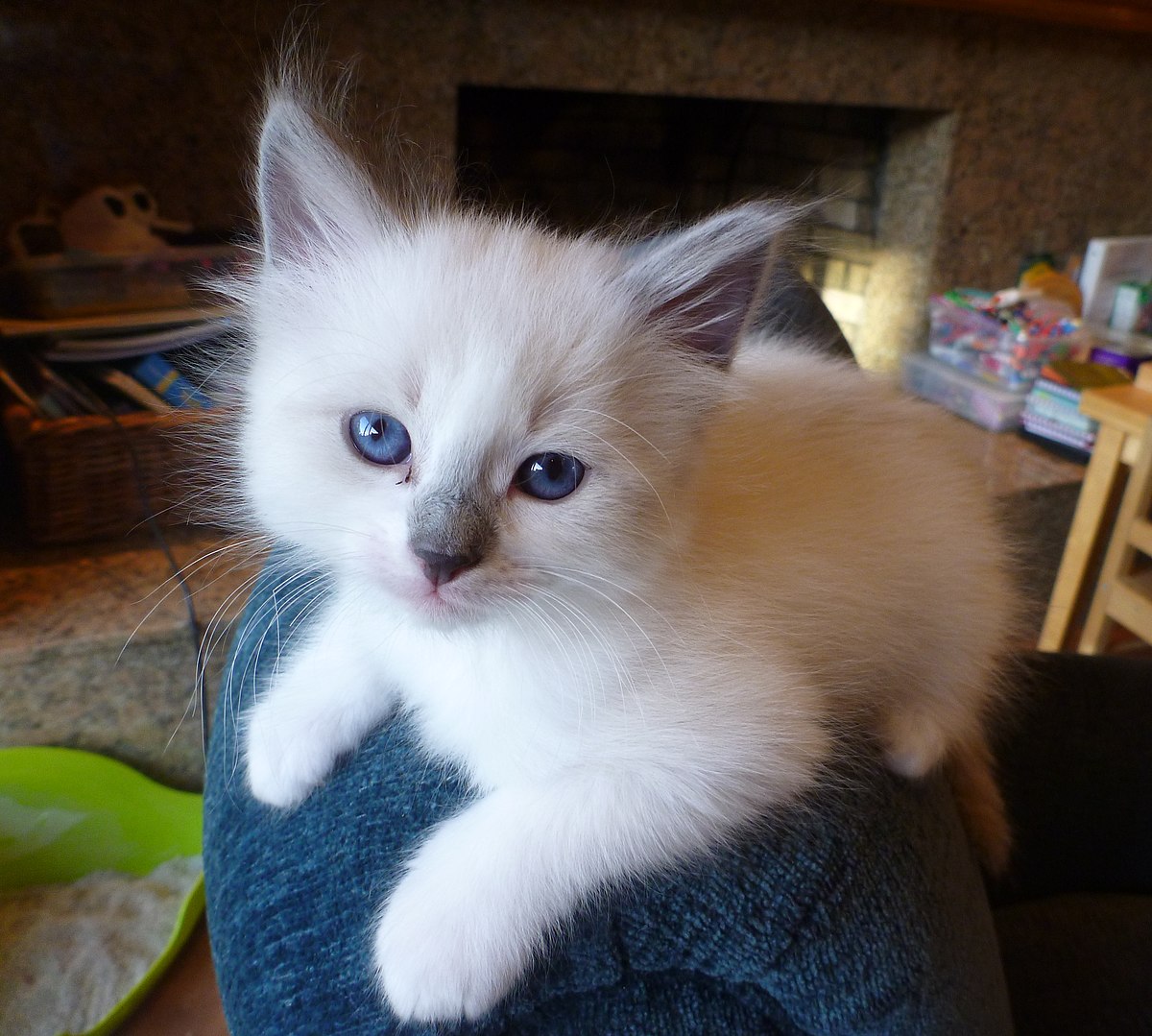
Kittens communicate through a variety of vocalizations, including meows, purrs, and hisses. Meowing is often used to get attention, while purring expresses contentment and affection. Hissing is a defensive behavior, indicating fear or aggression. Body language also plays a crucial role in communication. A kitten’s tail, ears, and posture can convey a range of emotions, from playfulness to fear. An upright tail signifies happiness, while flattened ears and a puffed-up tail indicate fear or aggression.
The Hunter’s Instinct: Play and Predatory Behavior
Kittens are born with a strong hunting instinct, which manifests in their playful behavior. Chasing, pouncing, and batting are all expressions of this instinct. Providing kittens with appropriate toys, such as feather wands and toy mice, allows them to channel their predatory energy in a safe and constructive way. Scratching is another natural behavior, used to mark territory and sharpen claws. Providing scratching posts can help prevent damage to furniture.
Caring for Your Kitten: Creating a Safe and Loving Environment
Providing proper care for a kitten is essential for their health and well-being. This includes providing a nutritious diet, a safe and stimulating environment, and regular veterinary care.
Nutrition for Growth: Feeding a Kitten
Kittens require a diet that is rich in protein and nutrients to support their rapid growth. Specially formulated kitten food provides the necessary balance of nutrients. Feeding kittens small, frequent meals throughout the day is recommended. Fresh water should always be available.
A Safe Haven: Creating a Kitten-Friendly Home
Kittens are curious and adventurous, which can lead to them getting into trouble. Creating a kitten-friendly home involves removing potential hazards, such as toxic plants, electrical cords, and small objects that can be swallowed. Providing scratching posts, toys, and climbing structures can help keep kittens entertained and prevent destructive behavior.
Veterinary Care: Regular Checkups and Vaccinations
Regular veterinary checkups are essential for monitoring a kitten’s health and development. Vaccinations are crucial for protecting kittens from common diseases. Parasite prevention is also important. Spaying or neutering is recommended to prevent unwanted litters and reduce the risk of certain health problems.
The Human-Kitten Bond: A Lifelong Connection
The bond between a kitten and its human companion is a special and enduring one. Kittens provide companionship, affection, and entertainment, enriching our lives in countless ways. They are masters of unconditional love, offering comfort and support during difficult times. The human-kitten bond is built on trust, respect, and mutual affection. Spending quality time with your kitten, playing, grooming, and cuddling, strengthens this bond and creates lasting memories.
Training and Socialization: Fostering a Well-Adjusted Cat
Training and socialization are crucial for developing a well-adjusted and confident cat. Early socialization, exposing kittens to a variety of people, animals, and environments, is essential for preventing fear and aggression. Positive reinforcement training, using treats and praise, can help teach kittens basic commands and behaviors. Consistency and patience are key to successful training.
The Joy of Kittenhood: Cherishing the Precious Moments
Kittenhood is a fleeting and precious time, filled with moments of joy, laughter, and wonder. Cherishing these moments, capturing them in photos and videos, and creating lasting memories is a gift that will be treasured for years to come. The journey of kittenhood is a testament to the resilience, adaptability, and boundless love of these remarkable creatures. By providing them with the care, love, and attention they deserve, we can help them thrive and become cherished members of our families.
“`