The Intriguing Dance: Decoding the Dog-cat Relationship
The age-old rivalry between dogs and cats, immortalized in cartoons and folklore, often paints a picture of perpetual animosity. However, the reality of their interactions is far more nuanced and fascinating. It’s a complex dance of instinct, communication, and learned behavior, a delicate balance that can range from playful camaraderie to cautious coexistence. Understanding the dynamics of this relationship requires delving into the unique perspectives of both species.
Dogs, descended from social pack animals, rely heavily on body language and vocalizations to communicate. Their world is one of hierarchical structures, play bows, and tail wags.
Key Aspects of Dog Communication

Body Language:
Cats, while also social creatures, are more solitary and subtle in their communication. Their body language is intricate, relying on subtle shifts in posture, ear position, and tail movement.
Key Aspects of Cat Communication
Body Language:
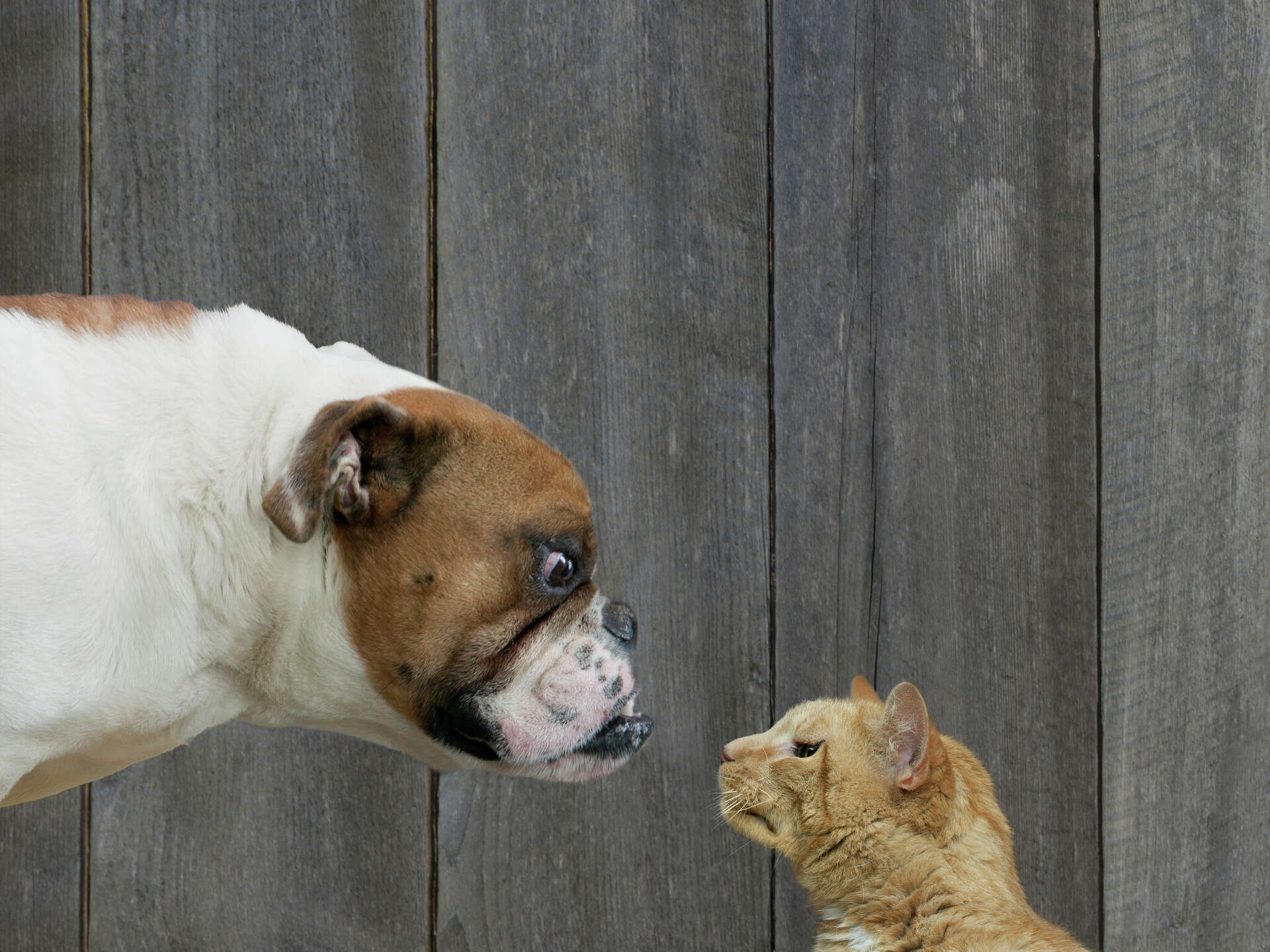
The primary source of conflict between dogs and cats often stems from misinterpretations of each other’s body language. A dog’s playful approach, involving enthusiastic tail wagging and chasing, can be perceived by a cat as aggression. Conversely, a cat’s attempt to defend its territory with a hiss and an arched back can be interpreted by a dog as a challenge.
Common Misunderstandings
A dog’s wagging tail, intended as a friendly gesture, may be perceived by a cat as an aggressive threat.
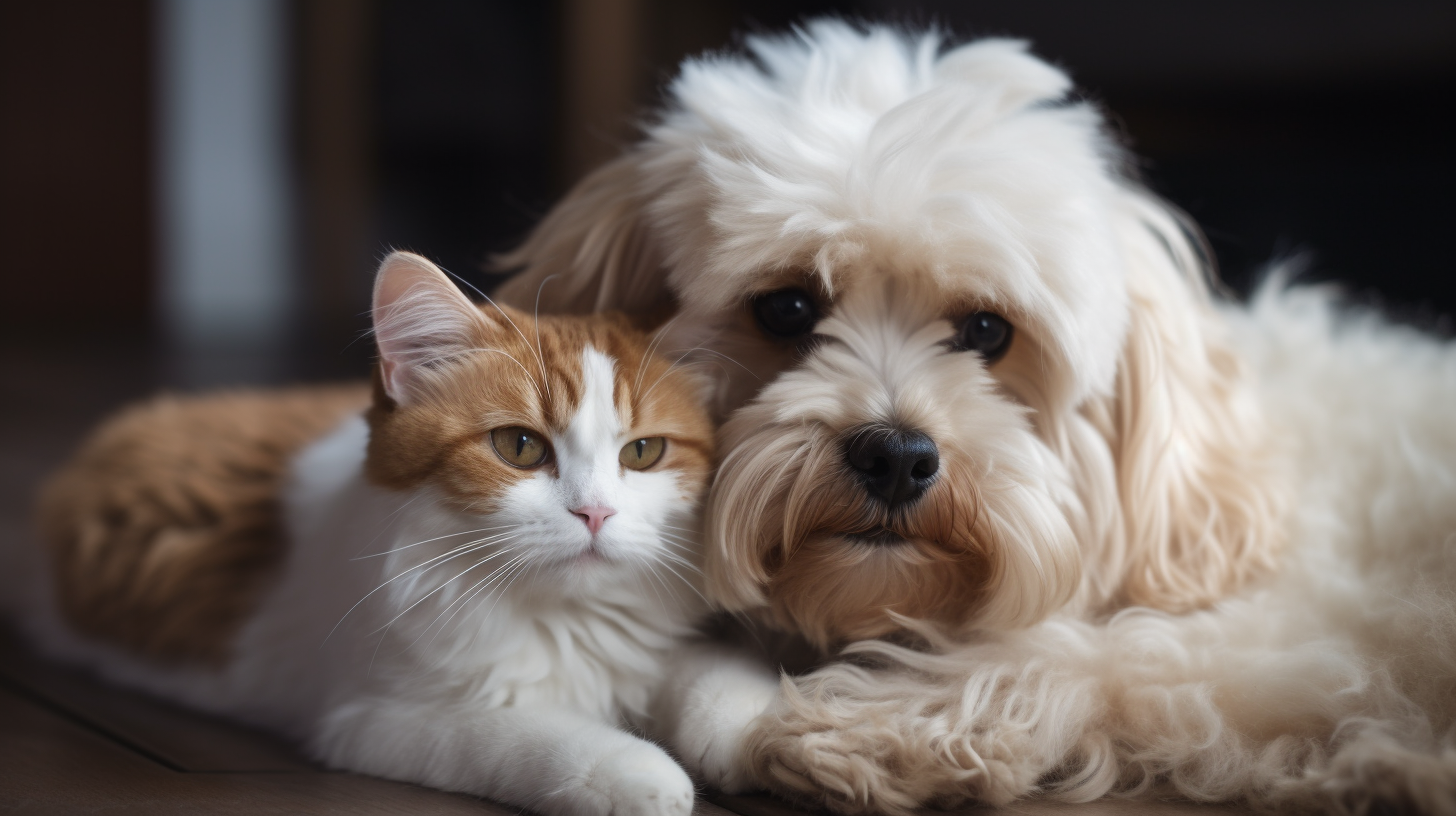
Several factors contribute to the dynamics of a dog-cat relationship, including:
Early Socialization
Puppies and kittens that are introduced to each other at a young age are more likely to develop positive relationships.
Individual Temperament
A dog’s breed and individual personality play a significant role. Some dog breeds, such as those with strong prey drives, may be more prone to chasing cats.
Environmental Factors
A safe and secure environment with ample space and resources is essential for harmonious coexistence.
Supervision and Management
Careful supervision during initial interactions is crucial to ensure safety and prevent negative experiences.
Creating a peaceful environment for dogs and cats requires patience, consistency, and understanding.
Gradual Introductions
Start by keeping the dog and cat separated, allowing them to acclimate to each other’s scents.
Creating Safe Spaces
Provide the cat with elevated spaces, such as cat trees or shelves, where it can retreat to feel safe.
Resource Management
Provide separate feeding and watering stations to prevent competition.
Positive Reinforcement
Reward positive interactions between the dog and cat with treats, praise, or petting.
Scent Management
Despite their inherent differences, dogs and cats can form strong bonds and live together peacefully. Many households witness heartwarming displays of affection, with dogs and cats cuddling, playing, and grooming each other. When harmony prevails, the rewards are immense. The dynamic brings diversity, playfulness, and extra love into the household.
Ultimately, the success of a dog-cat relationship depends largely on the human guardians. By providing a safe, enriching environment and fostering positive interactions, we can help these two remarkable species bridge the gap between their evolutionary differences and create a harmonious home. The understanding of each animals communication, and the implementation of strategies to encourage good behavior will provide the best environment possible.