“`html
The Art and Science of Chin Scratches: Understanding Your Pet cat‘s Delight
The Art and Science of Chin Scratches: Understanding Your Pet Cat’s Delight
For many cat owners, the simple act of scratching their feline friend under the chin is a daily ritual, a moment of shared tranquility. But what is it about this particular area that elicits such purrs and contented sighs? This article delves into the fascinating world of feline behavior, exploring the reasons behind a cat’s love for chin scratches, the science behind the sensation, and how to perfect your technique for maximum enjoyment.
The Anatomy of Delight: Why the Chin?
The cat’s chin, like many other areas of its body, is rich in sensitive nerve endings. These nerve endings are connected to the cat’s sensory system, which is highly attuned to touch. The skin in this area is also relatively thin, making it more receptive to gentle pressure. Furthermore, the chin is often difficult for cats to reach themselves, making human intervention particularly appreciated.
Scent Glands and Social Bonding
Cats possess scent glands located in various parts of their body, including their cheeks, forehead, and chin. These glands produce pheromones, chemical signals that play a crucial role in communication and social bonding. When you scratch your cat’s chin, you are essentially helping them distribute these pheromones. This act of scent marking is not only a way for your cat to claim you as part of their territory but also a means of strengthening the bond between you.
The Pleasure of Mutual Grooming
In the wild, cats engage in mutual grooming, a behavior that reinforces social bonds and maintains hygiene. Chin scratches mimic this behavior, providing a sense of comfort and security. By scratching your cat’s chin, you are participating in a social ritual that is deeply ingrained in their feline instincts. This act of grooming, even in a simulated form, releases endorphins, natural mood boosters that contribute to your cat’s overall sense of well-being.
Decoding Feline Body Language
Understanding your cat’s body language is essential for providing effective chin scratches. Pay attention to their reactions to gauge their level of enjoyment. A contented cat will typically display the following signs:
Purring and Vocalizations
Purring is perhaps the most obvious sign of feline contentment. It is a low, rumbling vibration that originates in the cat’s larynx. Along with purring, your cat may also emit soft meows or chirps, indicating their pleasure.
Eye Signals and Facial Expressions

A relaxed cat will often close their eyes or display slow blinks, a gesture that is considered a feline expression of affection. Their facial muscles will also be relaxed, and their ears will be pointed forward or slightly to the side.
Body Posture and Tail Movements
A happy cat will typically stretch out their neck and lean into your touch. Their tail may be held upright with a slight curve at the tip, or it may be gently swaying from side to side. A twitching tail, however, could be an indication of overstimulation or discomfort.
The Art of the Perfect Chin Scratch
While the act of scratching a cat’s chin may seem simple, there are a few techniques that can enhance the experience for both you and your feline friend.
Gentle Pressure and Circular Motions
Use light, gentle pressure when scratching your cat’s chin. Avoid pressing too hard, as this can cause discomfort. Circular motions or gentle strokes are often preferred by cats over vigorous scratching.
Varying the Technique
Experiment with different scratching techniques to discover your cat’s preferences. Some cats enjoy gentle strokes along the jawline, while others prefer scratches under the chin or around the cheeks. Observe your cat’s reactions and adjust your technique accordingly.
The Importance of Timing and Duration
Pay attention to your cat’s cues and avoid overstimulating them. Some cats enjoy long, extended sessions of chin scratches, while others prefer shorter, more frequent interactions. Be mindful of their body language and end the session before they become restless or agitated.
Beyond the Chin: Exploring Other Sensitive Areas
While the chin is a popular spot for feline affection, there are other areas of a cat’s body that are also highly sensitive and receptive to touch.
The Cheeks and Forehead
Like the chin, the cheeks and forehead are rich in scent glands and nerve endings. Gentle strokes in these areas can elicit purrs and expressions of contentment.
The Base of the Tail
Many cats enjoy gentle scratches or pats at the base of their tail. However, be cautious when touching this area, as some cats may be sensitive or ticklish.
Behind the Ears
The area behind the ears is another sensitive spot that cats often appreciate. Gentle scratches in this area can provide a sense of relaxation and comfort.
When to Avoid Chin Scratches
While most cats enjoy chin scratches, there are certain situations in which it is best to avoid touching them in this area.
When Your Cat is Stressed or Anxious
If your cat is displaying signs of stress or anxiety, such as flattened ears, dilated pupils, or a tense body posture, it is best to avoid approaching them. Instead, allow them to retreat to a safe space and give them time to calm down.
When Your Cat is Injured or Ill
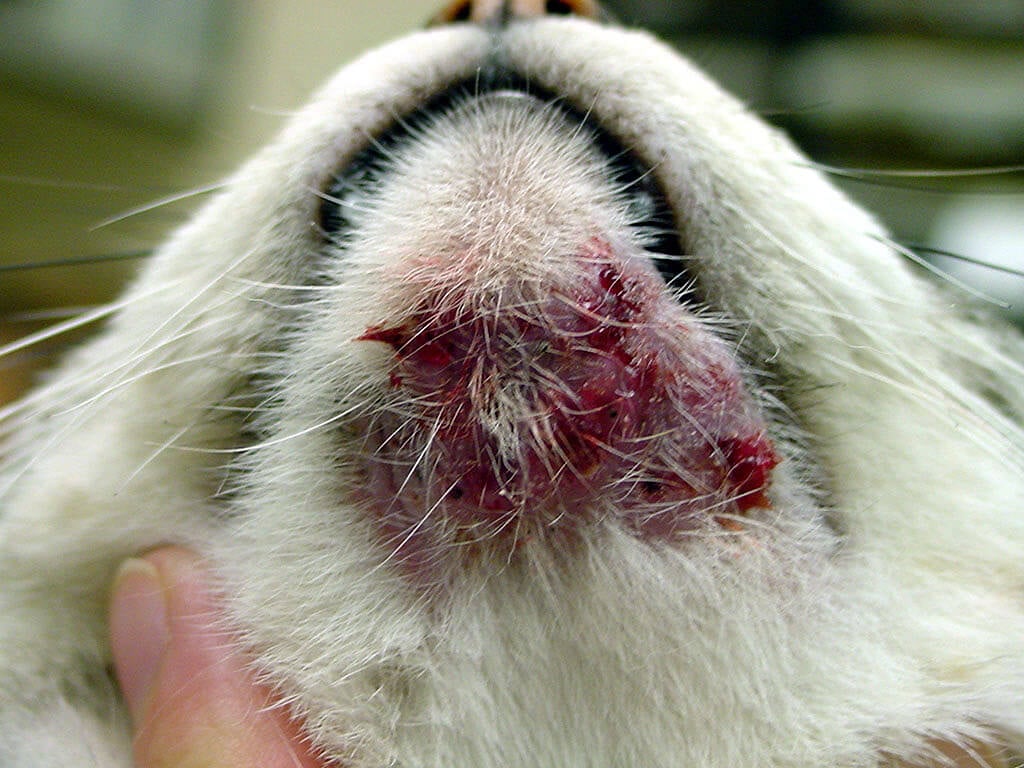
If your cat is injured or ill, avoid touching them in sensitive areas, including the chin. Consult with a veterinarian for appropriate care and handling instructions.
When Your Cat is Eating or Grooming
Avoid interrupting your cat while they are eating or grooming. These activities are essential for their well-being, and disturbing them can cause stress or anxiety.
The Benefits of Chin Scratches for Both Cat and Owner
The act of scratching your cat’s chin is not only a pleasurable experience for your feline friend but also a rewarding interaction for you. It strengthens the bond between you and your cat, reduces stress, and promotes a sense of well-being for both parties.
Strengthening the Human-Animal Bond
Chin scratches are a form of communication that fosters a deeper connection between you and your cat. This shared experience of affection and trust strengthens the bond between you, creating a sense of companionship and mutual understanding.
Reducing Stress and Anxiety
The act of petting and scratching your cat can have a calming effect on both you and your feline friend. Studies have shown that interacting with pets can lower blood pressure and reduce levels of stress hormones. For cats, chin scratches provide a sense of security and comfort, reducing anxiety and promoting relaxation.
Promoting Overall Well-Being
Regular interactions with your cat, including chin scratches, contribute to their overall well-being. These positive interactions promote mental and physical health, leading to a happier and healthier cat.
Conclusion
The simple act of scratching your cat’s chin is a powerful expression of affection and a means of strengthening the bond between you. By understanding the science behind this behavior and perfecting your technique, you can provide your feline friend with moments of pure bliss. So, the next time your cat approaches you with a gentle head nudge, remember the power of the chin scratch and enjoy the shared moment of tranquility.
“`