The Mythical “Cabbit” and the Realities of Interspecies Breeding: Why Dogs and cats Won’t Have Offspring
The image of a “cabbit,” a creature blending canine and feline features, has long captured the imagination. From folklore to internet memes, the idea of a dog-cat hybrid persists, fueled by a desire to witness the impossible. However, the biological realities of reproduction firmly debunk this myth. This article will delve into the reasons why dogs and cats cannot produce offspring, exploring the intricacies of genetics, reproductive biology, and the fundamental differences that separate these beloved companion animals.
The Genetic Gulf: A Chasm of Chromosomes
The most significant barrier to dog-cat hybrids lies in their vastly different genetic makeup. Chromosomes, the structures that carry genetic information, are not interchangeable between species. Dogs possess 78 chromosomes, while cats have only 38. This stark difference renders successful fertilization and embryonic development impossible.

Chromosome Incompatibility: During fertilization, the sperm and egg must combine their chromosomes to create a viable embryo. The vastly different number and structure of chromosomes in dogs and cats prevent this crucial step. The genetic material simply cannot align and function together.
Reproductive Biology: A Clash of Systems
Beyond genetics, the reproductive systems of dogs and cats are fundamentally different, further hindering the possibility of hybridization.
Estrus Cycles: Cats are seasonally polyestrous, meaning they have multiple estrus cycles (heat periods) during specific times of the year. Dogs, on the other hand, typically have one or two estrus cycles per year. These differences in timing and hormonal regulation make successful mating and fertilization highly improbable.
The Evolutionary Divide: Millions of Years of Separation
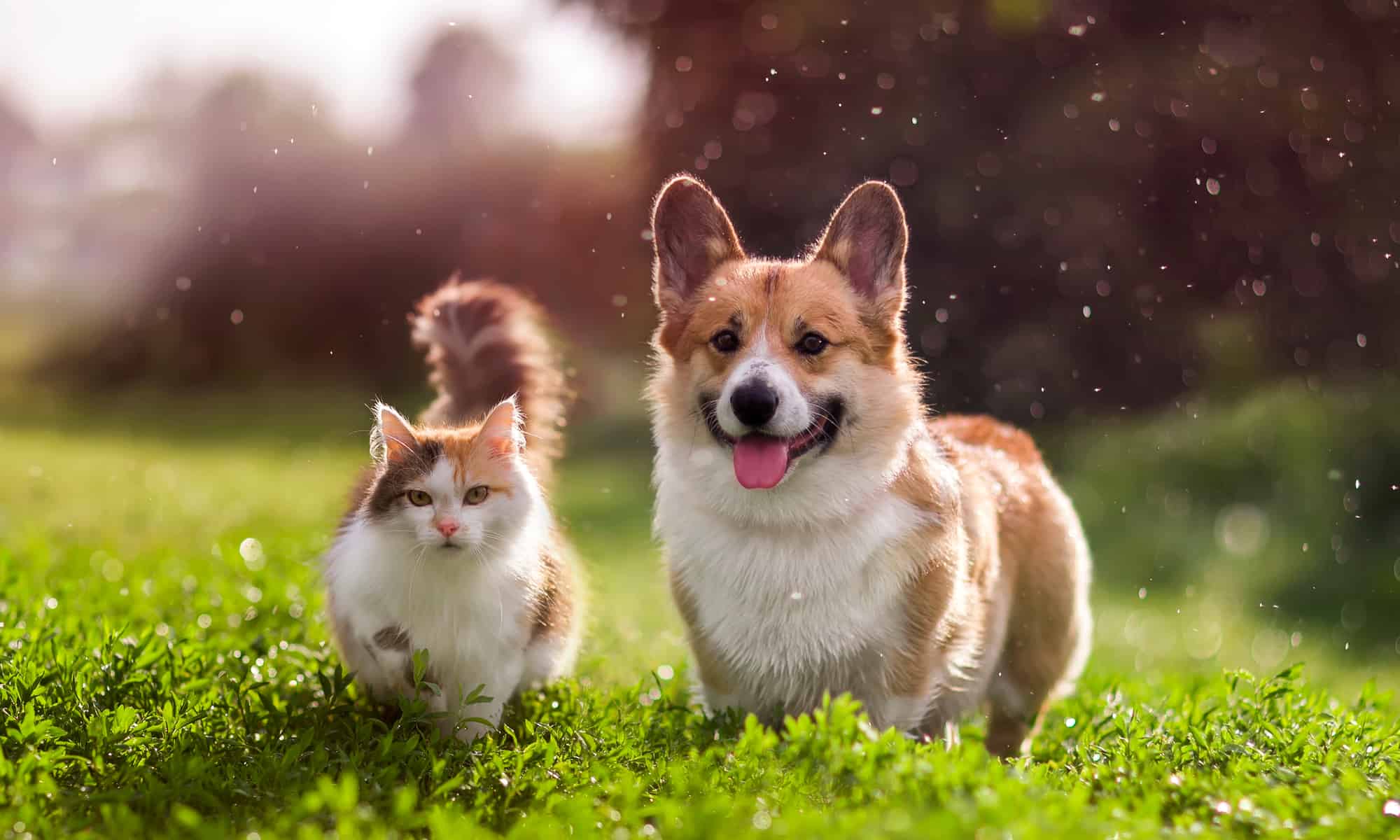
Dogs and cats, while both domesticated mammals, diverged on the evolutionary tree millions of years ago. Their last common ancestor existed tens of millions of years ago. This vast evolutionary separation has resulted in significant differences in their anatomy, physiology, behavior, and genetics.
Feliformia and Caniformia: Cats belong to the suborder Feliformia, which also includes hyenas and civets. Dogs belong to the suborder Caniformia, which includes bears, seals, and wolves. These distinct lineages reflect their long and separate evolutionary journeys.
The Appeal of the Myth: Why the “Cabbit” Persists
Despite the scientific evidence against it, the myth of the dog-cat hybrid continues to fascinate. Several factors contribute to its enduring appeal:
Anthropomorphism: Humans have a tendency to anthropomorphize animals, attributing human-like qualities and emotions to them. This can lead to the belief that animals are more similar to each other than they actually are.
Hybridization in the Animal Kingdom: The Rare Exceptions
While dog-cat hybrids are impossible, hybridization does occur in other animal species. However, these hybrids typically occur between closely related species within the same genus.
Ligers and Tigons: These hybrids are the result of mating between lions and tigers. They can occur because lions and tigers belong to the same genus, Panthera.
These examples highlight the importance of genetic proximity for successful hybridization. Even within the same genus, hybrids are often infertile, further demonstrating the challenges of crossing species barriers.
Understanding the Importance of Species Boundaries
The inability of dogs and cats to produce offspring underscores the importance of species boundaries. These boundaries are not arbitrary; they reflect the complex interplay of genetics, evolution, and reproductive biology.
Maintaining Genetic Diversity: Species boundaries help to maintain genetic diversity within populations. This diversity is essential for adaptation and survival.
Conclusion: Embracing the Unique Qualities of Dogs and Cats
The myth of the “cabbit” serves as a reminder of the human fascination with the natural world and the desire to explore the boundaries of possibility. While the idea of a dog-cat hybrid is captivating, it is ultimately a product of imagination, not reality.
Instead of focusing on the impossible, we can appreciate the unique qualities and characteristics that make dogs and cats such beloved companions. Their distinct personalities, behaviors, and evolutionary histories are a testament to the diversity and wonder of the animal kingdom.
Understanding the biological realities of reproduction helps us to appreciate the intricate mechanisms that govern life and the importance of species boundaries. By embracing the unique qualities of dogs and cats, we can foster a deeper appreciation for the natural world and the diverse creatures that inhabit it.