The Furry Face-Off: Diving Deep into the Dogs vs. cats Kaggle Competition
The Kaggle “Dogs vs. Cats” competition, a seemingly simple image classification task, has become a legendary stepping stone for aspiring data scientists and machine learning enthusiasts. Its deceptively straightforward premise – distinguishing between images of dogs and cats – masks a wealth of learning opportunities, from basic image preprocessing to sophisticated convolutional neural network (CNN) architectures. This article will delve into the competition’s intricacies, exploring the challenges, solutions, and lasting impact it has had on the machine learning community.
The task itself is clear: given a dataset of labeled images, build a model that can accurately predict whether an image contains a dog or a cat. However, the apparent simplicity quickly dissolves upon closer inspection. The dataset, while relatively large for its time, presents several challenges:
Data Variability: A Kaleidoscope of Breeds and Poses
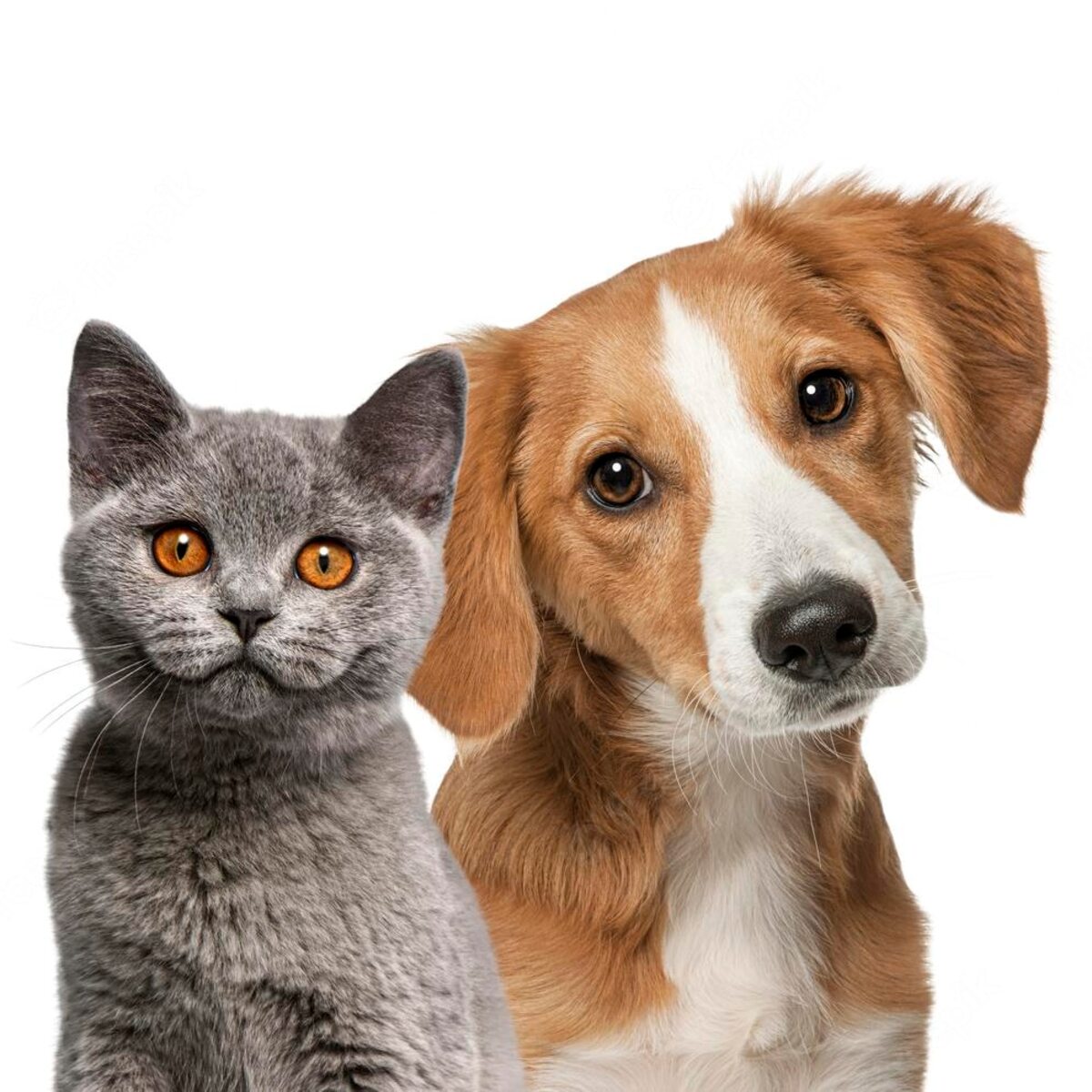
The images within the dataset showcase a vast range of dog and cat breeds, each with distinct features. This variability necessitates a robust model capable of generalizing across different breeds.
Limited Training Data: Balancing Generalization and Overfitting
While the dataset is substantial, it’s still relatively small compared to modern image classification datasets. This necessitates careful consideration of overfitting, where the model performs well on the training data but poorly on unseen data.
Computational Resources: Navigating Hardware Limitations
Training deep learning models, particularly CNNs, requires significant computational resources. Participants often faced limitations in terms of GPU availability and processing power.
The “Dogs vs. Cats” competition served as a fertile ground for experimentation, leading to the development and refinement of numerous machine learning techniques.
Data Preprocessing: Laying the Foundation for Success
Image Resizing and Normalization: Standardizing image sizes and normalizing pixel values are essential steps to ensure consistent input for the model.
Convolutional Neural Networks (CNNs): The Backbone of Image Classification
Custom CNN Architectures: Participants experimented with various CNN architectures, designing custom networks tailored to the specific characteristics of the dataset.
Optimization Techniques: Fine-Tuning for Optimal Performance
Learning Rate Scheduling: Adjusting the learning rate during training helped to optimize the model’s convergence and prevent overfitting.

The “Dogs vs. Cats” competition has had a profound impact on the machine learning community, serving as a valuable learning experience and driving innovation in image classification.
Educational Value: A Stepping Stone for Aspiring Data Scientists
The competition provided a practical platform for learning fundamental concepts in image classification, CNNs, and deep learning.
Technological Advancements: Driving Progress in Image Classification
The competition spurred the development and refinement of various image classification techniques, particularly in the area of CNNs.
Community Building: Fostering Collaboration and Knowledge Sharing
The Kaggle platform facilitated a vibrant community of data scientists and machine learning enthusiasts.
The “Dogs vs. Cats” competition offered valuable lessons for anyone working in the field of image classification.
The Importance of Data Preprocessing: A Foundation for Success
Effective data preprocessing is crucial for achieving high performance in image classification tasks.
The Power of Convolutional Neural Networks: A Dominant Architecture
CNNs have proven to be highly effective for image classification tasks.
The Value of Ensemble Methods: Combining Strengths for Better Results
The Significance of Computational Resources: Navigating Hardware Limitations
Computational resources play a crucial role in training deep learning models.
The “Dogs vs. Cats” competition may have concluded, but its legacy continues to influence the field of machine learning. It serves as a testament to the power of practical learning, the importance of community collaboration, and the transformative potential of deep learning. This competition, in its simplicity, offered a doorway to a much larger world of machine learning, and many people have walked through that door to become experts in image classification and other AI fields.