The Comprehensive Guide to cat Litter: Navigating the World of Kitty Comfort
Choosing the right cat litter can feel like navigating a minefield. With countless options available, each promising superior odor control, clumping, and ease of use, it’s easy to become overwhelmed. However, selecting the perfect litter is crucial for both your cat’s comfort and your own sanity. This comprehensive guide will delve into the various types of cat litter, their pros and cons, and provide tips for making the best choice for your furry friend.
Understanding Your Cat’s Needs
Before diving into the specifics of different litters, it’s essential to understand your cat’s inherent needs. Cats are fastidious creatures, and their litter box experience plays a significant role in their overall well-being. A clean, comfortable, and appropriately textured litter can encourage proper elimination habits and prevent litter box aversion.
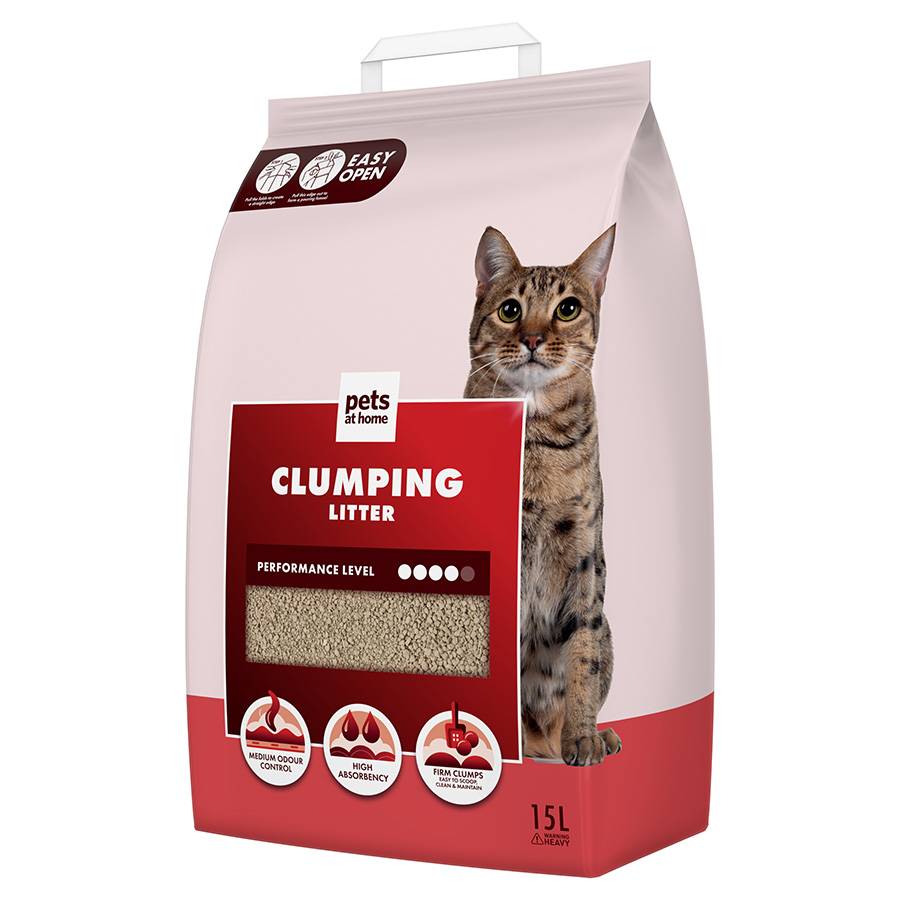
Pets at Home Clumping Cat Litter
Key Considerations When Choosing Cat Litter:
Clumping vs. Non-Clumping: Clumping litters form solid clumps when wet, making scooping easier. Non-clumping litters absorb moisture but require more frequent changes.
Odor Control: Effective odor control is vital for maintaining a pleasant environment.
Dust Levels: Dusty litters can irritate both cats and humans, especially those with respiratory sensitivities.
Texture and Particle Size: Cats have preferences for litter texture. Some prefer fine, sandy litters, while others prefer larger granules.
Environmental Impact: Consider the sustainability of the litter material and its disposal.
Cost: Litter prices vary significantly, so finding a balance between quality and affordability is essential.
Exploring the Diverse World of Cat Litter:
Clay Litter: The Traditional Choice
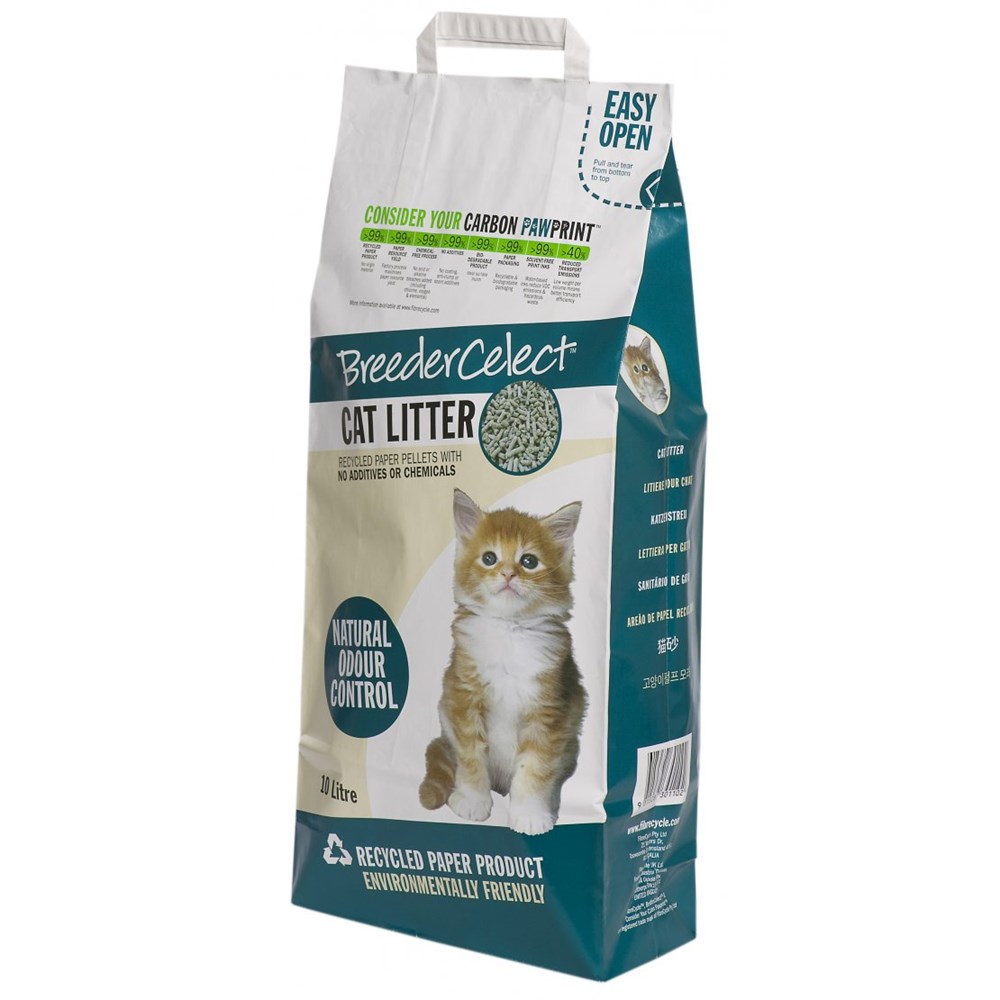
Breeder Celect Cat Litter L
Clay litter, specifically bentonite clay, has been a staple in cat households for decades.
Clumping Clay Litter
Pros:
Excellent clumping ability, making scooping easy.
Relatively inexpensive.
Widely available.
Cons:
Can be very dusty, posing respiratory risks.
Heavy and difficult to transport.
Non-biodegradable, contributing to landfill waste.
Some cats dislike the fine dust.
Non-Clumping Clay Litter
Pros:
More affordable than clumping clay.
Good absorption.
Cons:
Requires frequent complete changes.
Poor odor control compared to clumping varieties.
Very dusty.
Heavy and non-biodegradable.
Silica Gel Litter: Crystal Clear Convenience
Silica gel litter, also known as crystal litter, is made from silica dioxide, a porous material that absorbs moisture and odors.
Silica Gel Litter
Pros:
Excellent odor control.
Low dust levels.
Long-lasting, requiring less frequent changes.
Visually changes color as it absorbs urine.
Cons:
Can be expensive.
Some cats dislike the texture.
Not biodegradable.
Can be dangerous if ingested in large quantities.
Natural Litter: Eco-Friendly Options
Natural litters are gaining popularity as pet owners become more environmentally conscious.
Pine Litter
Pros:
Made from renewable pine wood.
Good odor control, with a natural pine scent.
Low dust levels.
Available in pellets or shavings.
Cons:
Pellet form may not be preferred by all cats.
Can be tracked outside the litter box.
Pellets can break down into fine dust over time.
Corn Litter
Pros:
Made from renewable corn kernels.
Biodegradable and compostable.
Good clumping ability.
Relatively low dust.
Cons:
Can attract pests, such as moths and rodents.
May have a slightly sweet odor that some cats dislike.
Can mold if left moist.
Walnut Litter
Pros:
Made from ground walnut shells.
Biodegradable and compostable.
Good odor control.
Relatively low dust.
Dark color can hide waste.
Cons:
Can be more expensive than some other options.
Some cats dislike the texture.
Dark color can stain light colored fur or surfaces.
Paper Litter
Pros:
Made from recycled paper.
Biodegradable and compostable.
Low dust levels.
Good for cats with respiratory issues.
Cons:
Poor odor control.
Does not clump well.
Can become soggy and messy.
Wheat Litter
Pros:
Biodegradable and compostable.
Clumping ability.
Relatively low dust.
Cons:
Can attract pests.
Can develop a strong odor.
Specialty Litters: Addressing Specific Needs
Scented vs. Unscented Litter
Scented litters mask odors but can be irritating to cats and humans with sensitivities. Unscented litters rely on the litter’s natural odor-absorbing properties.
Litter for Kittens
Kitten litters are often made from finer materials and are dust-free to protect delicate respiratory systems. Avoid clumping litters for very young kittens, as they may ingest them.
Litter for Older Cats
Older cats may benefit from softer litters that are gentle on their paws. Consider litters with lower sides for easier access.
Litter for Cats with Allergies
Dust-free and hypoallergenic litters are essential for cats with allergies. Natural litters like paper or walnut can be good options.
Tips for a Successful Litter Box Experience:
Placement: Place the litter box in a quiet, accessible location away from food and water.
Number of Litter Boxes: The general rule is one litter box per cat, plus one extra.
Scooping: Scoop the litter box daily to remove waste and maintain hygiene.
Cleaning: Thoroughly clean the litter box at least once a week with mild soap and water.
Litter Depth: Maintain a litter depth of 2-3 inches.
Gradual Transition: When changing litter, gradually introduce the new litter by mixing it with the old litter over several days.
Observe Your Cat’s Behavior: Pay attention to your cat’s litter box habits and preferences. If they avoid the litter box, consider trying a different type of litter.
Conclusion:
Choosing the right cat litter is a personal decision that depends on your cat’s needs, your lifestyle, and your preferences. By understanding the different types of litter available and considering the key factors discussed in this guide, you can create a comfortable and hygienic litter box experience for your feline companion. Remember that patience and observation are key to finding the perfect litter that both you and your cat will love.