“`html
The Art of the Dog and cat Nap: A Comprehensive Guide
The Art of the Dog and Cat Nap: A Comprehensive Guide
The gentle rise and fall of a furry chest, the soft snore, the twitching paws – the sight of a dog or cat napping is a universal symbol of peace and contentment. But beyond the adorable facade lies a complex and fascinating world of sleep, tailored to the unique needs of our canine and feline companions. This comprehensive guide delves into the intricate details of dog and cat naps, exploring their biological underpinnings, behavioral nuances, and practical implications for pet owners.
The Biological Rhythms of Sleep
Both dogs and cats are polyphasic sleepers, meaning they engage in multiple sleep cycles throughout the day. This contrasts with humans, who are typically monophasic, consolidating their sleep into one extended period at night. This polyphasic sleep pattern is deeply rooted in their evolutionary history, shaped by their roles as predators and prey.
Circadian Rhythms and Sleep Architecture

Like humans, dogs and cats possess circadian rhythms, internal biological clocks that regulate their sleep-wake cycles. However, their circadian rhythms are more flexible, allowing them to adapt to changing environmental cues and individual needs. This flexibility is crucial for animals that rely on opportunistic hunting and foraging.
The sleep architecture of dogs and cats is also distinct. They experience shorter sleep cycles than humans, typically lasting between 20 and 30 minutes. These cycles consist of various stages, including light sleep, deep sleep, and REM (rapid eye movement) sleep. During REM sleep, dogs and cats may twitch, vocalize, or even appear to be running in their dreams. These behaviors are indicative of active brain processing and are a normal part of their sleep cycle.
The Nuances of Dog Naps
Dogs, as social animals, often synchronize their sleep patterns with their human companions. They are also highly adaptable, capable of napping in various locations and positions, depending on their comfort level and the surrounding environment.
Factors Influencing Dog Naps
Several factors influence the frequency and duration of dog naps, including age, breed, activity level, and health status.
Age
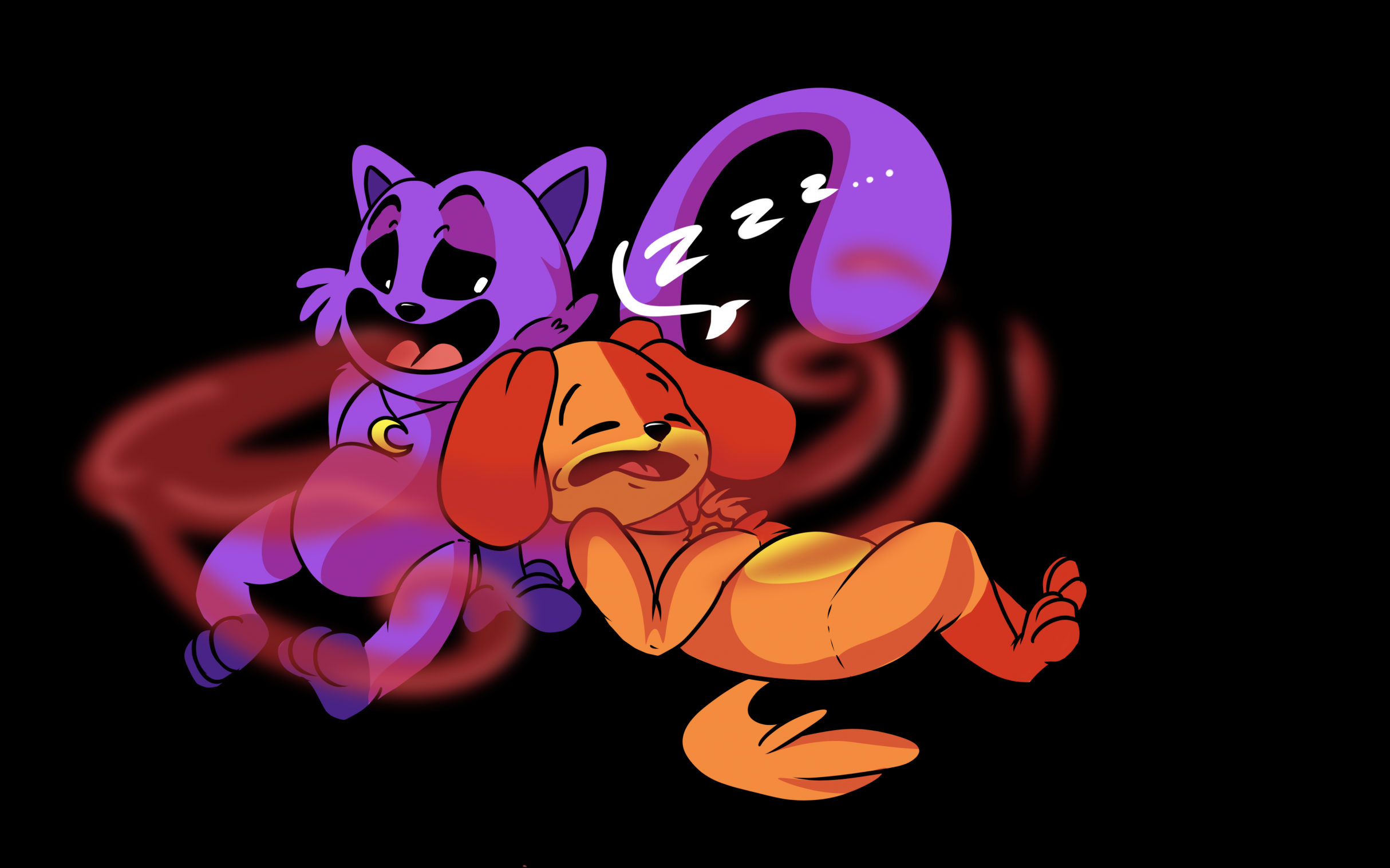
Puppies and senior dogs tend to sleep more than adult dogs. Puppies require ample sleep for growth and development, while senior dogs may experience increased fatigue due to age-related changes.
Breed
Certain breeds, such as bulldogs and basset hounds, are known for their propensity to nap. This may be attributed to their genetic predispositions or their lower energy levels.
Activity Level
Dogs that engage in high levels of physical activity, such as working dogs or sporting breeds, may require more frequent naps to recover from exertion.
Health Status
Underlying health conditions, such as pain, illness, or anxiety, can disrupt a dog’s sleep patterns and lead to excessive napping or insomnia.
The Ideal Dog Nap Environment
Creating a comfortable and conducive environment for dog naps is essential for their well-being. This includes providing a quiet, safe, and temperature-controlled space where they can rest undisturbed.
Comfortable Bedding
A soft and supportive bed is crucial for a restful nap. The bed should be appropriately sized for the dog and placed in a location where they feel secure.
Quiet and Safe Space
Minimizing distractions, such as loud noises or excessive activity, can help dogs fall asleep more easily and sleep more soundly.
Temperature Control
Maintaining a comfortable temperature is essential for optimal sleep. Dogs can overheat or become chilled easily, so it’s important to provide adequate ventilation and temperature regulation.
The Enigmatic Cat Nap
Cats are renowned for their ability to nap anytime, anywhere. This remarkable adaptability is a testament to their evolutionary heritage as solitary hunters, requiring them to conserve energy and remain vigilant.
The Feline Sleep Cycle
Cats are masters of the cat nap, often engaging in short bursts of sleep throughout the day. These brief naps, lasting from 15 to 30 minutes, allow them to recharge their batteries and remain alert to potential threats or opportunities.
Crepuscular Nature
Cats are crepuscular animals, meaning they are most active during dawn and dusk. This activity pattern is reflected in their sleep schedule, with increased periods of rest during the day and night.
Instinctive Vigilance
Even when napping, cats remain highly attuned to their surroundings. Their sensitive hearing and sense of smell allow them to detect subtle changes in their environment, enabling them to awaken quickly if necessary.
Creating the Perfect Cat Nap Sanctuary
Cats are discerning creatures, and they have specific preferences when it comes to their napping spots. Providing a variety of comfortable and secure locations can help them feel safe and relaxed.
Elevated Perches
Cats enjoy napping in elevated locations, such as shelves, window perches, or cat trees. These vantage points provide them with a sense of security and allow them to observe their surroundings.
Cozy Hideaways
Cats also appreciate having access to cozy hideaways, such as cardboard boxes, blankets, or enclosed beds. These spaces offer them a sense of privacy and security.
Sun-Drenched Spots
Cats are drawn to warm and sunny spots, making windowsills and sunbeams ideal napping locations. The warmth of the sun can help them relax and unwind.
The Benefits of Napping for Dogs and Cats
Napping plays a vital role in the physical and mental well-being of dogs and cats. It allows them to conserve energy, process information, and regulate their emotions.
Physical Benefits
Napping promotes muscle recovery, tissue repair, and immune system function. It also helps regulate body temperature and conserve energy.
Mental Benefits
Napping allows dogs and cats to process information, consolidate memories, and regulate their emotions. It can also help reduce stress and anxiety.
Recognizing Signs of Sleep Disorders
While napping is a normal and healthy behavior for dogs and cats, excessive napping or changes in sleep patterns can indicate underlying health issues. It’s important to be aware of the signs of sleep disorders and seek veterinary attention if necessary.
Excessive Napping
If a dog or cat is napping significantly more than usual, it could be a sign of fatigue, pain, or illness.
Insomnia
Difficulty falling asleep or staying asleep can be a sign of anxiety, stress, or underlying health conditions.
Changes in Sleep Patterns
Sudden changes in sleep patterns, such as increased restlessness or vocalization during sleep, can indicate neurological issues or other health problems.
Conclusion
The art of the dog and cat nap is a fascinating and complex subject, reflecting the unique biological and behavioral adaptations of our canine and feline companions. By understanding their sleep patterns and providing them with comfortable and conducive environments, we can help them enjoy the restorative benefits of napping and promote their overall well-being. Observing your dog or cat during their nap can also be a wonderful moment of connection, a silent testament to the bond you share.
“`