The Omnivorous Enigma: Unraveling the Dietary Flexibility of the Domestic cat
The domestic cat, Felis catus, an animal revered for its elegance, agility, and enigmatic independence, often presents a dietary puzzle. While widely perceived as a quintessential carnivore, a closer examination reveals a more nuanced reality: the cat, while primarily carnivorous, exhibits a remarkable degree of omnivorous flexibility. This article delves into the intricacies of feline nutrition, exploring the biological, behavioral, and evolutionary factors that contribute to this fascinating dietary adaptation.
A Digestive System Tailored for Protein
The cat’s digestive system is fundamentally designed for processing animal protein. Short intestinal tracts, high stomach acidity, and specialized enzyme production prioritize the efficient breakdown and absorption of nutrients from meat. Their dentition, characterized by sharp, pointed canines and carnassial molars, is perfectly suited for tearing and shredding flesh. These adaptations underscore the cat’s evolutionary lineage as a dedicated predator.
Essential Nutrients from Animal Sources

Cats possess specific nutritional requirements that can only be met through animal-derived sources. Taurine, an essential amino acid, is crucial for vision, heart function, and reproduction. Cats cannot synthesize taurine in sufficient quantities and must obtain it from meat. Similarly, arachidonic acid, an omega-6 fatty acid, and preformed vitamin A are readily available in animal tissues and are vital for feline health.
The Reliance on Hunting Instincts
The cat’s innate hunting instincts, honed over millennia, reflect its carnivorous heritage. Even domesticated cats retain a strong drive to stalk, chase, and capture prey. This behavior not only provides physical exercise but also satisfies a deeply ingrained biological need.
The Ingestion of Plant Matter
While meat forms the cornerstone of their diet, cats are not averse to consuming plant matter. This behavior, often observed in the wild and in domestic settings, serves various purposes. Grass consumption, for example, is thought to aid in digestion, induce vomiting to expel indigestible materials, or provide essential fiber.
Accidental or Intentional Consumption
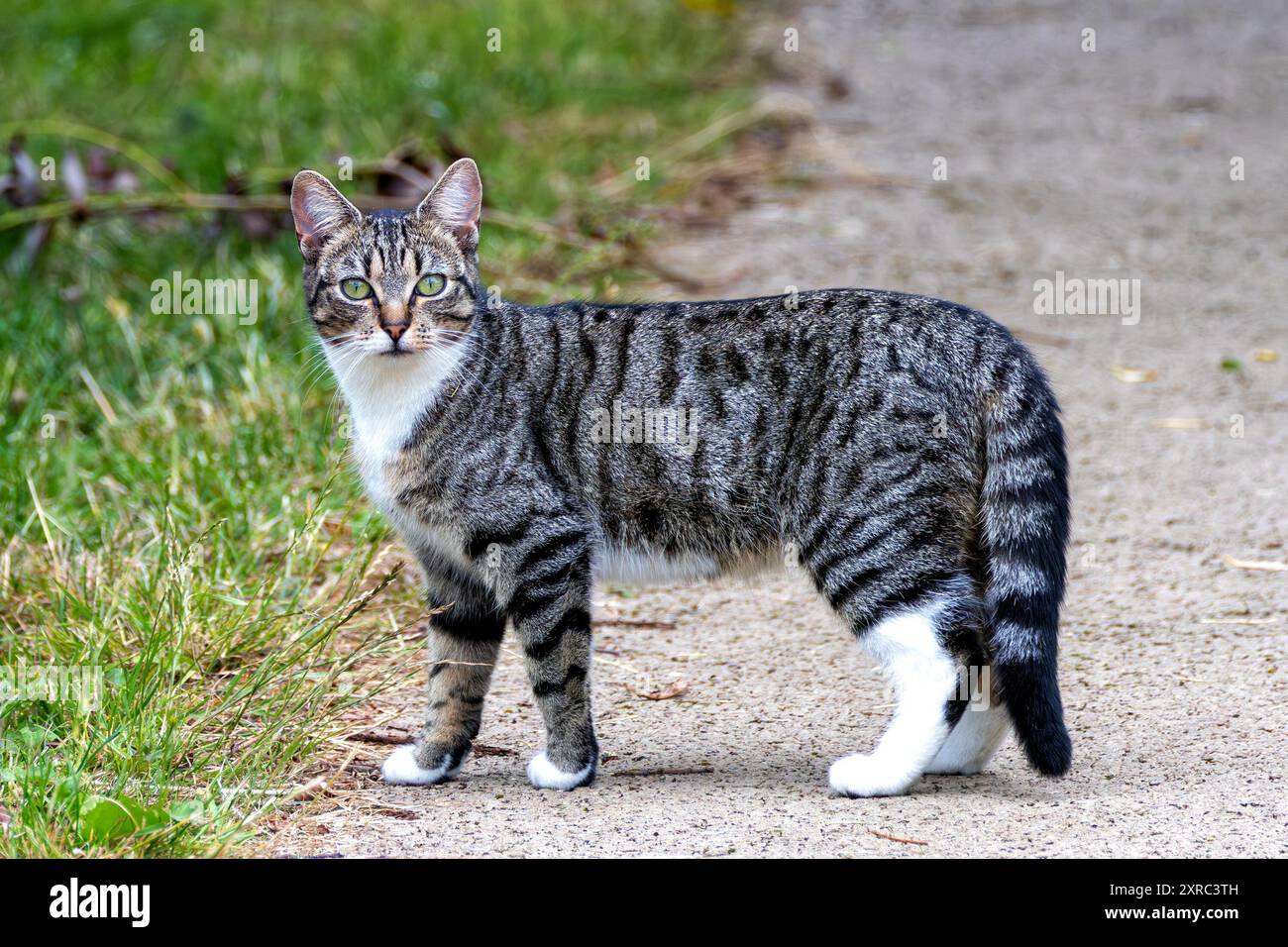
Some plant ingestion is likely accidental, occurring as cats consume the stomach contents of their prey. However, intentional consumption of fruits, vegetables, and grains suggests a degree of dietary flexibility. Domestic cats, particularly those fed commercial diets, often encounter and consume plant-based ingredients.
The Role of Taste and Texture
Cats, while lacking sweet taste receptors, possess a sophisticated sense of taste that allows them to discern different flavors and textures. This may explain their occasional interest in certain plant-based foods. Their texture sensitivity may also encourage cats to try various different kinds of foods.
Nutritional Supplementation and Digestion
In some cases small amounts of plant based products can supplement a cats diet, offering some vitamins and minerals. Cats have very specialized digestive systems, and cannot process the complex carbohydrates of plants as effectively as omnivores. Meaning large quantities of plant based products will cause digestive issues.
Adaptation to Diverse Environments
Cats have successfully colonized a wide range of habitats, from arid deserts to lush forests. This adaptability is partly attributed to their ability to exploit diverse food sources. In environments where prey availability fluctuates, the ability to supplement their diet with plant matter would have been advantageous.
The Influence of Domestication
Domestication has significantly impacted feline feeding habits. Domestic cats, reliant on their human caretakers for food, have adapted to a wider variety of dietary options. Commercially prepared cat food often contains plant-based ingredients, which cats have learned to tolerate and even consume willingly.
The Scavenging Nature of Wild Cats
Wild or feral cats must take what food is available. Small mammals, birds, and insects constitute their primary food source, but they will sometimes consume the remains of other animals, and those remains can contain plant material. This act of scavenging contributes to the cats ability to derive nutriment from a varied diet.
Understanding Nutritional Needs
Recognizing the cat’s primary carnivorous nature is crucial for responsible pet ownership. A diet rich in animal protein is essential for maintaining feline health. While occasional ingestion of plant matter may not be harmful, it should not replace the core components of a meat-based diet.
Commercial Cat Food Considerations
When selecting commercial cat food, it is important to prioritize products with high-quality animal protein sources. Pay attention to the ingredient list, ensuring that meat is listed as the primary ingredient. Be wary of products that rely heavily on grains or other plant-based fillers.
Avoiding Harmful Foods
Certain plant-based foods, such as onions, garlic, grapes, and raisins, are toxic to cats and should be avoided. It is essential to be aware of potential hazards and to provide a safe and nutritious environment for your feline companion.
Observing Individual Preferences
Cats, like humans, have individual preferences and sensitivities. Some cats may exhibit a greater interest in plant matter than others. It is important to observe your cat’s behavior and dietary responses to tailor their feeding regimen accordingly.
The domestic cat, while fundamentally a carnivore, demonstrates a fascinating degree of omnivorous flexibility. This dietary adaptation, influenced by evolutionary pressures, environmental factors, and the process of domestication, has allowed cats to thrive in diverse settings. By understanding the intricate interplay between the cat’s carnivorous core and its omnivorous tendencies, we can provide our feline companions with the optimal nutrition for a long and healthy life.