The Caracal: A Majestic Wild cat
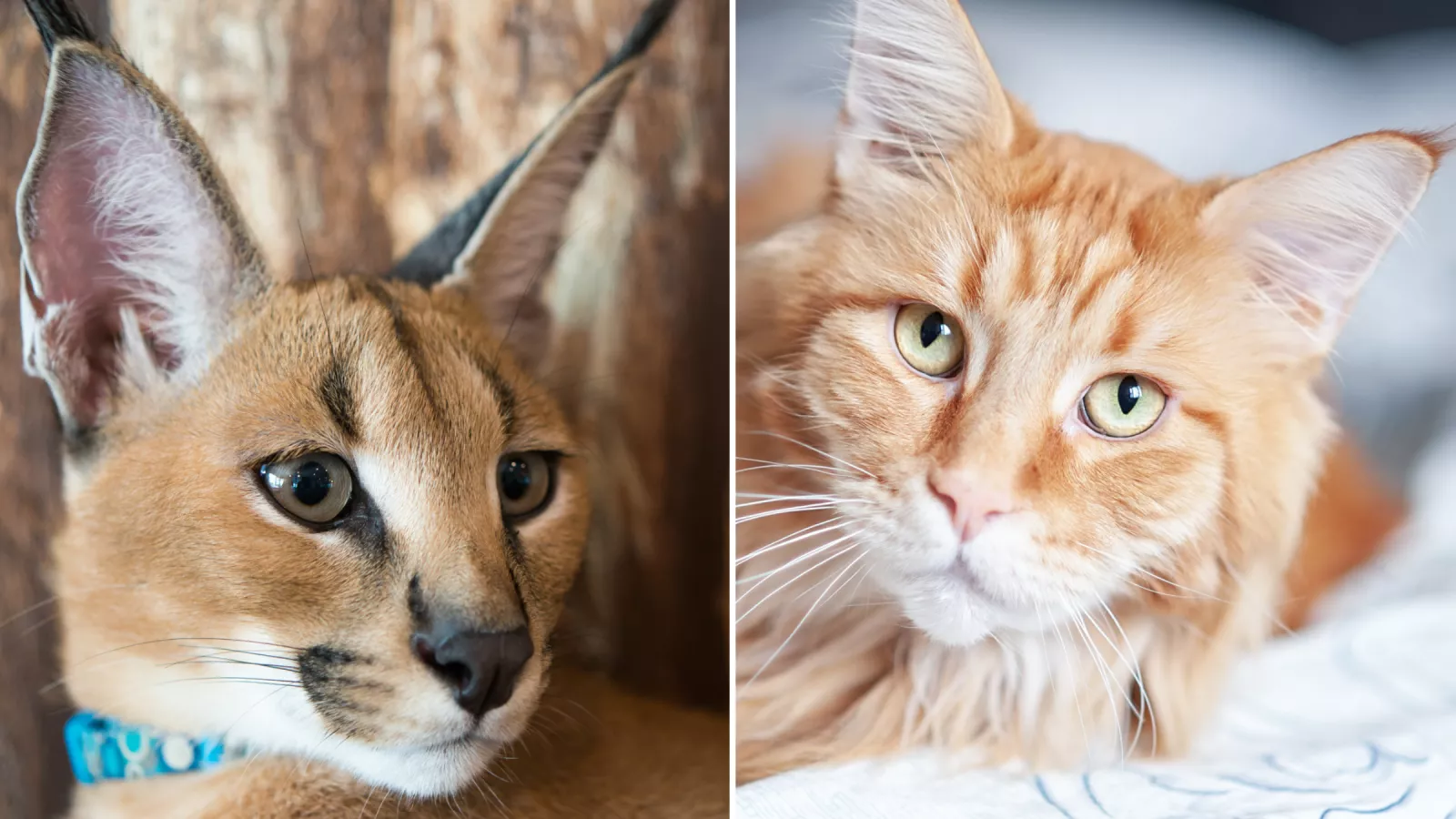
The caracal (Caracal caracal) is a captivating medium-sized wild cat native to Africa, the Middle East, Central Asia, and certain regions of India. Known for its distinctive tufted ears, robust build, and impressive hunting prowess, the caracal is a fascinating creature that continues to intrigue wildlife enthusiasts and researchers alike.
Physical Characteristics
The caracal possesses a striking appearance:

Tufted Ears: Perhaps the most recognizable feature, the caracal’s long, black ear tufts are a testament to its exceptional hearing. These tufts help to pinpoint the location of prey, even in dense vegetation.
Habitat and Distribution
Caracals exhibit a wide distribution across diverse habitats, including:
Arid and Semi-arid Regions: They thrive in deserts, savannas, scrublands, and grasslands.
Their range spans a vast area, encompassing:
Africa: Most of sub-Saharan Africa, excluding dense rainforests.
Hunting Behavior
The caracal is a skilled and opportunistic hunter:
Predatory Diet: Its diet primarily consists of small mammals such as rodents, rabbits, hares, and birds.
Social Behavior
Caracals are typically solitary animals, with males and females only coming together for breeding.
Territoriality: Both males and females establish and defend territories, which can vary in size depending on factors such as food availability and habitat quality.
Reproduction
Breeding Season: The breeding season varies depending on location and rainfall patterns.
Conservation Status
While not currently considered globally threatened, caracal populations face various threats, including:
Habitat Loss and Fragmentation: Due to human activities such as agriculture, urbanization, and infrastructure development, caracal habitats are shrinking and becoming increasingly fragmented.
Conservation Efforts
Several conservation efforts are underway to protect caracal populations:
Habitat Protection and Restoration: Establishing and managing protected areas, such as national parks and wildlife reserves, is crucial for conserving caracal habitats.
Conclusion
The caracal is a remarkable wild cat, adapted to survive in challenging environments. Its unique physical characteristics, hunting prowess, and elusive nature make it a captivating subject for wildlife enthusiasts and researchers alike. By addressing the threats facing caracal populations and implementing effective conservation strategies, we can ensure the continued survival of this magnificent feline for generations to come.