“`html
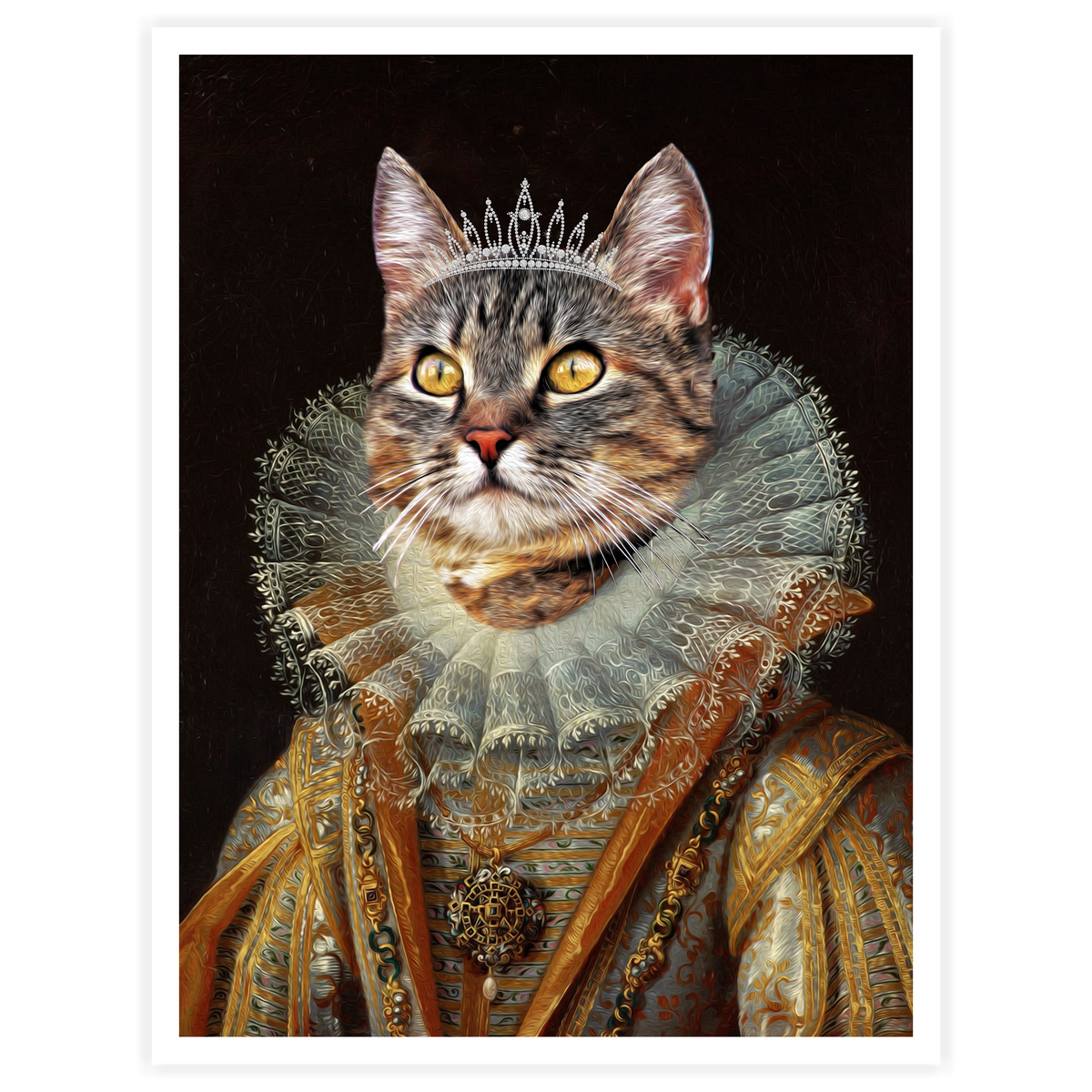
The Reign of the Feline Queen: A Comprehensive Look at cats
The Reign of the Feline Queen: A Comprehensive Look at Cats
Cats, those enigmatic creatures with their sleek fur, mesmerizing eyes, and independent spirits, have captivated humans for millennia. More than just household pets, they are woven into the fabric of our history, mythology, and even our scientific understanding of animal behavior. From ancient Egyptian deities to modern-day internet sensations, the cat’s influence is undeniable. This article delves into the multifaceted world of felines, exploring their evolution, behavior, breeds, and the unique bond they share with humans.
The Evolutionary Journey: From Wild Ancestors to Domestic Companions
The story of the domestic cat begins with its wild ancestor, Felis silvestris lybica, the African wildcat. Archaeological evidence suggests that the domestication process began around 10,000 years ago in the Fertile Crescent, a region known for its early agricultural development. As humans transitioned from nomadic hunter-gatherers to settled farmers, they began storing grain, which attracted rodents. These rodents, in turn, attracted wildcats, who found a readily available food source. Over time, a mutually beneficial relationship developed, with cats controlling rodent populations and humans providing a stable environment.
The Egyptian Cat: A Divine Symbol
Ancient Egypt played a crucial role in the cat’s domestication. Cats were revered as sacred animals, associated with the goddess Bastet, who represented protection, fertility, and home. Killing a cat, even accidentally, was considered a serious offense, punishable by death. Mummified cats have been discovered in vast numbers, indicating the deep respect and affection they held in Egyptian society. This reverence for cats likely contributed to their spread to other parts of the world, as Egyptian traders and travelers took these beloved animals with them.
The Spread of Cats: From Ancient Civilizations to Global Companions
From Egypt, cats spread to other parts of the Mediterranean and beyond, carried by sailors and merchants. The Roman Empire, in particular, played a significant role in disseminating cats throughout Europe. During the Middle Ages, cats were valued for their ability to control rodent populations, which helped to prevent the spread of diseases like the plague. However, superstition and fear also led to periods of persecution, with cats sometimes associated with witchcraft and evil.
Understanding Feline Behavior: A World of Nuances
Cats are known for their independent and enigmatic nature, but their behavior is far from random. Understanding feline communication and social dynamics is essential for building a strong bond with these fascinating creatures.
Communication: A Symphony of Signals
Cats communicate through a variety of vocalizations, body language, and scent marking. Meows, purrs, hisses, and growls all convey different messages. Body posture, tail movements, and ear positions also provide valuable clues to a cat’s emotional state. Scent marking, through scratching and urine spraying, is another important form of communication, used to establish territory and convey information about an individual’s identity and status.
Social Dynamics: Independent Yet Social

While cats are often perceived as solitary animals, they are capable of forming strong social bonds with humans and other cats. Feral cats often live in colonies, exhibiting complex social structures. Domestic cats may show affection through rubbing, grooming, and sleeping near their owners. Understanding a cat’s individual personality and social needs is crucial for creating a harmonious living environment.
Hunting Instincts: Play and Predation
Cats are natural predators, and their hunting instincts remain strong even in domesticated settings. Play is an essential part of a cat’s life, providing an outlet for these instincts. Toys that mimic prey, such as feathers and laser pointers, can help to satisfy a cat’s hunting drive and prevent boredom. However, it’s important to remember that cats are not simply miniature dogs. Their needs and behaviors are unique, requiring a different approach to training and care.
The Diverse World of Cat Breeds: A Spectrum of Personalities
Over centuries, selective breeding has resulted in a wide variety of cat breeds, each with its own distinct physical characteristics and personality traits. From the sleek and elegant Siamese to the fluffy and affectionate Persian, there’s a cat breed to suit every preference.
Popular Breeds: A Glimpse into Diversity
Some of the most popular cat breeds include:
Siamese: Vocal and Social
Known for their striking blue eyes, pointed markings, and vocal nature, Siamese cats are highly social and affectionate.
Persian: Gentle and Luxurious
With their long, flowing fur and gentle temperament, Persians are a popular choice for those seeking a lap cat.
Maine Coon: The Gentle Giant
The largest domestic cat breed, Maine Coons are known for their friendly and playful personalities.
Ragdoll: Relaxed and Affectionate
Ragdolls are known for their docile nature and tendency to go limp when held, hence their name.
Bengal: Energetic and Exotic
With their distinctive spotted coat and athletic build, Bengals are a highly active and intelligent breed.
Choosing the Right Breed: Considerations for Compatibility
When choosing a cat breed, it’s essential to consider your lifestyle, living space, and personality. Some breeds are more active and require more attention than others. Researching different breeds and talking to breeders or rescue organizations can help you find the perfect feline companion.
The Human-Cat Bond: A Mutual Affection
The bond between humans and cats is a unique and enduring relationship. Cats provide companionship, affection, and entertainment, while humans offer food, shelter, and care. This mutual affection has been documented throughout history and continues to be a source of joy and comfort for millions of people around the world.
Benefits of Cat Ownership: Physical and Emotional Well-being
Studies have shown that cat ownership can have numerous benefits for human health, including reducing stress, lowering blood pressure, and improving mood. Cats can also provide companionship for people who live alone or who are elderly.
Responsible Cat Ownership: Providing a Loving Home
Responsible cat ownership involves providing a safe and stimulating environment, regular veterinary care, and a healthy diet. It also means understanding a cat’s needs and respecting its individual personality. Adopting a cat from a shelter or rescue organization can provide a loving home for a deserving animal.
The Future of Cats: Adapting to a Changing World
As our world continues to evolve, cats will likely adapt and thrive alongside humans. From advancements in veterinary medicine to the increasing use of technology in pet care, the future of cats looks bright. Understanding their needs, respecting their unique nature, and fostering a strong bond will ensure that cats continue to be cherished companions for generations to come.
“`