“`html
The Heartbeat of Hope: A Deep Dive into Animal cat Shelters
The Heartbeat of Hope: A Deep Dive into Animal Cat Shelters
The gentle purr of a contented cat, the soft padding of paws on a cool tile floor, the playful batting of a toy – these are the sounds and sights that fill a cat shelter. But behind the serene facade lies a complex and often challenging world, driven by compassion and dedication. Animal cat shelters are more than just temporary housing; they are lifelines for countless felines, offering refuge, rehabilitation, and a second chance at a loving home. This article delves into the multifaceted world of cat shelters, exploring their operations, challenges, and the profound impact they have on both cats and communities.
The Intake Process: A Gateway to Second Chances
The journey of a cat into a shelter often begins with a story of abandonment, neglect, or unforeseen circumstances. Intake is the initial stage, a critical juncture where the cat’s physical and emotional state is assessed. Shelters typically handle intakes from various sources:
Stray Cats: Survivors of the Streets
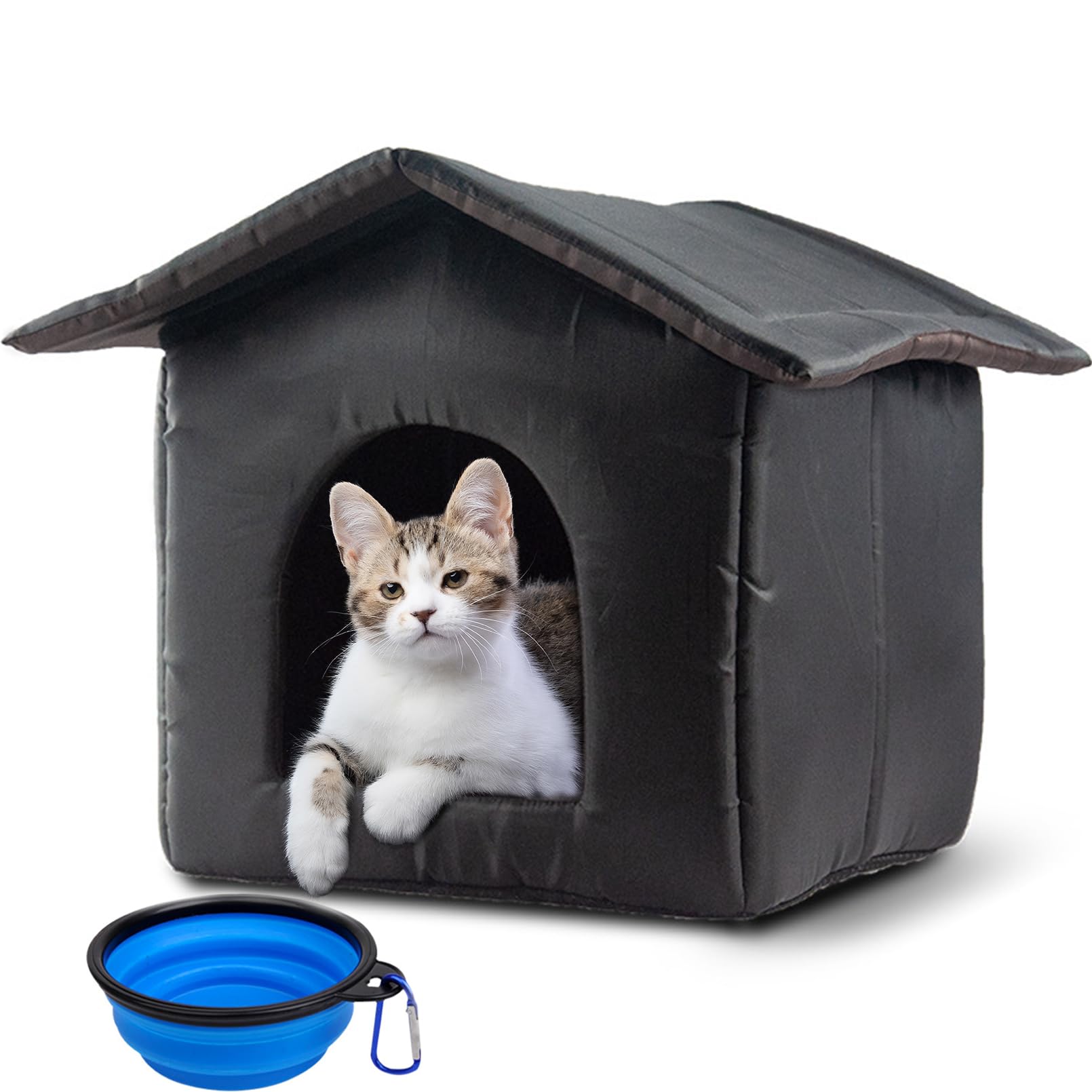
Many cats arrive as strays, found wandering the streets, often malnourished, injured, or suffering from untreated illnesses. Volunteers and animal control officers play a crucial role in rescuing these vulnerable animals. Upon arrival, a thorough veterinary examination is conducted to determine their health status. This includes checking for parasites, infections, and any visible injuries. Microchipping is scanned to identify potential owners, and if no owner is found, the cat enters the shelter’s care.
Owner Surrenders: Heartbreaking Decisions
Sometimes, owners are forced to surrender their cats due to unforeseen circumstances such as financial hardship, moving, allergies, or changes in living situations. These surrenders can be emotionally taxing for both the owners and shelter staff. It’s crucial for shelters to approach these situations with empathy and understanding, recognizing the difficult choices individuals may face. A detailed history of the cat’s behavior and medical records is gathered to facilitate their transition and future adoption.
Rescue Transfers: Collaborative Efforts

Shelters often collaborate with other rescue organizations, transferring cats from high-intake facilities to shelters with more resources and adoption opportunities. This network of collaboration is vital in managing overpopulation and ensuring that cats have the best possible chance of finding a home. Rescue transfers require careful coordination and planning, ensuring the safe transport and smooth integration of cats into their new environment.
The Shelter Environment: Creating a Safe Haven
The physical environment of a cat shelter plays a significant role in the well-being of its residents. Shelters strive to create a safe, clean, and stimulating environment that minimizes stress and promotes health. Key aspects of a well-designed shelter include:
Housing and Sanitation: Maintaining Hygiene
Individual or communal housing options are used, depending on the shelter’s resources and the cat’s temperament. Regular cleaning and disinfection are essential to prevent the spread of diseases. Proper ventilation and temperature control contribute to a comfortable and healthy environment. Litter boxes are strategically placed and regularly cleaned to maintain hygiene. Shelters often utilize specialized cleaning products and protocols to minimize the risk of infections.
Enrichment and Socialization: Fostering Well-being
Cats are naturally curious and playful creatures. Shelters provide enrichment through toys, scratching posts, climbing structures, and interactive play sessions. Socialization is crucial for cats, especially those who have experienced trauma or neglect. Volunteers often spend time interacting with the cats, providing affection and building trust. Socialization helps cats become more adaptable and increases their chances of adoption.
Veterinary Care: Ensuring Health and Wellness
Access to quality veterinary care is paramount. Shelters work with veterinarians to provide vaccinations, deworming, flea and tick prevention, and treatment for illnesses and injuries. Spaying and neutering are essential components of population control and are performed on all cats before adoption. Shelters may also provide specialized care for cats with chronic conditions or disabilities. The veterinarian team is vital for the overall health and well-being of the shelter population.
The Adoption Process: Matching Cats with Forever Homes
The ultimate goal of a cat shelter is to find loving, permanent homes for its feline residents. The adoption process is carefully designed to ensure a successful match between cats and adopters. Key steps in the adoption process include:
Application and Screening: Finding the Right Fit
Potential adopters are required to complete an application, providing information about their lifestyle, experience with cats, and home environment. Shelter staff review applications and conduct interviews to assess the suitability of potential adopters. Background checks and reference checks may also be conducted. The goal is to ensure that the adopter can provide a safe and loving home for the cat.
Meet and Greet: Building Connections
Potential adopters are encouraged to spend time with the cats they are interested in adopting. This allows them to observe the cat’s personality and temperament and to build a connection. Shelter staff provide information about each cat’s history, behavior, and medical needs. The meet and greet is a crucial step in ensuring a successful match.
Adoption Counseling and Follow-up: Providing Support
Shelters provide adoption counseling to help adopters prepare for their new feline companion. This includes information about cat care, behavior, and health. Follow-up calls and emails are conducted to ensure that the adoption is going smoothly and to address any concerns. Shelters often provide ongoing support and resources to adopters. The adoption process is designed to be a supportive and informative experience.
Challenges Faced by Cat Shelters: Overcoming Obstacles
Despite their dedication, cat shelters face numerous challenges that impact their ability to provide care and find homes for cats. These challenges include:
Overpopulation: A Persistent Issue
Overpopulation is a significant challenge for cat shelters. The number of cats entering shelters often exceeds the available resources and adoption rates. This can lead to overcrowding, increased stress, and the spread of diseases. Spaying and neutering programs are crucial in addressing overpopulation. Shelters often collaborate with community organizations to provide low-cost spay and neuter services.
Funding and Resources: Sustaining Operations
Operating a cat shelter requires significant financial resources to cover the costs of veterinary care, food, supplies, and staff. Many shelters rely on donations and fundraising events to sustain their operations. Securing adequate funding is a constant challenge. Shelters often seek grant opportunities and engage in community outreach to raise awareness and support.
Volunteer Recruitment and Retention: Building a Team
Volunteers play a vital role in the daily operations of cat shelters. Recruiting and retaining volunteers can be challenging. Shelters often develop volunteer programs that provide training, support, and recognition. Building a strong and dedicated volunteer team is essential for providing quality care to the cats.
Public Awareness and Education: Changing Perceptions
Raising public awareness about the importance of adoption, spaying and neutering, and responsible pet ownership is crucial. Shelters often engage in community outreach and education programs to change perceptions and promote adoption. Collaborating with media outlets and social media platforms can help reach a wider audience.
The Impact of Cat Shelters: A Ripple Effect
Cat shelters have a profound impact on both cats and communities. They provide a lifeline for vulnerable animals, offering them a second chance at life. They also contribute to community well-being by reducing stray populations, promoting responsible pet ownership, and fostering compassion. The impact of cat shelters extends beyond the walls of their facilities, creating a ripple effect that benefits both animals and people.
In conclusion, animal cat shelters are essential components of animal welfare, providing vital services to cats in need. Their work is driven by compassion, dedication, and a commitment to finding loving homes for every feline resident. Despite the challenges they face, cat shelters continue to make a significant difference in the lives of countless cats and the communities they serve. Their efforts are a testament to the power of compassion and the enduring bond between humans and animals.
“`