“`html
Animal CT Scans: A Window into Veterinary Diagnostics
Animal CT Scans: A Window into Veterinary Diagnostics
Computed tomography (CT) scans have revolutionized veterinary medicine, offering unparalleled insights into the internal structures of animals. This advanced imaging technique, similar to its use in human medicine, provides detailed cross-sectional images that aid in the diagnosis and treatment of a wide range of conditions. This article delves into the intricacies of animal CT scans, exploring their applications, benefits, and the procedures involved.
Understanding CT Scans
CT scans, also known as CAT scans, utilize X-rays and computer processing to create detailed images of the body. Unlike traditional X-rays, which produce two-dimensional images, CT scans generate three-dimensional views, allowing veterinarians to examine internal organs, bones, and tissues with exceptional clarity. The process involves rotating an X-ray source around the animal while detectors measure the transmitted radiation. These measurements are then processed by a computer to reconstruct cross-sectional images.
How CT Scans Work
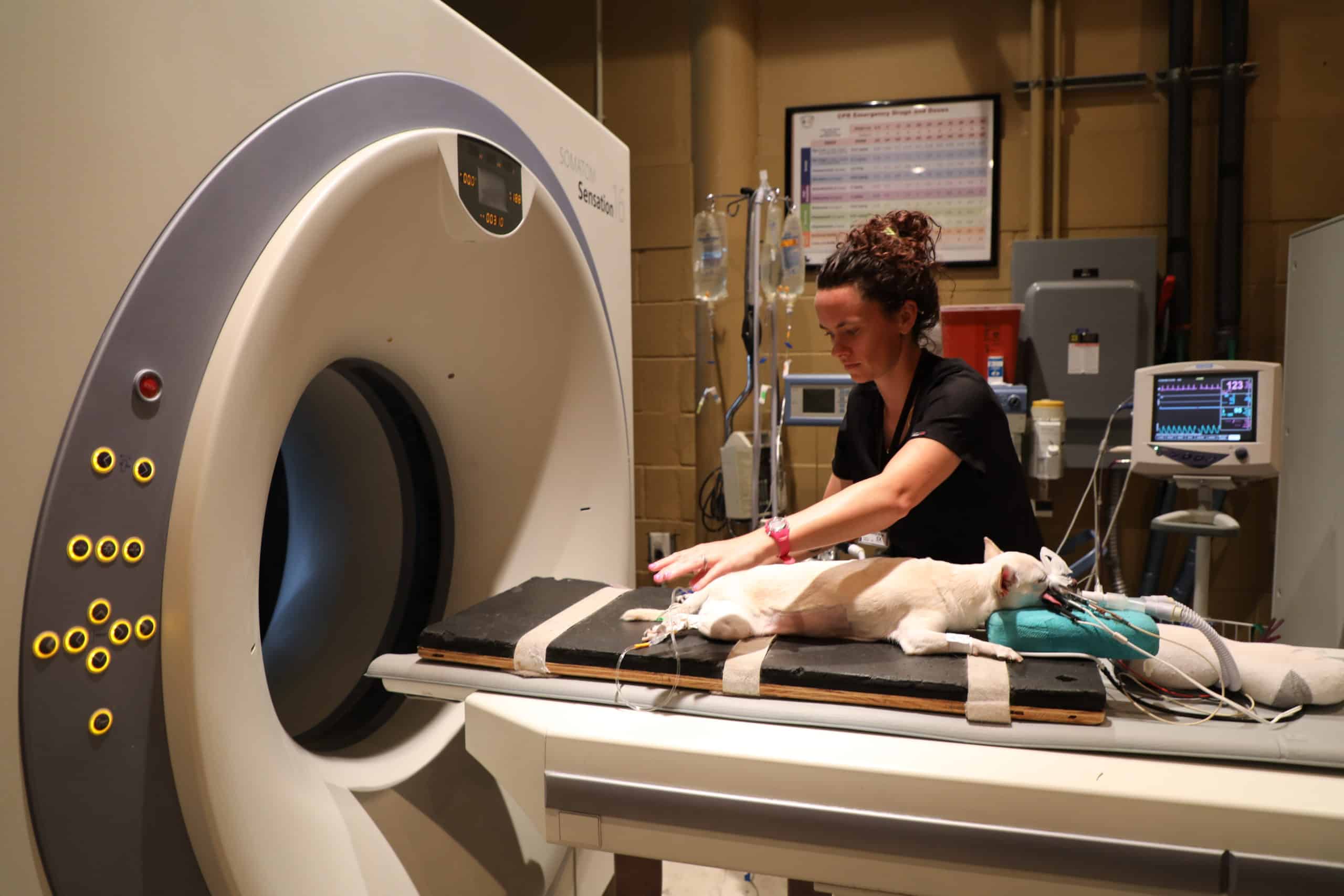
The animal is placed inside a cylindrical scanner, and the X-ray tube rotates around them, emitting a series of narrow beams. Detectors on the opposite side of the scanner measure the intensity of the X-rays that pass through the animal’s body. These measurements are used to calculate the density of different tissues, which are then represented as different shades of gray in the resulting images. The computer reconstructs these slices into a detailed 3D image, allowing veterinarians to view internal structures from various angles.
Differences from Traditional X-rays
Traditional X-rays provide a single, flat image, which can obscure overlapping structures. CT scans, on the other hand, offer multiple cross-sectional images, eliminating the problem of overlapping and providing a much more comprehensive view. This increased detail is particularly valuable for diagnosing complex conditions and planning surgical procedures.
Applications of CT Scans in Veterinary Medicine
CT scans are used in a variety of veterinary applications, including:
Diagnosing Bone and Joint Disorders
CT scans are highly effective in identifying fractures, dislocations, and other bone abnormalities. They can also detect subtle changes in bone structure that may be missed by traditional X-rays. This is crucial for diagnosing conditions like arthritis, bone tumors, and developmental abnormalities.
Detecting Tumors and Cancer
CT scans are essential for detecting and staging tumors in various parts of the body. They can help determine the size, location, and spread of tumors, which is vital for planning treatment strategies. This is particularly useful for detecting tumors in the chest, abdomen, and brain.
Identifying Internal Organ Abnormalities
CT scans can reveal abnormalities in internal organs, such as the liver, kidneys, spleen, and lungs. They can detect conditions like kidney stones, liver tumors, and lung diseases with high accuracy. This is especially useful in cases where other diagnostic methods are inconclusive.
Planning Surgical Procedures
The detailed images provided by CT scans are invaluable for surgical planning. They allow surgeons to visualize the anatomy of the surgical site in detail, which can help minimize complications and improve outcomes. This is particularly important for complex surgeries, such as those involving the brain, spine, or chest.
Diagnosing Neurological Disorders
CT scans can be used to diagnose neurological disorders, such as brain tumors, strokes, and spinal cord injuries. They can provide detailed images of the brain and spinal cord, allowing veterinarians to identify abnormalities that may be causing neurological symptoms.
Dental Imaging
Specialized CT scans, known as cone-beam CT, are used for dental imaging in animals. They provide detailed 3D images of the teeth and jaw, which can help diagnose dental problems such as impacted teeth, abscesses, and tumors.
The CT Scan Procedure
The CT scan procedure typically involves the following steps:
Preparation
Prior to the scan, the animal may need to be sedated or anesthetized to ensure they remain still during the procedure. This is essential for obtaining clear and accurate images. In some cases, a contrast agent may be administered intravenously to enhance the visibility of certain tissues or blood vessels.
Positioning
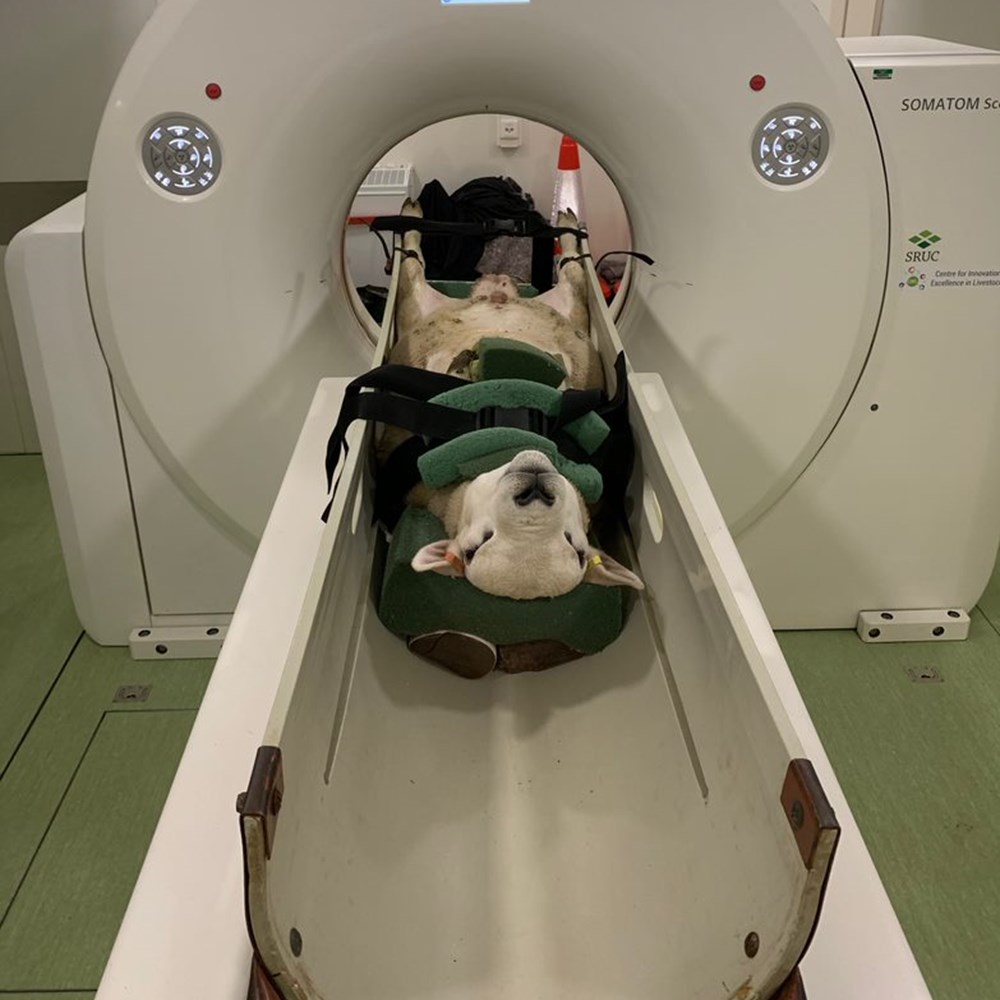
The animal is carefully positioned on the CT table, which slides into the scanner. The table is moved through the scanner as the X-ray tube rotates around the animal.
Scanning
The scanner emits a series of X-ray beams, and the detectors measure the transmitted radiation. The computer processes these measurements to create cross-sectional images.
Image Interpretation
A radiologist or veterinarian specializing in diagnostic imaging interprets the CT images. They analyze the images for abnormalities and provide a report to the referring veterinarian.
Benefits of Animal CT Scans
CT scans offer several advantages over other diagnostic imaging techniques, including:
High Resolution Images
CT scans provide highly detailed images, allowing veterinarians to visualize internal structures with exceptional clarity.
Three-Dimensional Visualization
The ability to create 3D images allows for a comprehensive view of internal anatomy, which is particularly valuable for diagnosing complex conditions.
Rapid Imaging
CT scans can be performed relatively quickly, which is important for animals that may be in pain or distress.
Non-Invasive Procedure
CT scans are non-invasive, meaning they do not require surgery or other invasive procedures.
Accurate Diagnosis
The detailed images provided by CT scans can lead to more accurate diagnoses, which can improve treatment outcomes.
Risks and Limitations
While CT scans are generally safe, there are some potential risks and limitations:
Radiation Exposure
CT scans involve exposure to ionizing radiation, which can increase the risk of cancer. However, the benefits of the scan usually outweigh the risks.
Anesthesia
Most animals require sedation or anesthesia for CT scans, which carries some risks. However, modern anesthetic techniques are generally safe.
Cost
CT scans can be expensive, which may limit their accessibility for some pet owners.
Availability
CT scanners may not be available at all veterinary clinics, particularly in rural areas.
The Future of Animal CT Scans
The field of veterinary CT scanning is constantly evolving, with ongoing advancements in technology and techniques. Future developments may include:
Improved Image Quality
Advances in scanner technology are expected to lead to even higher resolution images, allowing for more detailed visualization of internal structures.
Reduced Radiation Dose
Researchers are working to develop techniques that can reduce the radiation dose required for CT scans, minimizing the risks associated with radiation exposure.
Faster Scanning Times
Faster scanning times can reduce the need for anesthesia and improve patient comfort.
Artificial Intelligence
AI algorithms are being developed to assist in the interpretation of CT images, which can improve diagnostic accuracy and efficiency.
Conclusion
Animal CT scans have become an indispensable tool in veterinary diagnostics, providing detailed insights into the internal structures of animals. Their applications range from diagnosing bone and joint disorders to detecting tumors and planning surgical procedures. While there are some risks and limitations associated with CT scans, the benefits of this advanced imaging technique far outweigh the drawbacks. As technology continues to advance, CT scans are likely to play an even greater role in the future of veterinary medicine, improving the health and well-being of animals.
“`