The Enigmatic Feline: A Deep Dive into the World of the Domestic cat
The domestic cat, Felis catus, a creature of captivating grace and enigmatic independence, has woven itself into the fabric of human society for millennia. More than just a pet, the cat is a companion, a hunter, a source of comfort, and a subject of endless fascination. From ancient Egyptian deities to modern internet memes, the feline’s influence on culture and our hearts is undeniable. This article explores the multifaceted world of the cat, delving into its history, biology, behavior, and the unique bond it shares with humans.
A Journey Through Time: The Cat’s Evolutionary Path
The story of the domestic cat begins not with the fluffy companions we know today, but with their wild ancestor, Felis silvestris lybica, the African wildcat. Archaeological evidence suggests that the domestication process began in the Fertile Crescent, a region rich in early agricultural settlements. As humans began storing grain, they inadvertently attracted rodents, which, in turn, attracted wildcats. These cats, finding a reliable food source and perhaps a degree of tolerance from humans, began to associate with settlements.
The Egyptian Connection: Deification and Companionship
It was in ancient Egypt, however, that the cat truly ascended to a revered status. Depicted in hieroglyphs and sculptures, cats were associated with the goddess Bastet, representing protection, fertility, and home. They were not merely pets but sacred animals, and harming a cat was considered a serious offense. Mummified cats have been discovered in vast numbers, demonstrating the deep respect and affection they held in Egyptian society.
The Spread of the Feline: From Ancient World to Global Companion

From Egypt, cats spread throughout the ancient world, carried by traders and sailors. Their value as rodent controllers made them indispensable on ships and in granaries. The Roman Empire played a significant role in disseminating cats across Europe. While their status fluctuated throughout history, particularly during the Middle Ages, when they were sometimes associated with witchcraft, cats eventually regained their place as cherished companions.
The Biology of the Cat: A Master of Adaptation
The cat’s remarkable adaptability is a testament to its evolutionary success. Its physiology is finely tuned for a life of hunting and agility.
Sensory Superpowers: Seeing, Hearing, and Smelling the World
Cats possess exceptional senses. Their vision, while not as color-rich as humans’, is optimized for low-light conditions, thanks to a high concentration of rod cells in their retinas and a reflective layer called the tapetum lucidum, which enhances light capture. Their hearing is equally impressive, with a wide range of frequencies and the ability to pinpoint the location of sounds with remarkable accuracy. Their sense of smell, crucial for hunting and social communication, is far superior to humans’.
The Agile Hunter: Anatomy and Movement
The cat’s skeletal structure and muscular system are designed for agility and speed. Their flexible spine, powerful hind legs, and retractable claws allow them to leap, climb, and maneuver with grace. Their retractable claws, kept sharp by sheathing them when not in use, are essential for hunting and climbing.
The Purrfect Mystery: Understanding Feline Vocalizations
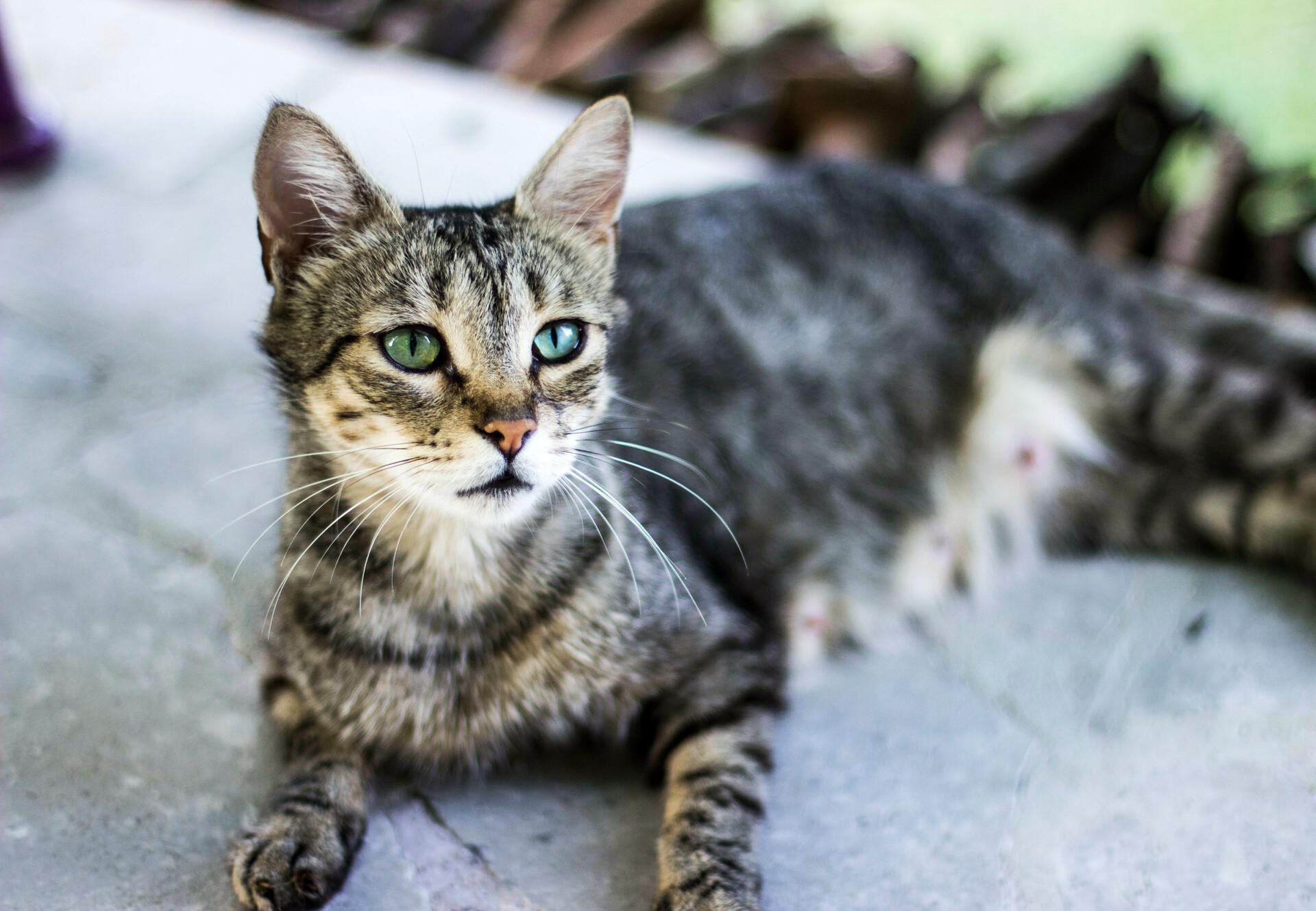
Cats communicate through a variety of vocalizations, including meows, hisses, growls, and purrs. The purr, a low-frequency vibration, is a particularly enigmatic sound. While often associated with contentment, cats also purr when injured or stressed, suggesting that it may have a self-soothing function.
The Behavior of the Cat: A Study in Independence and Affection
Cats are known for their independent nature, but they are also capable of forming deep bonds with their human companions.
Territoriality and Social Structure: Marking Their Domain
Cats are inherently territorial animals, marking their domain with scent through urine spraying, scratching, and cheek rubbing. They have complex social structures, with hierarchies and communication signals. While they may appear aloof, cats are capable of forming strong social bonds with other cats and with humans.
Hunting Instincts: Play and Predation
Even domesticated cats retain their hunting instincts. Play, which often mimics hunting behaviors, is essential for physical and mental stimulation. Cats may stalk, pounce, and chase toys, satisfying their predatory urges.
The Language of the Tail: Decoding Feline Communication
A cat’s tail is a powerful tool for communication. A raised tail often indicates happiness or greeting, while a puffed-up tail signals fear or aggression. The position and movement of the tail provide valuable insights into a cat’s emotional state.
The Human-Cat Bond: A Mutual Understanding
The bond between cats and humans is a unique and complex relationship. Cats provide companionship, comfort, and entertainment, while humans provide food, shelter, and affection. This mutual understanding has evolved over thousands of years, creating a special connection that transcends species.
Caring for the Cat: Ensuring a Happy and Healthy Life
Providing proper care for a cat is essential for its well-being.
Nutrition and Hydration: Fueling the Feline
A balanced diet, appropriate for the cat’s age and activity level, is crucial for maintaining health. Fresh water should always be available.
Grooming and Hygiene: Maintaining a Clean Coat
Regular grooming helps to prevent matting and hairballs, and it provides an opportunity to check for any health issues. Litter box hygiene is also essential for maintaining a clean and healthy environment.
Veterinary Care: Regular Checkups and Vaccinations
Regular veterinary checkups are essential for preventing and detecting health problems. Vaccinations and parasite control are also crucial for maintaining a cat’s health.
Enrichment and Stimulation: Keeping the Mind Active
Providing toys, scratching posts, and opportunities for play helps to keep cats mentally and physically stimulated. Environmental enrichment, such as providing access to windows and climbing structures, can also enhance a cat’s well-being.
The Cat in Culture: From Mythology to Modern Media
Cats have played a significant role in human culture throughout history.
Mythology and Folklore: Gods and Superstitions
From the Egyptian goddess Bastet to the Japanese Maneki-neko, cats have appeared in numerous myths and legends. They have also been associated with superstitions, both positive and negative.
Literature and Art: Inspiring Creativity
Cats have been a source of inspiration for writers, artists, and musicians throughout history. They appear in countless poems, stories, paintings, and sculptures.
The Internet Cat: A Global Phenomenon
In the digital age, cats have become a global phenomenon, captivating audiences with their antics and expressions. Internet memes, videos, and social media accounts dedicated to cats have created a vibrant online community.
The domestic cat, a creature of captivating beauty and enigmatic charm, continues to fascinate and delight humans worldwide. Its history, biology, behavior, and cultural significance make it a truly remarkable animal. The bond between cats and humans, forged over thousands of years, is a testament to the enduring power of companionship and the unique connection we share with these fascinating creatures.