The Furry Frontlines: A Chronicle of the Canine-Feline Conflict
For centuries, a silent war has raged within the very heart of our homes. It’s a conflict not of nations, but of natures; a clash not of steel, but of fur and claw. The battleground? Our living rooms, our kitchens, our very beds. The combatants? The noble canine and the enigmatic feline. This is the story of the dog-cat war, a tale as old as domestication itself.
Communication Breakdown: A Language Barrier
The first and most enduring source of conflict lies in the fundamental differences in communication. A dog’s wagging tail, a sign of joy and friendliness, can be misinterpreted by a cat as aggression. A cat’s slow blink, a gesture of affection, is often lost on a dog, who might perceive it as indifference or even a threat. The canine’s boisterous barks and playful lunges contrast starkly with the feline’s silent stalk and subtle shifts in posture. This linguistic chasm creates a fertile ground for misunderstanding and escalating tensions.
Territorial Imperatives: The Battle for Dominance
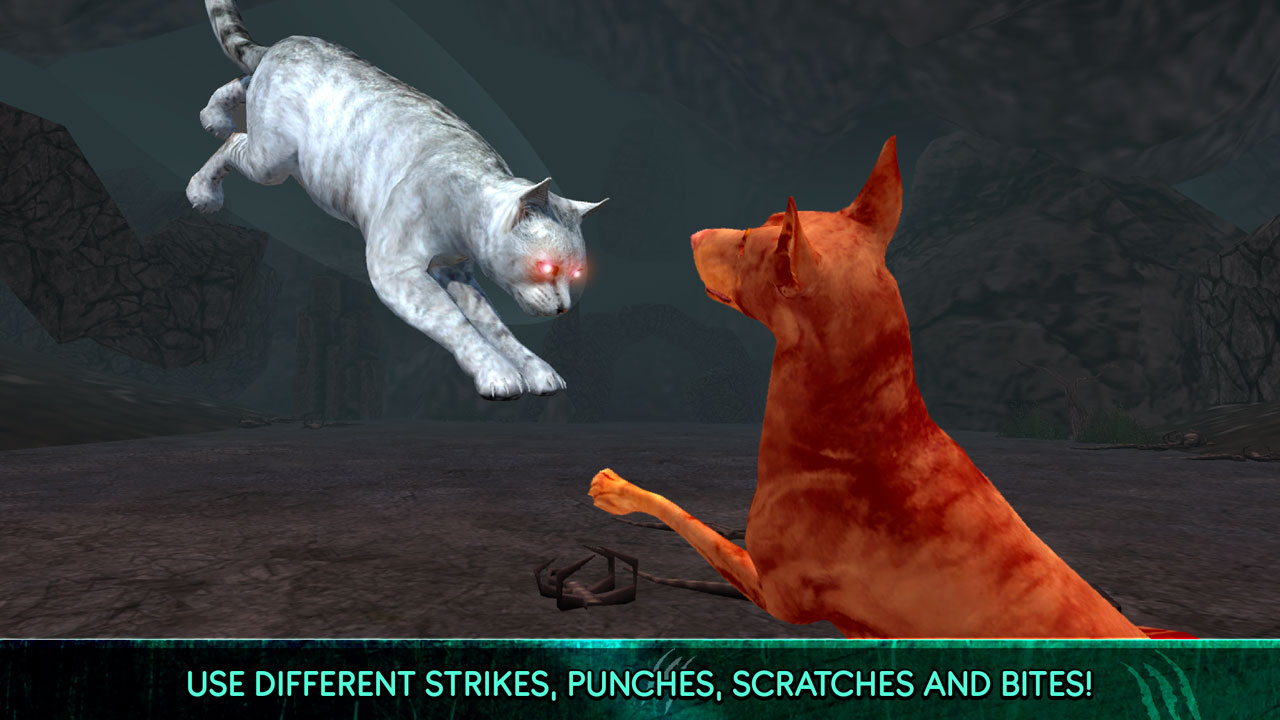
Both dogs and cats are territorial creatures, albeit in different ways. Dogs, descended from pack animals, establish a hierarchical structure within their territory. Cats, solitary hunters by nature, define their territory as a personal domain, a space to be guarded jealously. When these territorial instincts clash, the results can be explosive. A dog’s enthusiastic exploration of a cat’s “safe space” under the bed or on a high shelf is a direct challenge to the feline’s authority, often leading to hissing, swatting, and even full-blown brawls.
Predator vs. Prey: An Inherent Tension
The evolutionary roots of dogs and cats play a significant role in their interactions. Dogs, descended from wolves, retain a strong predatory drive. While domesticated, this instinct can be triggered by the smaller, faster movements of a cat, leading to chasing and even attempts at “playful” hunting. Cats, on the other hand, while predators themselves, are also prey animals, especially when faced with a larger canine adversary. This inherent power imbalance creates a constant undercurrent of tension, with the cat perpetually vigilant and the dog potentially misinterpreting the feline’s fear as a challenge.
The Food Bowl Front: Resource Guarding
One of the most frequent sites of conflict is the food bowl. Dogs, known for their voracious appetites, may attempt to steal food from a cat’s bowl, leading to defensive hissing and swatting. Cats, in turn, may perceive the dog’s presence near their food as a threat, even if the dog has no intention of stealing. This resource guarding instinct can escalate quickly, turning mealtimes into miniature battlefields.
The Litter Box Line: Territorial Disputes
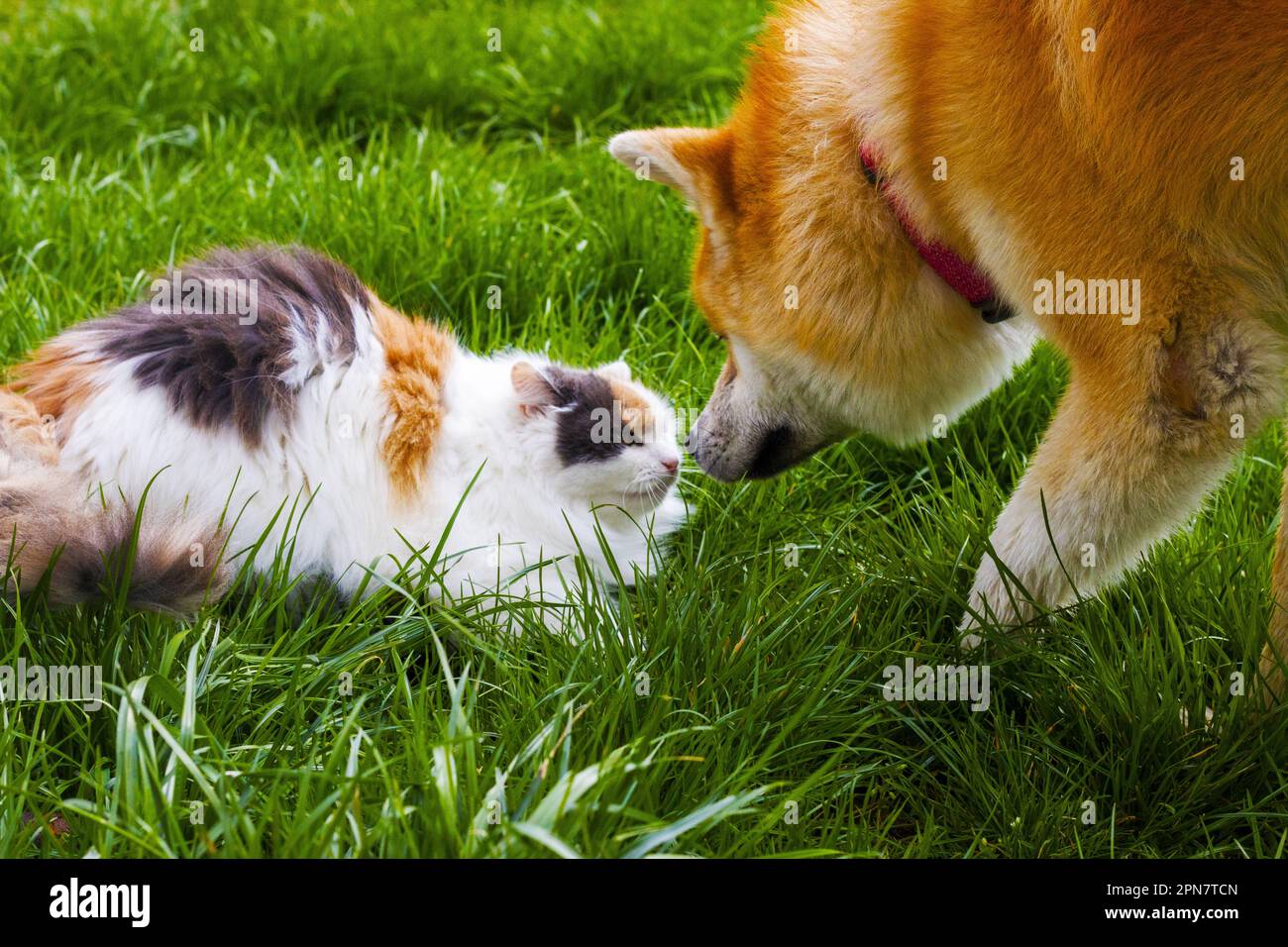
The litter box, a feline sanctuary, can become a point of contention when a curious canine decides to investigate. Dogs, driven by their sense of smell, may be drawn to the litter box, leading to a confrontation with the cat, who views this intrusion as a violation of their personal space. This can result in territorial marking, with both animals attempting to assert their dominance through urine spraying or scratching.
The Sleeping Quarters Skirmish: Bedtime Battles
The bed, a shared space of comfort and relaxation, can become a battleground for dominance. Dogs, eager to cuddle and seek warmth, may unintentionally disturb a cat’s sleep, leading to hissing and swatting. Cats, seeking solitude and a sense of security, may view the dog’s presence as an intrusion. These bedtime skirmishes can disrupt the peace and tranquility of the household.
The Playtime Paradox: Misinterpreted Intentions
Playtime, intended to be a source of joy and bonding, can often turn into a source of conflict. A dog’s boisterous playfulness, involving chasing, nipping, and barking, can be overwhelming and frightening for a cat, who prefers more subtle and controlled interactions. The cat’s attempts to defend themselves from the dog’s enthusiastic advances can be misinterpreted by the dog as aggression, leading to a cycle of escalating tension.
Early Socialization: Laying the Foundation for Peace

The key to peaceful coexistence lies in early socialization. Introducing puppies and kittens to each other at a young age allows them to learn each other’s communication styles and establish a foundation of mutual understanding. Supervised interactions, positive reinforcement, and gradual exposure can help them develop a tolerance and even affection for each other.
Creating Separate Zones: Establishing Safe Havens
Providing separate zones for dogs and cats can help minimize conflict. This includes separate feeding areas, litter boxes, and sleeping spaces. Cats, in particular, benefit from having access to high places, such as shelves or cat trees, where they can observe their surroundings and retreat when feeling threatened.
Managing Mealtimes: Preventing Food Bowl Fights
Feeding dogs and cats in separate rooms or at different times can prevent food bowl conflicts. Elevating the cat’s food bowl can also make it inaccessible to dogs. Providing ample food and water for both animals can reduce competition and resource guarding.
Supervised Interactions: Monitoring Play and Preventing Escalation
Supervising interactions between dogs and cats is essential, especially in the early stages of their relationship. Intervening before a conflict escalates can prevent injuries and reinforce positive interactions. Using positive reinforcement, such as treats and praise, can encourage peaceful behavior.
Understanding Body Language: Decoding the Signals
Learning to recognize the subtle cues of canine and feline body language is crucial for preventing conflict. A cat’s flattened ears, dilated pupils, and arched back are clear signs of fear or aggression. A dog’s stiff posture, raised hackles, and bared teeth indicate a heightened state of arousal. Recognizing these signals early can allow for timely intervention and prevent escalation.
Introducing Scent Swapping: Gradual Familiarization
Before bringing a new animal into the house, introduce their scent to the existing pet. This can be done by swapping blankets or toys. This allows the animals to become familiar with each other’s scent before a face-to-face meeting, reducing the element of surprise and potential conflict.
Professional Help: When Mediation is Necessary
In cases of severe conflict, seeking professional help from a veterinarian or a certified animal behaviorist may be necessary. These professionals can provide guidance on managing conflict, addressing underlying behavioral issues, and fostering a harmonious multi-species household.
While the dog-cat war may be a constant undercurrent in multi-species households, it is not an insurmountable obstacle. With patience, understanding, and consistent effort, dogs and cats can learn to coexist peacefully, and even form deep bonds of affection. The rewards of a harmonious multi-species household are immeasurable, bringing joy, companionship, and a unique dynamic to our lives. The journey to peace may be fraught with skirmishes and misunderstandings, but the ultimate prize – a home filled with the love and laughter of both canine and feline companions – is well worth the effort.